



Electric car repair and maintenance
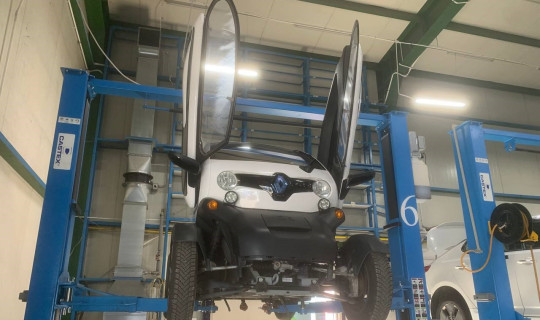
Problem: The electric car was fully charged but wouldn't start—the power battery's relay-contactor had jammed
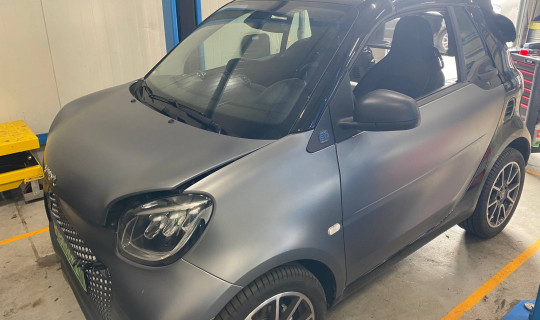
Problem: The electric vehicle was unable to charge its high-voltage battery. When the charger was connected, the charging session did not start, and diagnostics indicated a malfunction in the power electronics. Additionally, during the inspection, a loose positive terminal was discovered.
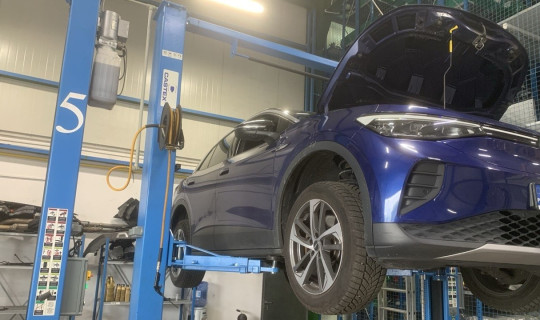
Problem: After purchasing a Volkswagen ID.4, a high-voltage battery error appeared on the dashboard, and the dealer estimated the repair cost at over 10,000 euros.
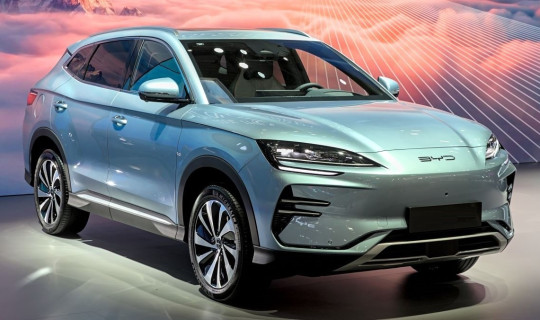
Problem: The BYD Song Plus's built-in eSIM was locked to a Chinese carrier and did not provide mobile service in Europe
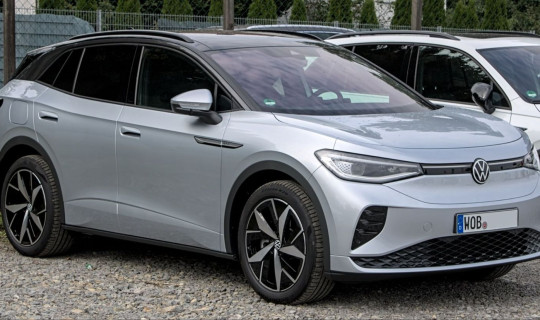
Problem: The owner of the Chinese version of the Volkswagen ID.4 faced a major limitation in Europe—the non-standard charging port and single-phase charging system made the car difficult to use and rendered travel inconvenient and unreliable
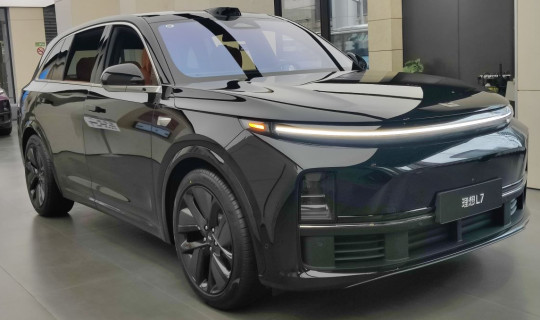
Problem: The owner of a Li Auto L7 hybrid vehicle imported from China was unable to connect the car’s factory-installed multimedia system to the internet in Europe using the factory-installed Chinese eSIM. This negatively affected the performance of the navigation system and online services and prevented software updates.
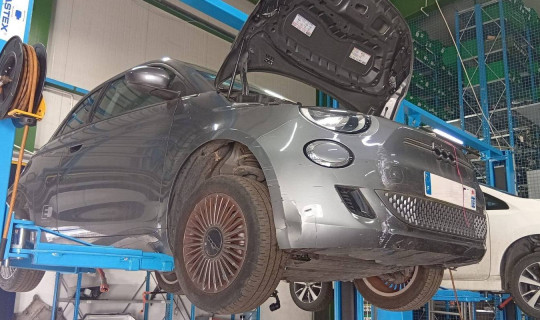
Problem: The 2022 Fiat 500e (2020) electric car was purchased at an auction in France and transported to the STS workshop in Warsaw by tow truck. The reason was a completely discharged high-voltage battery, causing the battery management system (BMS) to enter deep protection mode and the vehicle to stop accepting a charge. The situation was complicated by a critical BMS error caused by the deep discharge. As a result, the electric vehicle would not start, and standard software recovery procedures were ineffective.
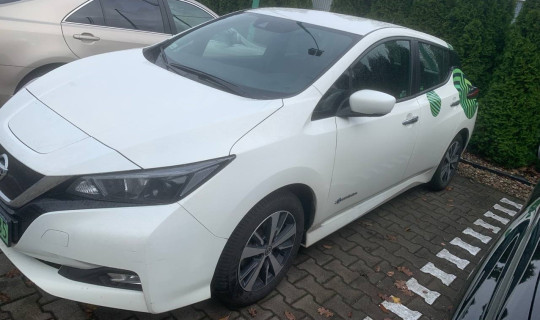
Problem: The owner of a second-generation Nissan Leaf contacted STS.Electro with a complaint: the car only charges from a fast charging station, but does not accept a slow charging gun (Type 1).
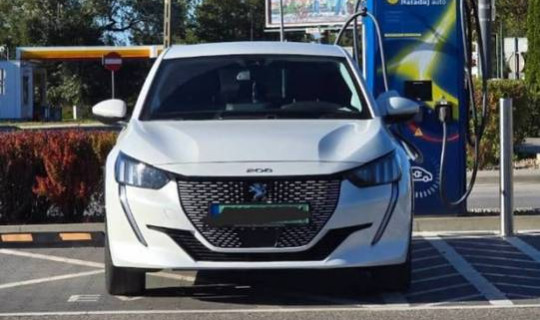
Problem: We were contacted by the owner of a Peugeot e-208 electric car. After charging to almost 100%, the electric car stopped accepting a charge, and the system displayed a second-level overvoltage error.
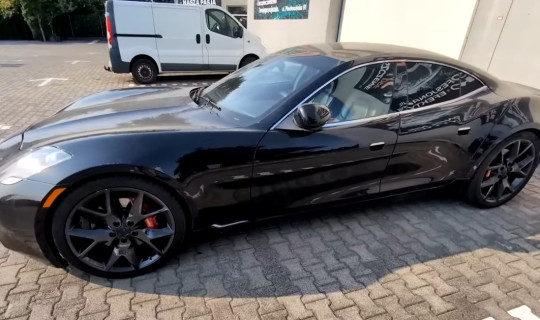
Problem: The owner of a Karma Revero hybrid was unable to drive his car for over eight months: the engine would only start for a few minutes at a time, and the battery would not charge.
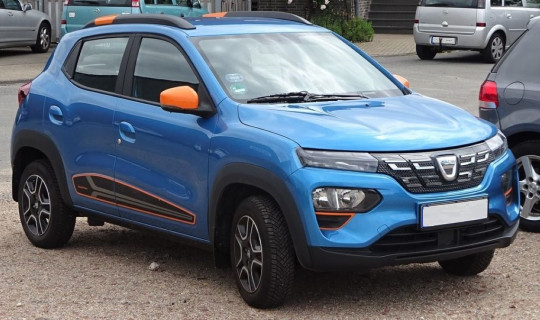
Problem: The Dacia Spring car would not start or charge due to a reversed battery polarity and a faulty DC/DC+charger unit.
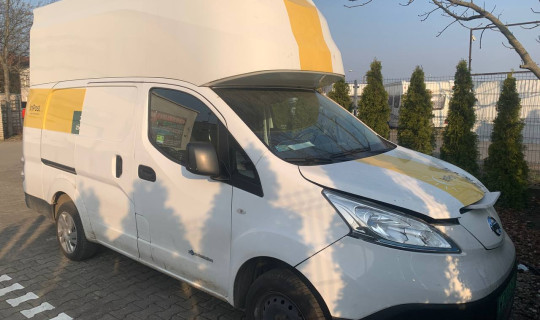
Problem: A well-known logistics service provider brought in three electric vans for repair after their high-voltage batteries failed. In one of them, the battery was dismantled.
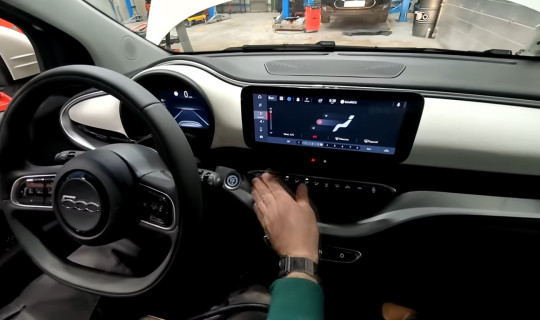
Problem: The high-voltage battery is discharged and cannot be charged. The car does not accept a charge because the electronics do not recognize the connection of the charging gun.
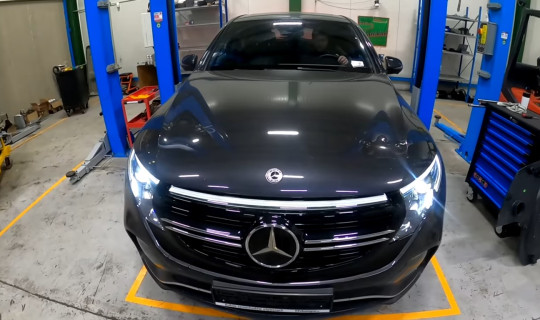
Problem: A sharp drop in driving range and the vehicle switching to emergency mode with reduced power (“turtle mode”).

Problem: The problem with the car was the incompatibility of the Chinese GB/T standard charging system with European charging stations. This created difficulties for the owner of the Audi Q4 e-tron, since the car, produced for the Chinese market, could not charge at European stations with the required speed and reliability.