



Portfolio
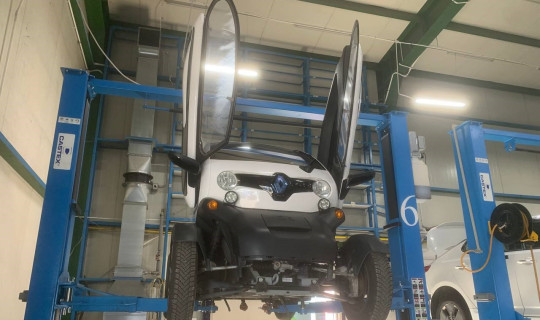
Problem: The electric car was fully charged but wouldn't start—the power battery's relay-contactor had jammed
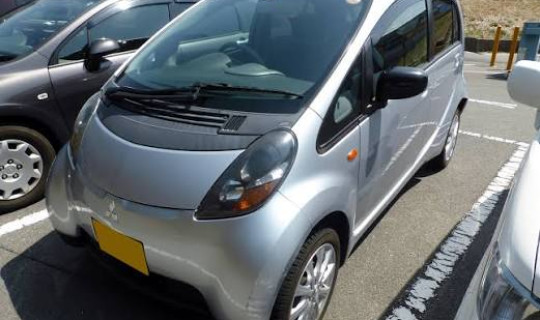
Problem: The car stopped charging the 12-volt battery and entering READY mode. The new power fuse blew immediately after installation. I also had to program the key fob.
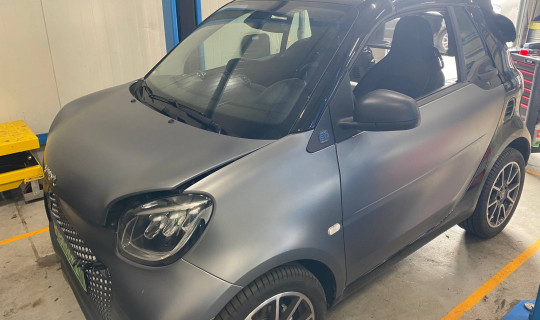
Problem: The electric vehicle was unable to charge its high-voltage battery. When the charger was connected, the charging session did not start, and diagnostics indicated a malfunction in the power electronics. Additionally, during the inspection, a loose positive terminal was discovered.
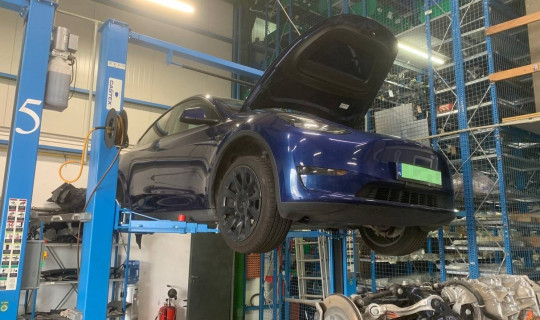
Problem: A 2020 Tesla Model 3 from the U.S. had a damaged subframe following an accident and was equipped with the American NACS charging system, which is incompatible with standard European charging.
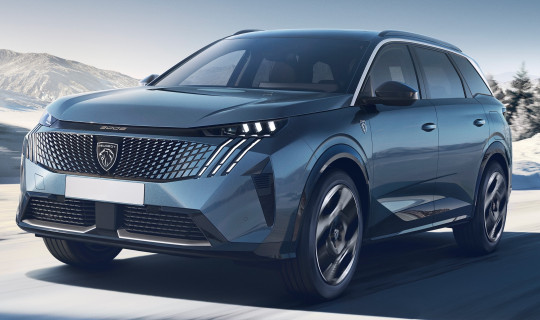
Problem: An error occurred in the 48V hybrid system. Due to a defect in the power wiring and critical overheating, the 48V power wire burned out and the high-voltage battery casing melted.
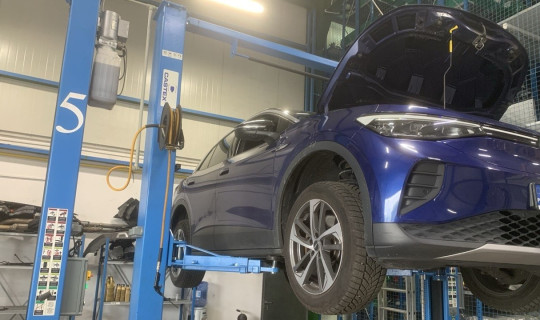
Problem: After purchasing a Volkswagen ID.4, a high-voltage battery error appeared on the dashboard, and the dealer estimated the repair cost at over 10,000 euros.
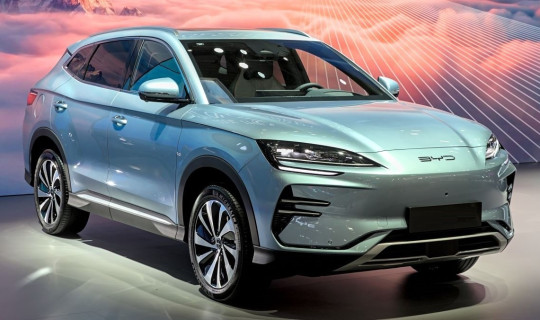
Problem: The BYD Song Plus's built-in eSIM was locked to a Chinese carrier and did not provide mobile service in Europe
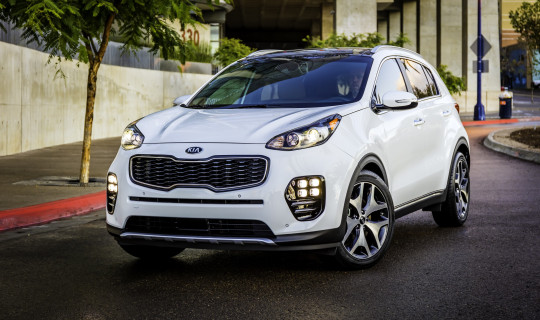
Problem: An official Kia/Hyundai dealer in Warsaw brought a 2017 Kia Sportage (QLE, ~100,000 km) to STS Warsawa; when the steering wheel was turned all the way, the wheels were rubbing against the suspension arms, and diagnostics indicated that the electric power steering (EPS) rack was overheating due to excessive resistance. The dealer’s previous attempts—replacing the tie rod ends and visiting other service centers—had been unsuccessful.
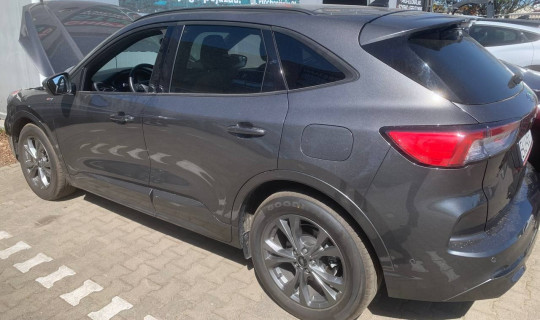
Problem: The owner of a Ford Kuga mild hybrid noticed a "yellow key" icon suddenly appear on the dashboard and found that the battery was completely dead. A preliminary diagnosis at another service center failed to identify the cause, rendering the car inoperable and threatening costly replacement of high-voltage system components.
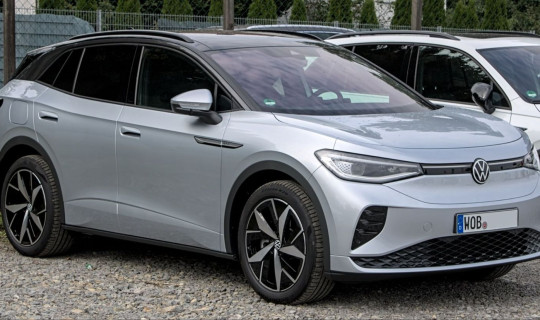
Problem: The owner of the Chinese version of the Volkswagen ID.4 faced a major limitation in Europe—the non-standard charging port and single-phase charging system made the car difficult to use and rendered travel inconvenient and unreliable
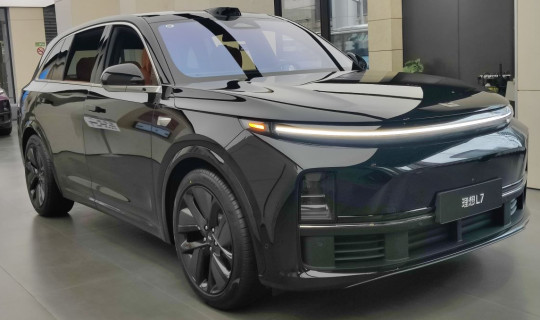
Problem: The owner of a Li Auto L7 hybrid vehicle imported from China was unable to connect the car’s factory-installed multimedia system to the internet in Europe using the factory-installed Chinese eSIM. This negatively affected the performance of the navigation system and online services and prevented software updates.
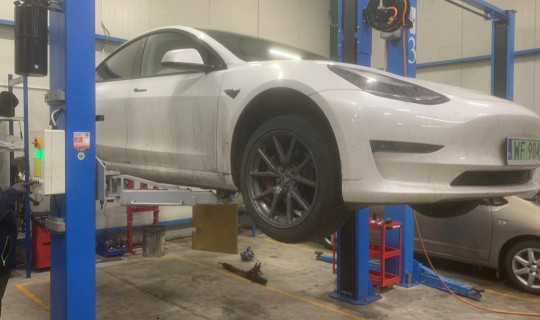
Problem: The Tesla Model 3 was in limp mode, displaying the message “Drive system requires service” and limiting the speed to 103 km/h. The on-board diagnostics did not indicate a clear cause for the malfunction.
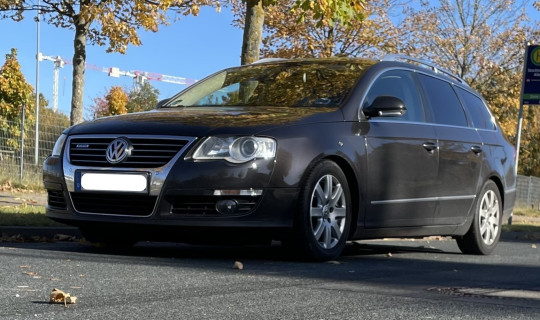
Problem: The owner of a 2006 Volkswagen Passat Variant contacted STS (Warsaw) after the car had completely stopped starting. The steering column was locked, the engine would not start, and it was impossible to perform a full computer diagnostic. The car literally had to be carried into the repair bay by hand.
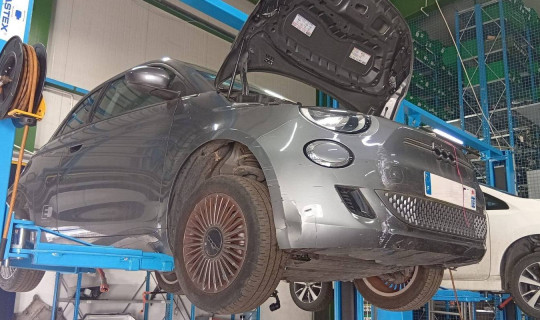
Problem: The 2022 Fiat 500e (2020) electric car was purchased at an auction in France and transported to the STS workshop in Warsaw by tow truck. The reason was a completely discharged high-voltage battery, causing the battery management system (BMS) to enter deep protection mode and the vehicle to stop accepting a charge. The situation was complicated by a critical BMS error caused by the deep discharge. As a result, the electric vehicle would not start, and standard software recovery procedures were ineffective.
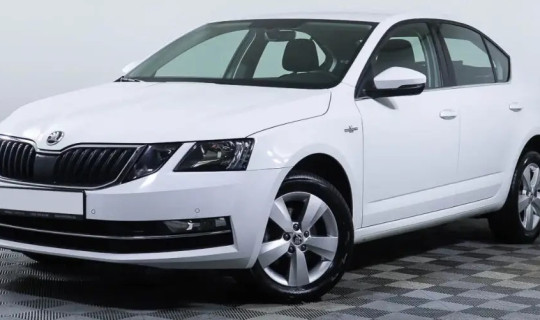
Problem: The owner of a Skoda Octavia A7 2.0 TFSI 16V contacted STS (Warsaw) again with complaints about the incorrect operation of the electric steering rack, which had previously been repaired by our company. After approximately 28,900 km of mileage since the repair, the unit lost its power, extraneous noises appeared, and the steering feel changed. The customer considered the case to be covered by warranty.