

Symptoms of a faulty lambda sensor - a complete repair guide
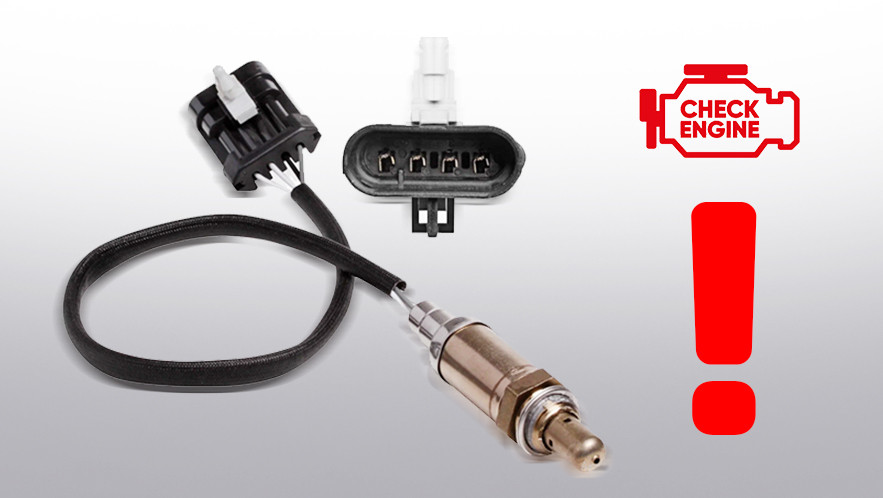
The first symptoms of a faulty lambda sensor are often subtle, but deviations in its operation can quickly affect the condition of the engine, fuel consumption, and overall performance of the power unit. A signal from a faulty lambda sensor leads to incorrect fuel supply corrections, i.e., increased fuel consumption and dangerous emissions into the atmosphere.
Structure and features of the lambda sensor
An oxygen sensor is an electrochemical element that measures the oxygen content in exhaust gases and transmits the information to the control unit. Its principle of operation is based on comparing the O2 content in the exhaust and atmospheric air: this is how the electronics determine whether the mixture is too lean or too rich.
The number of sensors depends on the environmental standard of the car:
- Euro 2-3: one sensor at the front of the exhaust system, usually located in front of the catalytic converter;
- Euro 4-6: two sensors — before and after the catalytic converter. The first regulates the composition of the mixture, the second monitors the condition of the catalytic converter or DPF.
Lambda probes are mostly equipped with a heating system, which allows them to reach operating temperature faster and ensure correct operation of the sensor from the very first minutes.
The second sensor is largely dependent on the condition of the catalytic converter or particulate filter: damage to the ceramic can cause clogging, incorrect readings, and subsequent errors. Therefore, if any symptoms occur, it is always important to assess both the condition of the neutralizer and the sensor itself.
Signs of a faulty lambda probe
Problems with the oxygen sensor can manifest themselves in different ways - in the form of unstable operation, a drop in power, or simply the appearance of errors on the instrument panel.
Faulty lambda probe - symptoms:
- Excessive fuel consumption.
- Unstable engine operation at idle and under load.
- The Check Engine light and/or exhaust system indicator light is illuminated on the dashboard.
- The car's dynamics and response to the gas pedal deteriorate.
- There are drops in traction during acceleration.
- There is a smell of fuel in the exhaust.
- Detonation or unstable ignition occurs.
- The engine starts to “float” in warm-up mode.
If these symptoms appear, it is recommended to immediately perform diagnostics to avoid further complications.
Why does the lambda sensor fail?
A malfunction of the lambda sensor can be caused by both external factors and internal wear. The performance of the oxygen sensor is significantly affected by the quality of the fuel, the condition of the ignition system, and the tightness of the exhaust system.
The most common causes are:
- Wear of the sensor's heating element due to prolonged exposure to high temperatures in the exhaust system.
- Contamination with oil, antifreeze, or products of incomplete fuel combustion.
- Use of low-quality fuel or additives.
- Mechanical damage to the sensor housing.
- Faulty electrical connections, affecting signal stability.
- Engine problems causing premature damage to the catalytic converter.
- Air leakage in front of the sensor, which disrupts the principle of oxygen content measurement.
Checking the lambda probe
To understand which symptoms of a faulty lambda probe indicate the need for repair, it is important to perform a correct diagnosis. The driver can perform a basic check on their own, but only a professional diagnostic inspection will give a complete picture.
Independent sensor check
A preliminary assessment allows you to understand whether the signs that indicate a malfunction are present. Before inspection, the engine must be warmed up to operating temperature.
The driver can check:
- The presence of breaks or damaged wires.
- The condition of the connectors and the absence of corrosion.
- Visual inspection for external defects in the housing that impair the condition of the sensor.
- On-board computer readings for mixture fluctuations (too lean or too rich).
Professional diagnostics at a car service center
At the STS workshop in Warsaw, we use professional equipment to comprehensively check the operation of the sensor and the entire fuel supply control system. During diagnostics, the mechanic checks the correct operation of the heating element, the speed of the sensor's response to changes in the exhaust composition, and analyzes the mixture fluctuation graphs.
Cost of replacing an oxygen sensor
The cost includes the price of the sensor itself, installation, and additional services if necessary. At STS, the customer receives an official warranty on labor and parts.
| Service | Approximate price (PLN) |
| Lambda probe diagnostics | 120-180 |
| Lambda sensor replacement (labor) | 150-250 |
| Lambda sensor (original part) | 300-700 |
| Lambda sensor (high-quality equivalent) | 180-350 |
These are approximate repair costs for standard complexity cases. Only a mechanic can provide exact figures during diagnostics.
Consequences of driving with a faulty lambda probe
Prolonged operation of a car with a defective oxygen concentration sensor can lead to significant problems. Untimely detection of a malfunction in this part can cause further complications.
What can happen:
- Increased load on the catalytic converter and its premature damage.
- Significant drop in power unit efficiency.
- Incorrect fuel-air mixture composition in all modes.
- Risk of engine overheating with a rich mixture.
- A sharp increase in fuel consumption.
- Violation of environmental standards due to an increase in harmful emissions.
Ignoring these consequences can lead to serious financial costs, so the defect must be repaired as soon as possible.
It may happen that not only internal combustion engines can seize up, but also electric motors in electric cars and hybrids. The STS workshop will help you deal with the problem, diagnose and repair the electric motor.
Ways to extend the service life of the sensor
The lambda probe operates in difficult conditions of high temperatures, but proper operation can significantly extend the service life of this component.
Recommendations:
- Use high-quality fuel and avoid questionable gas stations.
- Regularly check the exhaust system for leaks.
- Do not ignore errors related to the operation of lambda probes.
- Replace spark plugs and ignition system components in a timely manner.
- Make sure there are no leaks of engine oil or antifreeze in the exhaust.
- Check the sensors located before and after the catalytic converter during scheduled maintenance.
- Perform diagnostics at the first signs of engine malfunction.
Following these rules significantly reduces the number of malfunctions and ensures the proper operation of the entire fuel system.
Myths about lambda probes
The complexity and demanding nature of these devices often cause drivers to have misconceptions about how they work and their role. To avoid mistakes during repairs, it is important to understand which of these misconceptions are true and which are false.
| Myth | Reality |
| The lambda sensor only affects the environmental friendliness of the exhaust. | In fact, it regulates the operation of the entire injection system. |
| The sensor can be cleaned and will work like new. | Cleaning rarely works; replacement is often necessary. |
| If the car is running, the sensor is working. | Most malfunctions are not noticeable without diagnostics. |
| Replacing the sensor always solves all engine problems. | The sensor is often only a symptom of other malfunctions. |
We hope this information will help you avoid unfounded expectations and make the right decisions about repairs.
If your car shows the first signs of a sensor defect or you need to determine the exact cause of unstable engine performance, the STS service in Warsaw will perform accurate diagnostics and high-quality replacement. We work with all car brands and guarantee a professional approach in every case.