



Ford Kuga MHEV does not charge the battery: diagnostics and repair of the 48V system
FORD Kuga
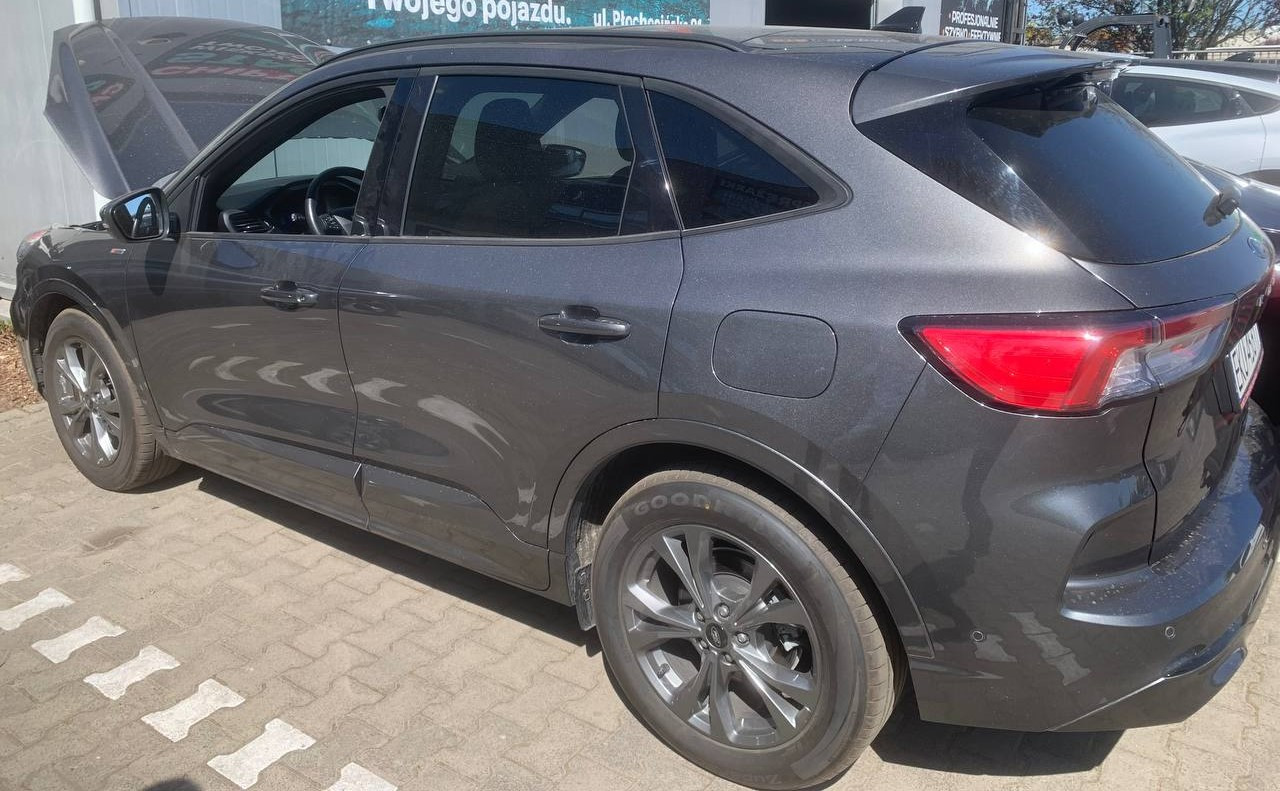
Modern mild hybrids (MHEVs) are a triumph of technology, but at the same time a challenge for conventional service centers. A 2021 Ford Kuga 2.0TDCI with 70,000 km on the odometer fell victim to a “phantom” error: in the morning, the owner started the car, saw a warning on the dashboard, and the charge simply disappeared.
Despite the fact that the owner lives in another region of Poland, STS.Electro’s reputation as a service that solves “unsolvable” problems prompted him to call a tow truck and travel 150 km to our workshop. The customer knew: here, they don’t just “reset error codes,” they understand the physics of the processes.
Error codes P0A08, P0A94, and U3003 – what do they mean?
The diagnostic scanner report yielded an alarming list of codes that effectively indicated the power management system was paralyzed:
- P0A08:00-28 - Open circuit in the DC/DC converter.
- P0A94:16-AF - Malfunction in the DC/DC converter’s operating characteristics.
- U3003:62-2E - Battery voltage issue (low power level).
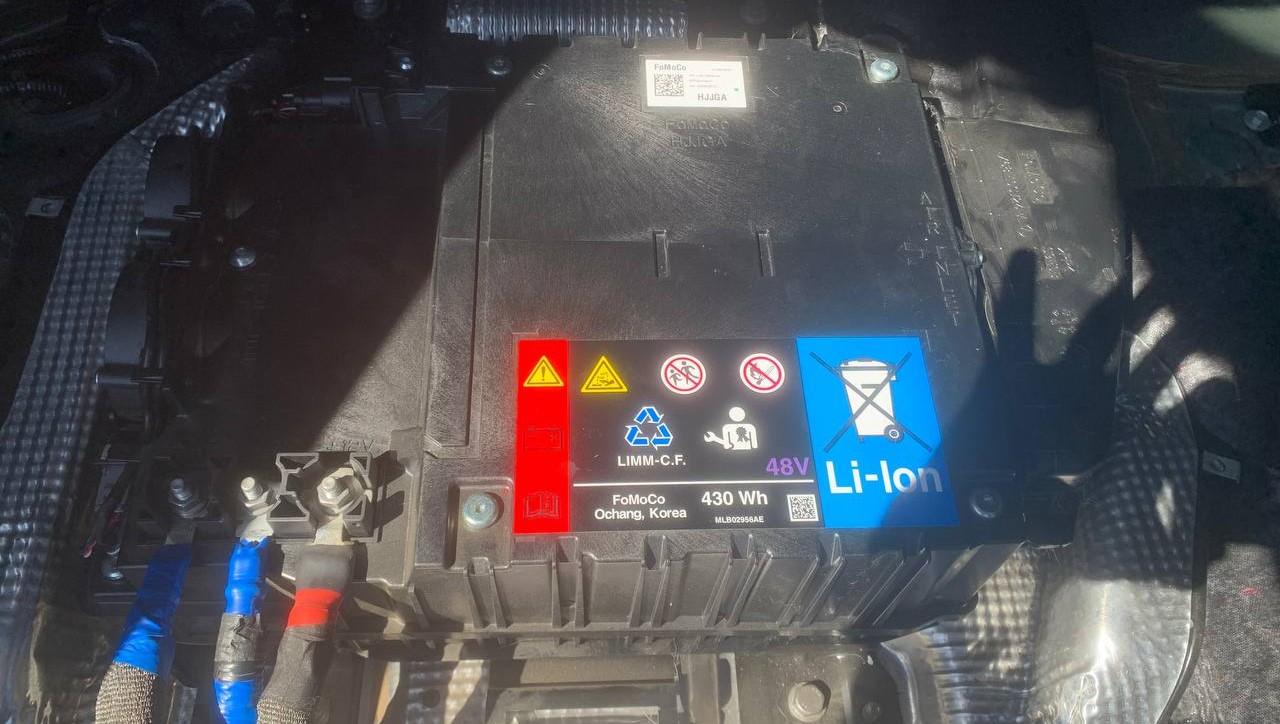
The focus of attention was the high-voltage battery (battery pack) LX68-10B759-HK (FoMoCo). For most service centers, such errors usually spell the end for the entire unit. However, the ingenuity of the STS.Electro technicians works differently: we don’t look for what to replace; we look for what to restore.
Technical Solution: Ingenuity vs. Routine Replacements
Our electronics engineers know that the MHEV system in the Ford Kuga and other “mild” hybrids is highly dependent on the stability of the 12-volt network, which initiates the operation of high-voltage components.
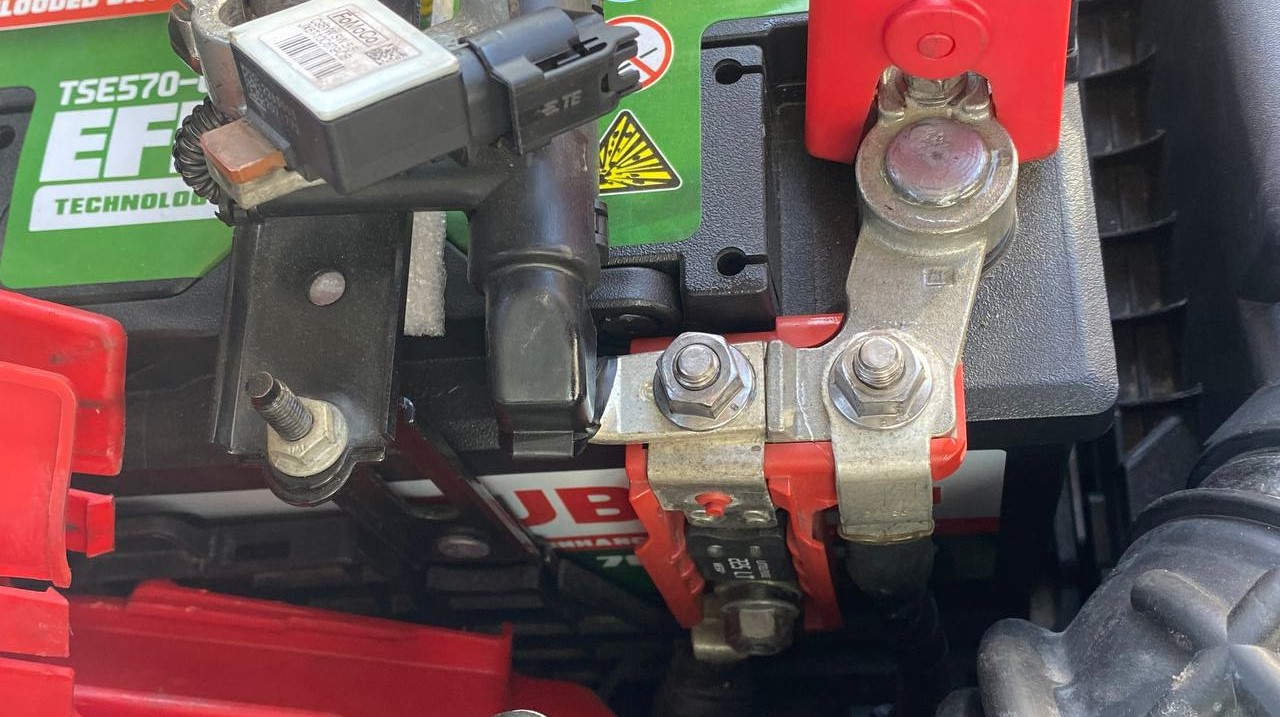
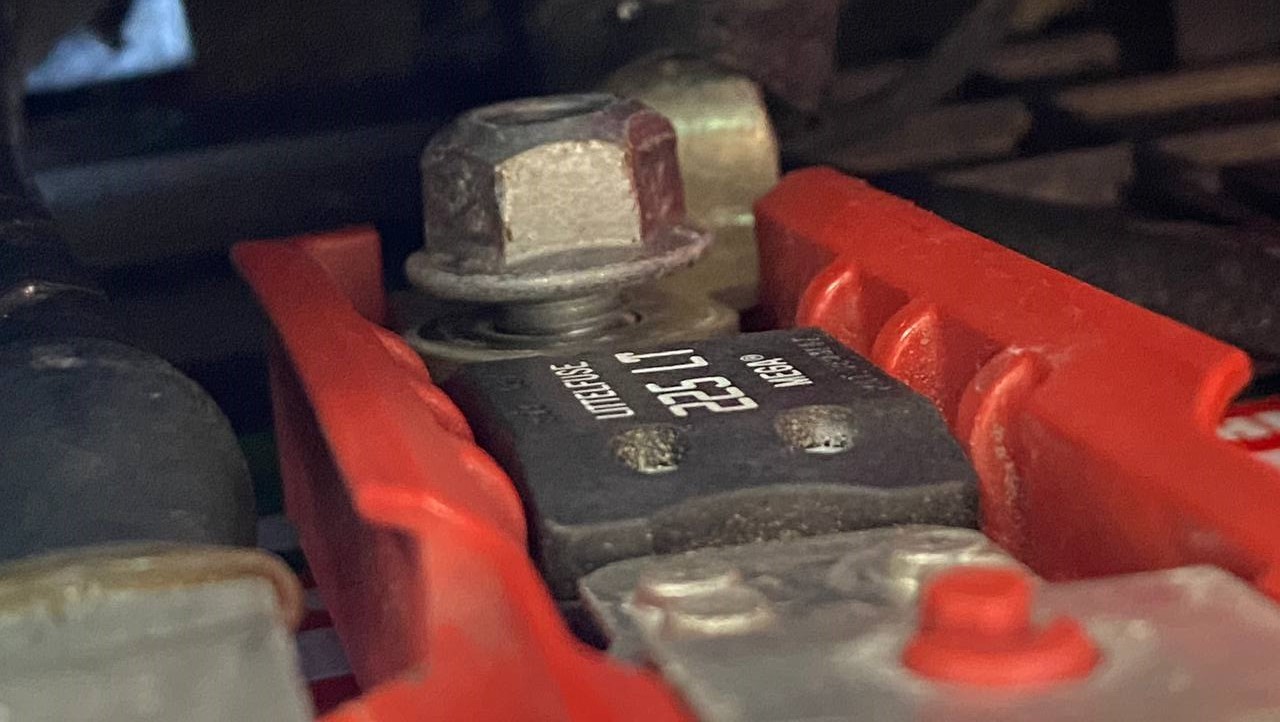
During a thorough inspection, a subtle problem was discovered—a critical voltage drop caused by oxidation of the power contacts and a lack of a reliable connection at the 12V battery terminals. This created "digital noise" that the system interpreted as an internal malfunction of the DC/DC converter inside the battery.
The repair protocol included:
- A complete overhaul of the power lines: Cleaning and treating all contact groups responsible for the converter’s power supply.
- BECM module diagnostics: Checking charge control parameters after power restoration.
- Resetting adaptations: Software-based clearing of "phantom" fault records from the modules' memory.
- Final stress test: Verification of system operation in regenerative and under-load modes.
STS.Electro: A Second Life for High-Voltage Batteries
This time, the customer was lucky—the problem was “on the surface.” Although, in reality, he couldn’t help but be lucky by contacting us, because STS.Electro handles the full spectrum of maintenance for such vehicles—specifically the professional restoration of high-voltage batteries (HVBs) for both electric and hybrid vehicles, including MHEVs, as well as 48V starter-generators.
Even if diagnostics confirm an internal battery malfunction, we don’t immediately send the customer off to buy a new unit; instead, we try to resolve the issue using other methods available to us. In our workshop, we have the equipment and expertise for:
- Per-cell diagnostics and replacement of defective cells.
- Cell balancing and capacity regeneration.
- Repairing internal controllers and battery cooling systems.
We save units where official dealers offer only expensive replacements.
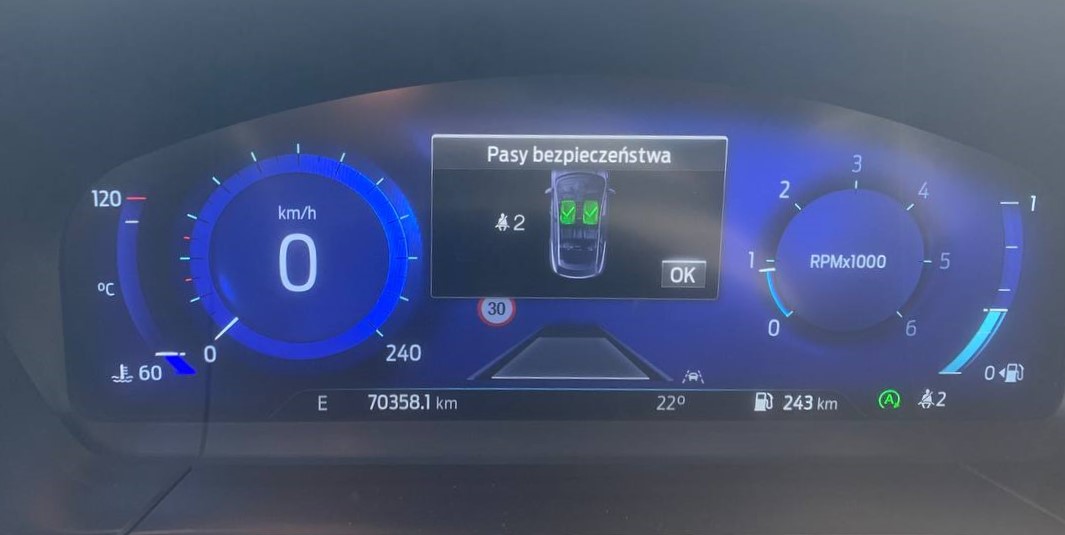
Result: A problem that seemed insurmountable was solved in a single business day. The owner of a Ford Kuga received a fully functional car without exorbitant costs for parts. This proves once again: the professionalism and ingenuity of STS.Electro specialists are the best guarantee of reliable operation for your hybrid or electric vehicle.
Having issues with your hybrid system or charging? Don’t jump to conclusions—come to STS.Electro. We know how to bring your car back to life!