

Software deactivation of the EVAP fuel tank ventilation system: what you need to know
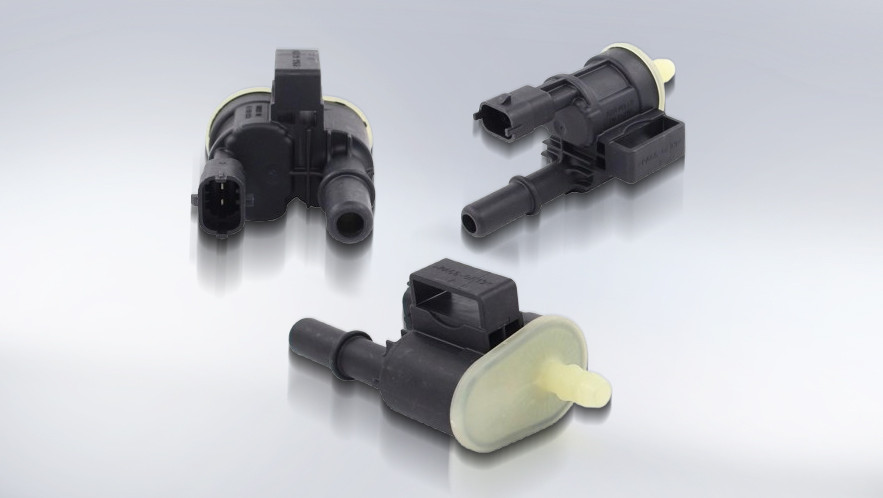
When the fuel tank ventilation system starts to malfunction, it can cause errors that interfere with stable engine operation and affect fuel quality. In such cases, the right solution is to contact specialists who can correctly perform EVAP software removal without risk to the car and without voiding its warranty.
When to consult a specialist
There are several situations that signal that there is a problem with the fuel tank ventilation system and that it is worth entrusting your car to professionals. The main signs are as follows:
| Sign | What is happening | Consequences |
| Constant errors in the electronic control unit | The system reads incorrect data | Loss of engine stability |
| Smell of petrol in the cabin or near the car | The fuel tank is not airtight | May cause leaks and danger |
| Poor start-up quality | Loss of pressure in the system | Engine takes longer than a minute to start |
| Unstable revs | Ventilation not working properly | Problem with fuel economy and vapour emissions control |
If you notice at least one of these symptoms, don't delay: a faulty system can quickly lead to additional costs and reduced comfort while driving.
How EVAP system diagnostics are performed
Before performing any intervention, specialists must conduct a full diagnosis. This helps to determine whether a software shutdown is necessary or whether the problem can be solved in another way. The stages of diagnosis usually include:
- Checking for existing errors in the control unit.
- Visual inspection of the fuel tank and lines.
- Assessment of the operation of valves and electrical connections.
- Testing the pressure level to prevent leaks.
- Analysis of whether it is worth repairing the system or whether a software shutdown is appropriate.
Such a comprehensive inspection does not take much time, but it allows you to get a complete picture of the condition of the car and make the right decision.
The process of EVAP software shutdown
Once diagnostics have confirmed that software deactivation is the best option, the work is carried out in stages. The process usually looks like this:
- Connecting diagnostic equipment to the car's system.
- Reading and saving the current control unit settings.
- Making software changes to deactivate the vapour emission control function.
- Checking for errors after the procedure.
- Test starting the engine to check for stable operation.
As a result, the car runs smoothly, and the owner can be confident that the system will not cause any further problems or affect the quality of driving.
Conclusion
Software deactivation of EVAP is a sensible solution in cases where the system is not performing its functions and is causing constant problems. The right approach allows you to prevent additional problems, maintain the reliability of the car and get rid of unnecessary repair costs.
If you are looking for a reliable and professional performance of this procedure, contact STS. Our specialists guarantee the quality of work, safety and maximum comfort of your car.