


2021 Tesla Model Y: Replacing the FC Contactor and Restoring Charging Port Functionality
TESLA Model Y
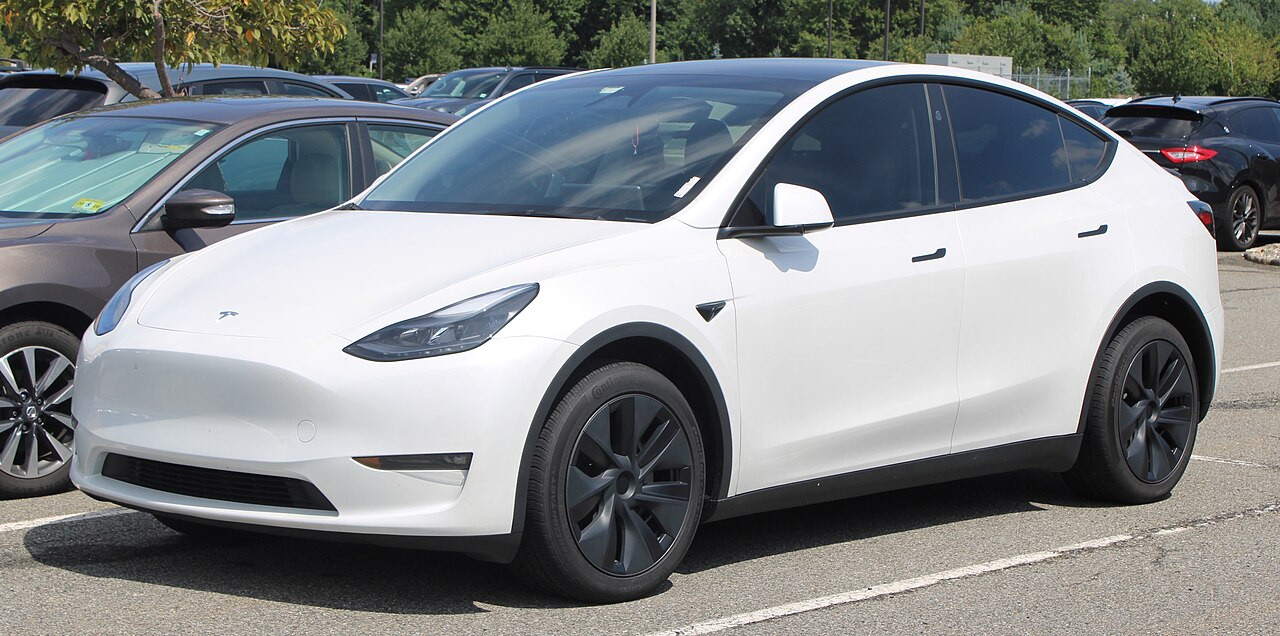
Case Study: Replacement of the Charging Port Contactor (FC Contactor) on a Tesla Model Y (2021)
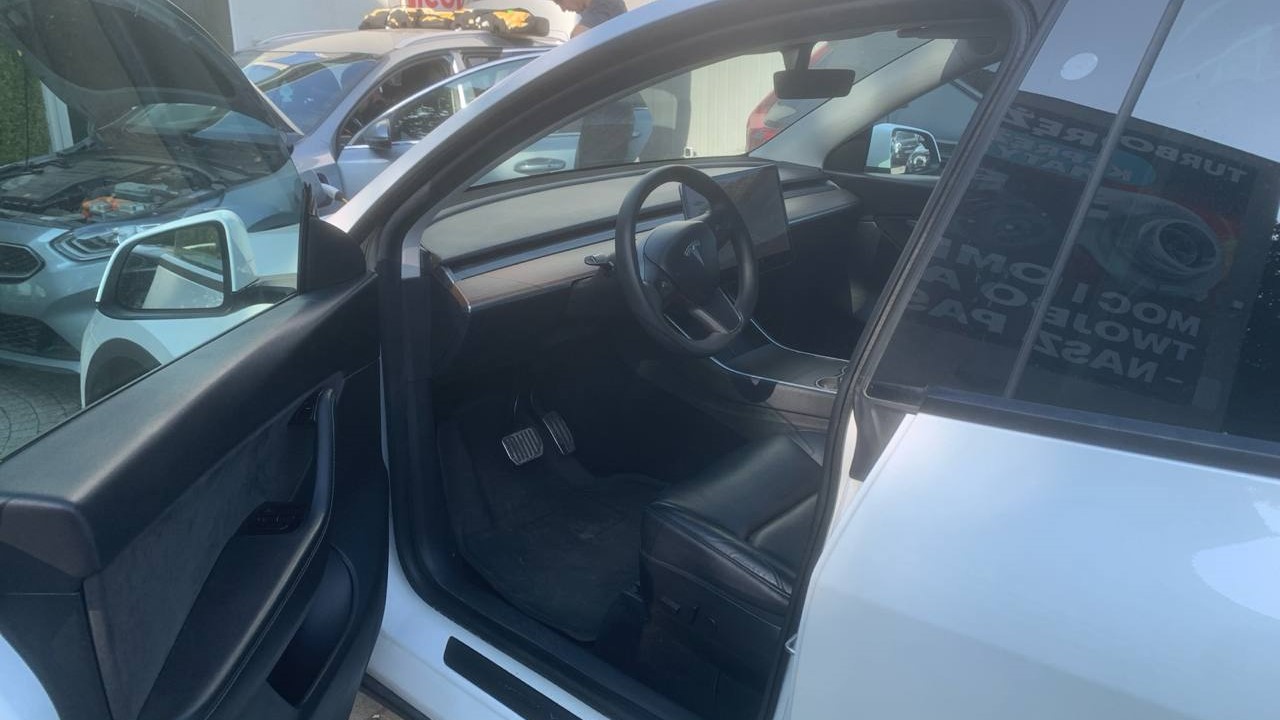
The owner of a 2021 Tesla Model Y came to the STS.Electro workshop. The situation was critical: the car had driven to the service center under its own power, literally “on its last legs”—the battery had only 5% charge remaining. There was no time for unnecessary experiments, as the car could lose all power at any moment.
Symptoms and Diagnosis
The problem manifested itself in a rather specific way:
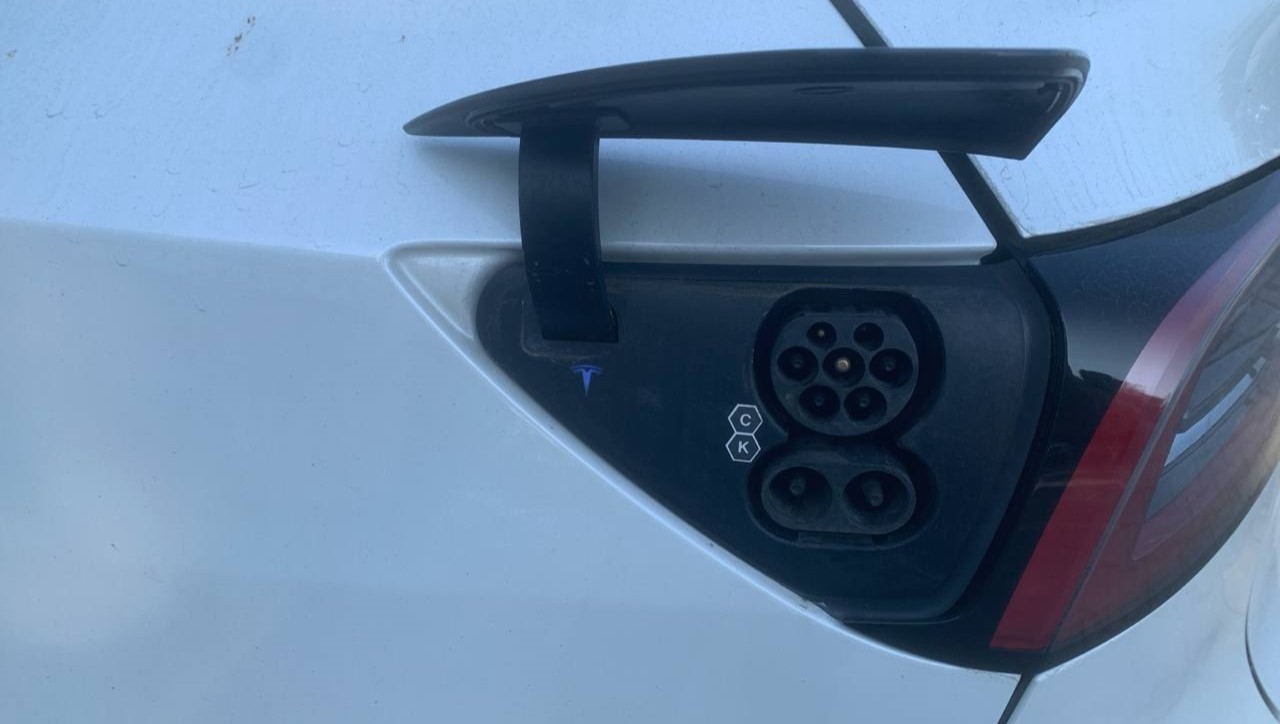
- When attempting to open the charging port door manually (by pressing on the hatch itself), the mechanism would attempt to operate, but the door would not open.
- At the same time, the door opened normally from inside the cabin (via the central monitor), but the car categorically refused to accept a charge.
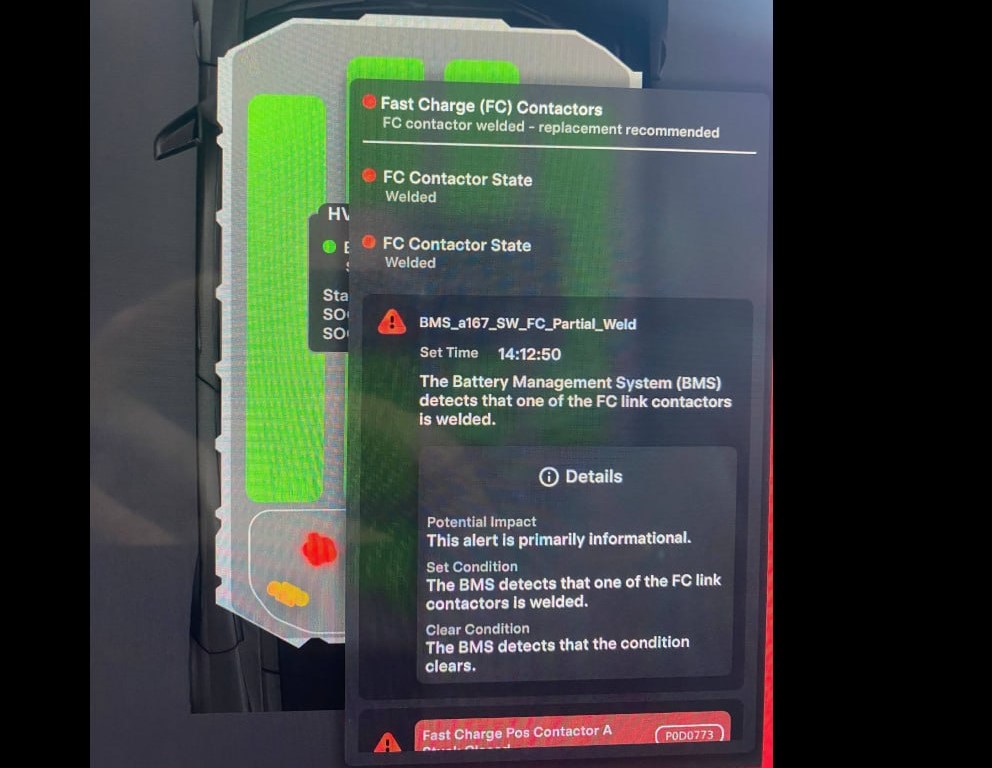
Connecting the LOKI diagnostic equipment and reviewing the service menu clarified the situation in the high-voltage system. The self-diagnostic system recorded a series of critical alerts:
- BMS_a167_SW_FC_Partial_Weld — detection of a “welded” / stuck fast-charging contactor;
- Fast Charge (FC) Contactors: FC contactor welded - replacement recommended — directly indicates that the fast-charge power relay has “welded shut” in the closed position and must be replaced;
- Fast Charge Pos Contactor A (POD0773) — specifies the location of the failure: the sticking occurred specifically on the positive (plus) contactor of the DC Fast Charge line.
What does this mean in practice?
During high loads or when breaking the circuit under current, an electric arc forms between the relay’s power contacts. Over time, this leads to the contacts burning or even micro-welding (“fusing”) together. Upon detecting that the Fast Charge contactor is stuck and cannot open normally, the BMS (Battery Management System) blocks the charging port and current intake for safety reasons to prevent damage to the high-voltage battery and electronics.
Work Procedure
- Safety and Power Shutdown: Following strict safety protocols for working with Tesla’s high-voltage system, we de-energized the relevant circuit.
- Disassembly and Troubleshooting: We gained access to the Fast Charge high-voltage contactor assembly and confirmed that it needed to be replaced.
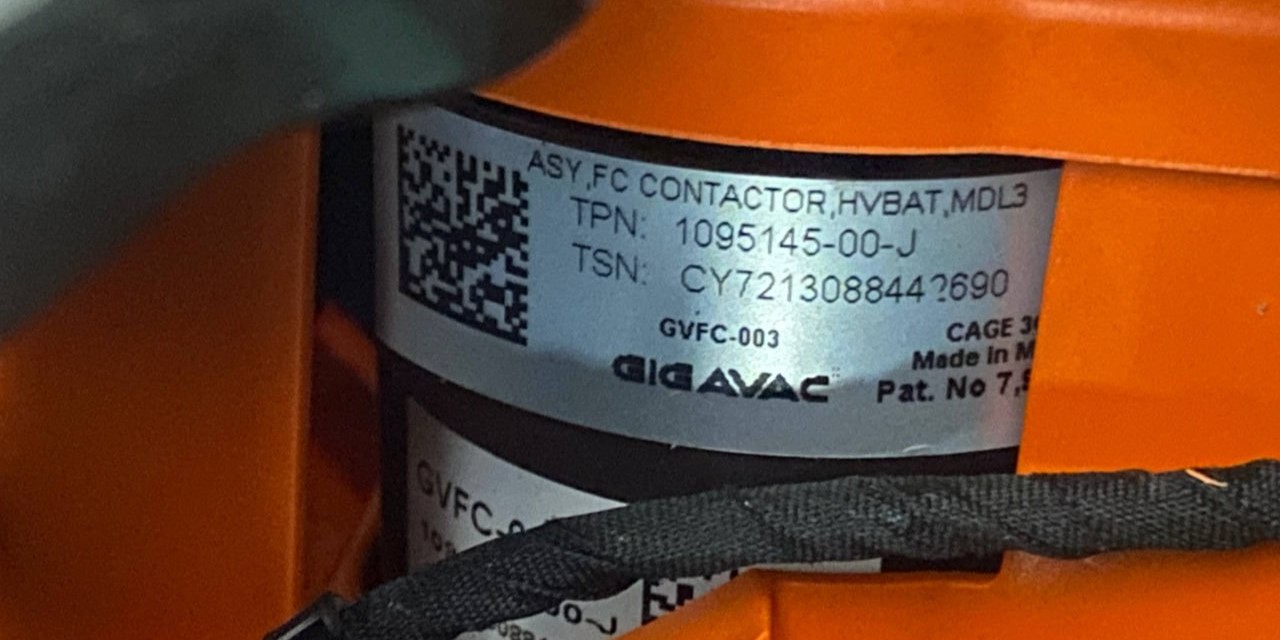
- Part Replacement: We replaced the damaged unit with an original GIGAVAC contactor (OEM part number: 1095145-00-J / 1095145-00-G), which we quickly sourced and ordered on allegro.pl.
- Error Resolution and Configuration: After physical installation, we used service software to clear the BMS unit’s memory of active and archived errors (BMS_a167, POD0773) and initialized the unit.
- Final testing: We checked the operation of the charging port door in all modes (both when pressed by hand and from inside the cabin—it operates smoothly and without delay) and immediately connected the car to the charger. The fast-charging process began as expected, and the car successfully fully charged the battery.
Minor or unexpected issues can occur even with technologically advanced and reliable electric vehicles like Tesla. But for the STS.Electro team, this is no problem! Our specialists are always on standby and ready to help resolve technical issues of any complexity quickly and efficiently—from minor electrical repairs to high-voltage system repairs.
Are you experiencing a charging error or a malfunction with your electric vehicle?
Visit STS.Electro—we’ll perform a thorough diagnosis and get your car back on the road quickly! Schedule a diagnostic check today—and keep moving forward without any obstacles!