

Audi Q5 Issues: Common Problems, Weak Points, and Tips Before Buying
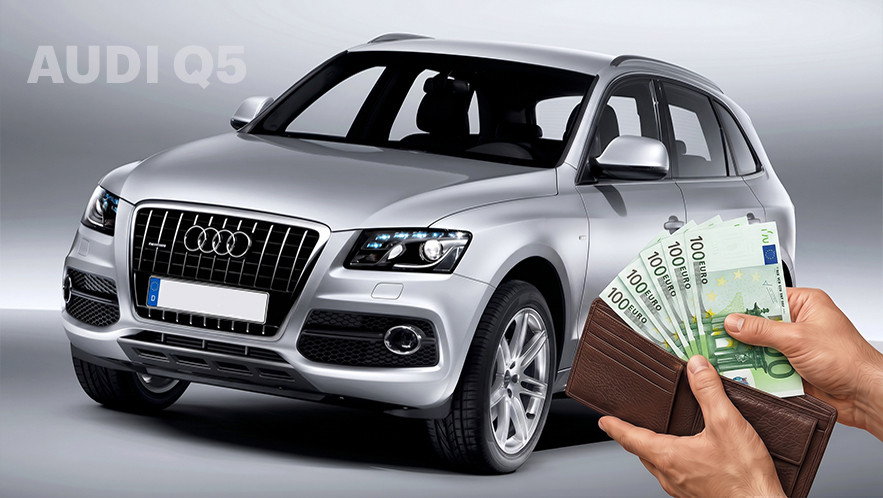
Buying a used premium crossover is always a trade-off between comfort and the risk of unexpected expenses. The Audi Q5, whose common issues we’ll examine in detail today, is one of the most popular SUVs on the used car market. The model combines the dynamics of the Audi A4, on whose platform it is built, with the practicality of high ground clearance and the signature quattro system. However, every vehicle requires thorough diagnostics, as its prestigious appearance may hide defects that require costly repairs.
We will analyze two generations of the model, find out what owners complain about, and help drivers understand whether it is worth investing in this car based on its technical specifications and real-world reviews.
Audi Q5 8R (2008–2017): Reviews and Technical Specifications
The first generation of the Audi Q5 (factory code 8R) debuted in 2008 and instantly became a bestseller. It was the perfect SUV for the city and for travel: more compact than the Q7, but significantly more substantial than its competitors. Built on the MLB modular platform, the car featured a longitudinal engine layout, which allowed for perfect weight balance and excellent handling. However, the first few years of production were a real test for the brand’s reputation due to a series of design flaws in the powertrains and transmissions.
Technical Specifications of the Audi Q5 (8R)
| Parameter | Specification |
| Model Year | 2008–2017 (Facelift in 2012) |
| Body type | Five-door crossover (also Sportback version for SQ5) |
| Drivetrain | Permanent all-wheel drive (Quattro with Torsen differential) |
| Transmission types | 6-speed manual, 7-speed S-tronic (DL501), 6-speed Tiptronic automatic, 8-speed ZF automatic (8HP) |
| Suspension | Five-link aluminum front, trapezoidal rear |
| Braking system | Ventilated disc brakes, integrated with ESC |
| Trunk capacity | 540 liters (1,560 with seats folded down) |
Analyzing the Audi Q5 and reviews of it, one can conclude that the reliability of the 8R model critically depends on the production date. Early versions (2008–2011) had a number of “teething problems,” most of which were only fixed after 2012.
Gasoline engines: issues with the 2.0 TFSI
The 2.0-liter EA888 series gasoline engines are a headache for many owners of 2008–2012 Audi Q5s. The main issue discussed on forums is excessive oil consumption (“oil guzzler”). Due to the poor design of the piston rings and the pistons themselves, the engine could consume up to 1.5 liters of oil per 1,000 km. In addition, carbon buildup on the intake valves is a typical feature of direct-injection engines, which over time leads to a loss of power and unstable idling.
| Engine | Power | Code | Features and Weaknesses |
| 2.0 TFSI (Gen2) | 180–211 hp | CDNB, CDNC | Severe oil consumption, timing chain stretch, weak fuel injection pump |
| 2.0 TFSI (Gen3) | 225–230 hp | CNCD | Piston issue resolved, cooling system improved |
| 3.0 TFSI | 272 hp | CTVA | Supercharged engine, reliable but prone to pump and thermostat leaks |
| 3.2 FSI | 270 hp | CALB | Naturally aspirated V6, prone to scoring when overheated |
When reading reviews of the Audi Q5 2.0 TFSI, you’ll often come across mentions of replacing the piston assembly. If you’re planning to buy this car today, be sure to check whether this major repair has been performed. Also pay attention to the timing chain—it can stretch after less than 40,000 kilometers of mileage, which, without timely intervention, guarantees an expensive cylinder head repair.
Diesel engines: 2.0 TDI or 3.0 TDI?
The diesel versions of the Audi Q5 8R are very popular in Europe. They offer good torque, which is quite important for a crossover. However, operating a diesel engine in city driving has its consequences for the vehicle’s emissions control systems.
| Specifications | 2.0 TDI (EA189/EA288) | 3.0 TDI (EA896/897) |
| Power | 143–190 hp | 240–245 hp |
| Fuel injection system | Common Rail (piezo injectors) | Common Rail (high pressure) |
| Common issues | EGR valve, particulate filter, oil pump hex | Intake swirl flaps, oil leaks, timing system cost |
| Timing belt life | Belt (replacement every 120,000–180,000 km) | Chain (lasts over 250,000 km) |
| Fuel consumption | 6.5–8.5 L/100 km | 8.5–11 L/100 km |
Audi Q5 3.0 TDI: reviews of this model are usually full of praise for the engine’s torque, but warn about the difficulty of accessing certain components—the engine often has to be removed to replace the timing chains. As for the earlier version, reviews of the Audi Q5 2.0 TDI emphasize the need for regular cleaning of the intake system and monitoring the condition of the diesel particulate filter (DPF), which can fail during short trips with a cold engine.
Audi Q5 after the facelift (2012–2017): what was improved?
The 2012 facelift served as a “lifeline” for the model’s reputation. The manufacturer undertook extensive work to address previous issues, resulting in significantly more positive reviews for the 2014 Audi Q5 and 2015 Audi Q5.
The main technological breakthrough was the Gen3 2.0 TFSI engine. It featured a combined injection system (port + direct), which solved the problem of valve carbon buildup. The design of the oil seals was also modified, finally putting an end to the infamous “oil consumption” issue. In the transmission, the temperamental S-tronic (in the American and some European markets) was replaced by the legendary ZF 8HP 8-speed automatic, which is considered the gold standard of reliability.
Inside, the MMI multimedia system was updated, and more trim options became available. Executively, the vehicle received "full-width" LED daytime running lights integrated into the headlights, making the crossover appear wider and more aggressive.
Common faults (8R)
- S-tronic transmission: The most common issue is mechatronics board failure due to oil overheating. Clutch packs also wear out, causing jerking during acceleration.
- Suspension: The aluminum control arms are very light but sensitive to rough roads. The lower control arm struts are the first to fail.
- Steering: Pre-facelift models suffer from steering rack failures involving the power steering pump (leaks, pump noise). Facelift models with electric power steering have issues with the shaft bearings.
- Lighting: The taillights often "fog up," which leads to short circuits in the LED boards.
- Panoramic roof: Squeaking when driving over uneven surfaces and a risk of drainage leaks, which can flood the electronic units in the trunk.
Audi Q5 FY (since 2017): reviews and technical data
The second generation (FY) moved to the MLB Evo platform. The car became more technologically advanced, featuring matrix headlights, air suspension, and a new all-wheel-drive philosophy. The body weight was reduced thanks to the wider use of high-strength steels and aluminum, which positively impacted handling.
| Parameter | Description and specifications |
| Platform | MLB Evo (as in the current A4, A6, Q7) |
| Drivetrain | Quattro ultra (clutch instead of Torsen for cost savings) |
| Transmission | 7-speed S-tronic (upgraded), 8-speed automatic for V6 |
| Engines | 2.0 TFSI (252 hp), 2.0 TDI (190 hp), 3.0 TDI (286 hp) |
| Technologies | MHEV (mild hybrid), Virtual Cockpit |
Common faults (FY)
- Quattro ultra: A new system with two clutches allows the propeller shaft to be completely disengaged. While this saves fuel, owners with high mileage sometimes complain of micro-vibrations when the rear axle is engaged.
- Cooling: The pump and thermostat are integrated into a single plastic unit. It often begins to leak at the seam due to thermal deformation as early as 50,000–70,000 km.
- Electric steering rack: The assembly has become much more complex. Moisture entering through microcracks in the dust boots leads to immediate corrosion and failure of the electronic control module. Replacing the entire rack is an expensive undertaking, but STS offers a solution: professionally remanufactured Audi Q5 EPK rack assemblies. This allows you to restore the unit’s functionality with a warranty, without overpaying for a brand-new assembly.
- Air Suspension: Failure of the valve block or loss of pressure in the air springs due to exposure to road chemicals.
Pros and Cons of the Audi Q5
8R Generation (2008–2017)
| Pros | Disadvantages |
| Genuine Torsen permanent all-wheel drive | High risk of oil consumption on the 2.0 TFSI models prior to 2012 |
| High-quality interior materials (soft-touch plastic, leather) | Complex and expensive suspension to repair |
| Well-balanced ergonomics: everything in its place | Troublesome S-tronic transmission on early models |
| Powerful and reliable V6 diesel engines available | Outdated infotainment system without smartphone support |
| Good sound insulation even in base models | Prone to engine overheating when radiators are clogged |
FY generation (since 2017)
| Pros | Disadvantages |
| Incredible performance and low fuel consumption | Lack of "true" all-wheel drive in most versions |
| Modern digital interior (Virtual Cockpit) | Very high cost of genuine parts |
| Availability of air suspension (comfort and ground clearance) | "Raw" firmware for electronic driver assistance systems |
| Effective matrix headlights (light as bright as daylight) | Difficulty in diagnostics without specialized equipment |
| No major issues with oil consumption | Shorter service life of the pump and cooling components |
Which engine should you choose for the Audi Q5?
Choosing a powertrain is always a compromise. If you’re looking for an Audi Q5 and wondering which engine to choose, take a look at this comparison table.
| Option | Engine | Driver characteristics |
| Economical | 2.0 TDI | You drive over 20,000 km a year and value fuel economy. |
| Dynamic | 2.0 TFSI (Gen3) | You love the thrill of driving but don’t want to overpay in taxes for a V6. |
| Maximum | 3.0 TDI | Need confidence on the road and maximum durability. |
| City | Hybrid (PHEV) | You have your own charging station and drive mainly in the city. |
| Sport | 3.0 TFSI (SQ5) | Ready to accept high fuel consumption for the thrill of driving. |
Today, reviews of the Q5 agree that the sweet spot for the 8R is the 2.0 TDI diesel from 2013 onward, and for the FY, the 252 hp 2.0 TFSI gasoline engine, which has excellent potential for tuning.
Operation and actual maintenance costs
Owning an Audi Q5 is prestigious but expensive. Regular maintenance ensures the car won’t let you down when it matters most. Special attention should be paid to the transmission and cooling system.
| Component / Service | Recommended Interval | Why is this important? |
| Engine oil change | 7,500–10,000 km | Extends the life of the turbocharger and phase shifters. |
| Transmission fluid (S-tronic) | 50,000–60,000 km | Prevents wear on solenoids and friction plates. |
| Radiator cleaning | Once every 2 years | Prevents overheating and deformation of the cylinder head. |
| Suspension inspection | Every 15,000 km | Replacing a single silent block in time will save the control arm. |
Remember that in the Audi Q5, every button in the cabin and every sensor under the hood is part of a complex ecosystem. For example, the failure of a single parking sensor can cause the entire maneuvering assistance system to shut down. Before purchasing, be sure to check the car using a professional scanner, such as VCDS or ODIS, to view the actual mileage and error history in all modules, including the ESC control unit.
Conclusion
The Audi Q5 is a crossover that sets a high standard in its class. It is ideal for those who value build quality and driving pleasure. However, when buying such a car on the used market, you need to clearly understand: this is not a budget vehicle, but a complex machine.
Key takeaways for buyers:
- Pre-2012 8R models are a gamble, where the cost of losing is a major engine overhaul.
- The facelifted 8R model (2013–2017) is the most balanced choice in terms of price and reliability.
- The 3.0 TDI engine is the best option for those planning to own the car for a long time.
- The condition of the steering rack is a critical factor. If diagnostics reveal issues, repairing the Audi Q5’s electric steering rack at STS Warsaw will restore the car’s factory-level handling.
Regardless of the generation you choose, remember: 90% of the success of your Audi’s operation depends on the quality of service. If you notice heavy steering or unusual noises, don’t delay. In our catalog, you’ll always find everything you need for quality service: from protective dust covers to suspension components. Visit the full Audi Q5 parts section on the STS website to ensure your crossover has a long life free of unexpected breakdowns.
Professional Audi Q5 Repair in Warsaw: Why Choose STS
Knowing common faults is only half the battle. It’s just as important to have a reliable partner who can not only diagnose the problem but also fix it with guaranteed results. STS specializes in complex vehicle component repairs, offering an alternative to costly replacement of entire assemblies.
At our service center in Warsaw, we perform:
- Steering rack restoration: from replacing worn bearings and dust boots to programming and adapting electronic control units (ECUs).
- Chassis repair: professional suspension restoration and air spring diagnostics.
- Brake system service: caliper maintenance, ESC module replacement, and ABS sensor testing.
Thanks to our own inventory of spare parts and refurbished components, Audi electric power steering rack repairs at STS are completed much faster than at official dealerships, and our mechanics’ expertise allows us to resolve even those electronics issues that other service centers won’t tackle. Remember that contacting specialists at the first signs of a malfunction is the best way to avoid major expenses and keep enjoying driving your Audi Q5.