


Golf 3 Steering Rack: Signs of Damage and Repair Methods
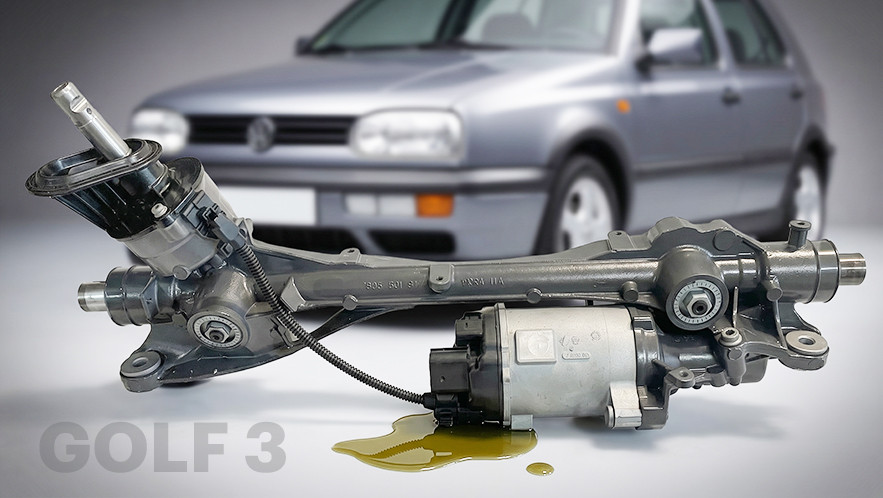
The Volkswagen Golf 3 is a true legend of the German automotive industry, a "workhorse" that has proven its durability for decades. Owners appreciate this car for its incredible engine longevity and ease of maintenance. Even after many years of use, the Golf remains a reliable companion on the road. However, like any vehicle with high mileage, it requires attention to key components. One such component in the Golf 3 is the steering rack, and it is important to recognize signs of failure early on to avoid costly repairs.
Typical signs of a damaged Golf 3 steering rack
On the "third" Golf, the steering system design depended on the model year and engine power. In budget versions (primarily pre-facelift models up to 1994 or models with 1.4- and 1.6-liter engines), a conventional mechanical rack was common. More powerful versions and later-model cars were equipped with a power steering system (PS) as standard. A malfunction in either system negatively affects road control. The driver may notice the following sounds and sensations:
- Knocking in the front suspension: this usually intensifies when driving over small bumps. In mechanical racks, this often indicates wear on the center pair; in hydraulic systems, it indicates broken guide bushings, which can be replaced using a support bushing housing.
- Heavy steering: for systems with power steering, this is the main sign of a faulty pump or loss of pressure. In mechanical systems, however, "heavy" steering may indicate an over-tightened adjustment bolt or corrosion of internal components.
- Unusual noises: a humming or squeaking sound when turning the steering wheel is characteristic only of hydraulic systems where the power steering fluid level is low.
- Oil leak: The presence of oil stains under the car is a serious symptom for owners of vehicles with power steering, indicating that the seals have failed.
- Play: Noticeable free play in the steering wheel before the wheels begin to turn, which makes steering imprecise in both types of systems.
Causes of rack wear in the Golf III
Despite the overall reliability of the design, time and external factors take their toll. The main factors accelerating the wear of steering systems are:
- Natural corrosion: moisture getting under the dust boots causes rust on the shaft.
- Road conditions: constant shock loads gradually break down the internal mechanism and guide bushings.
- Lack of timely maintenance: for hydraulic systems, infrequent replacement of the working fluid leads to the accumulation of metal shavings. In mechanical systems, the problem often lies in the drying out of the factory grease, which requires the use of a high-quality steering gear repair kit.
- Worn dust covers: even a small crack in the rubber cover allows dust and dirt to get inside, where it will damage the shaft’s mirror-like surface.
DIY Diagnosis
Before planning to call in professionals, you can conduct an initial inspection yourself. If you have a manual transmission version, first check the fluid level in the reservoir. If it is below the "Min" mark, you need to look for a leak. The color of the fluid is also important: dark fluid with a burnt smell and oil impurities must be replaced immediately.
The following test applies to both types of racks: with the engine off, try jerking the steering wheel sharply from side to side. If you hear a distinct metallic clunk, this may indicate worn teeth or play in the joints, which often requires replacing the steering tie rod. Also pay attention to the dust boots: they must be completely dry and intact. More detailed information on diagnostics can be found on the rack repair services page.
When to see a specialist
Repairing or replacing a component such as the steering rack for a Golf 3 requires specialized equipment. It is important to understand the differences in symptoms depending on your car’s design.
| System type | Typical symptom | Possible cause |
| Mechanical | Constant knocking in the steering wheel | Wear on the bushing or gear engagement |
| Mechanical | Steering wheel jerks | Corrosion of the shaft due to a torn dust boot |
| Hydraulic (HPK) | Whining noise when turning the steering wheel | Critical drop in fluid level or pump wear |
| Hydraulic (HPK) | Oil puddles under the car | Wear on the rack's power seals |
Estimated repair cost
STS specialists perform restoration on all types of Golf 3 steering mechanisms—from simple mechanical to complex hydraulic systems.
| Type of work | Estimated cost (PLN) |
| Bench testing | from 70 |
| Basic repair kit | from 100 |
| Mechanical rack repair | from 800 |
| Hydraulic rack repair | from 800 |
For those planning to perform maintenance themselves, a repair kit for the power steering is available on the website.
Signs that require immediate attention
There are situations where continuing to drive becomes dangerous. If you notice at least one of these issues, contact a mechanic immediately:
- Sudden loss of steering effort (in models with power steering, which often requires checking the power steering pump).
- Significant play in the steering (the steering wheel "wanders," and the car does not respond).
- Severe fluid leak (requires constant refilling).
- "Seizing" of the mechanism, preventing the steering wheel from returning freely to the neutral position.
How to maintain the rack and avoid repairs
To prevent a damaged rack in your Golf 3, follow these simple tips. Even on an older Golf, the system can last for years with proper care.
- Inspect the dust boots regularly: This is the most important rule. An intact seal means a dry and clean shaft.
- Change the power steering fluid on time: For hydraulic systems, this is the key to the longevity of the pump and distributor.
- Don’t hold the steering wheel in extreme positions: Avoid turning the steering wheel “all the way” for more than 5 seconds.
- Keep the work area clean: When repairing the suspension, make sure no sand gets into the mechanism, especially when replacing the silent blocks.
Driving safety depends directly on the proper functioning of the power steering and the steering rack as a whole. STS in Warsaw performs professional restoration of all steering components. We understand the value of classic cars and help owners keep them in perfect condition. Seeking professional help in a timely manner ensures that your Golf 3 will continue to delight you with its legendary handling for many years to come.