

Removing the EGR valve: can it be done and is it worth it?
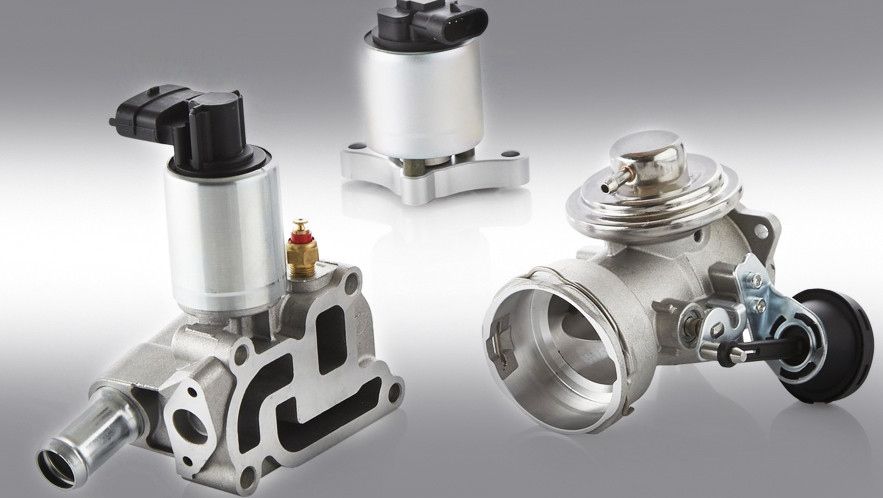
The EGR (Exhaust Gas Recirculation) valve – is an important part of the emission reduction system in modern cars. But in some cases, its malfunctions can cause serious problems for engine performance. Let's take a look at how the valve works, possible faults and how to remove EGR.
How EGR works
To understand whether it is worth removing the system, it is important to understand the principle of its work. EGR – is a unit that reduces the amount of nitrogen oxides (NOx) formed at high temperatures in the combustion chamber. The exhaust gases are returned to the intake manifold via the EGR valve, mixing with the air entering the combustion chamber. This lowers the combustion temperature, which in turn reduces the formation of harmful NOx.
- The main components of the system:
- The EGR valve – regulates the flow of exhaust gases into the intake manifold.
- EGR valve position sensors – monitor its opening and closing.
- EGR solenoid – controls the supply of vacuum to the valve or electrically regulates the opening of the valve in modern engines.
- The EGR cooler – in some diesel engines, cools exhaust gases before reintroducing them into the combustion chamber.
Principle of EGR
The operating principle of EGR depends on the type of engine. In diesels, the valve opens at idle and supplies up to 50 per cent of the inlet air volume. As the rpm rises, the valve closes proportionally until it closes completely at maximum load. During engine warm-up, the valve is also fully closed. In petrol engines, EGR is not activated when the engine is cold, at idle and at maximum torque rpm. At low and medium load, the system provides 5-10 per cent of the air supplied to the intake.
Why the EGR valve is important to the engine
The main purpose of the EGR valve – to reduce toxic emissions and ensure environmental compliance with modern regulations.
The main purpose of the EGR valve – to reduce toxic emissions and ensure environmental compliance with modern standards.
Benefits for the engine:
- Reduces peak combustion temperatures. This reduces the risk of cracking in the combustion chamber and reduces stress on engine components.
- Enhances fuel economy in certain operating modes.
- Protects the turbocharger and valves from overheating.
But over time, the EGR valve can become clogged, affecting engine performance.
EGR valve problems
The main disadvantage – accumulation of soot and deposits, especially in diesel engines. This leads to soot build-up on the valve walls and passages, which can cause the valve to stick in the open or closed position.
Typical signs of EGR malfunction:
- Drop in engine power. Too much exhaust gas is entering the cylinders due to incorrect valve operation.
- increased fuel consumption.
- Smoky exhaust. A clogged EGR can cause black smoke.
- Irregular engine idling.
- Check Engine error code appears.
Cleaning the EGR, replacing or removing the EGR valve?
If the EGR valve is no longer functioning properly, there are three main ways to fix the problem:
- Cleaning the valve. This is only possible if the valve does not have serious mechanical damage. Cleaning helps to remove fouling and return the valve to working order, but it is a temporary solution.
- Replacing the EGR valve. This option is quite expensive, especially for cars with complex modern EGR systems.
- Removing the EGR valve. This is an effective solution that permanently eliminates potential problems. It requires physical removal of the valve and software reprogramming of the ECU.
What EGR valve software removal involves
Programmed EGR valve deactivation – is the process of modifying the engine control unit to ignore the functions of the valve.
Main steps:
- Reading the ECU firmware. Special equipment is used to read the ECU data.
- Making changes to the software. All commands related to the operation of the EGR valve are deleted
- Writing the updated firmware into the ECU.
What is the benefit of removing the EGR valve
Benefits:
- Improved engine power due to less resistance in the intake tract.
- Reduced fuel consumption, especially in diesel cars.
- Improved engine life by reducing soot and deposits.
- No EGR valve problems in the future.
Disadvantages:
- Possible difficulties in passing technical inspection due to exceeded emission standards.
- The need for professional programming of the control unit.
EGR valve removal methods
- Physical removal. This involves removing the valve, installing plugs on the ducts, and plugging the EGR cooler (if present). In most cases it is not necessary to physically remove the valve, it is enough to disable it by software.
- Programmed shutdown. A mandatory step, because even after physical removal of the valve, the system will record errors
What is ECU reprogramming after EGR removal
Without ECU reprogramming, the engine will continue to communicate with the missing system, causing numerous errors and reduced vehicle performance.
The main steps of reprogramming:
Preliminary system diagnostics.
Connecting the car to a diagnostic scanner to detect errors and read information from the ECU.
Checking the EGR system for physical faults to see if the EGR valve can be removed by software alone, or if physical removal will also be required.
Read original ECU firmware.
With the help of special software and diagnostic equipment, the factory firmware is read from the control unit.
Original firmware is saved as a backup copy, which allows you to return the car to the factory state if necessary.
Edit software.
The firmware removes commands relating to EGR valve operation.
Fuel injection, turbocharging and air/fuel mixture control parameters are optimised for better EGR-free operation.
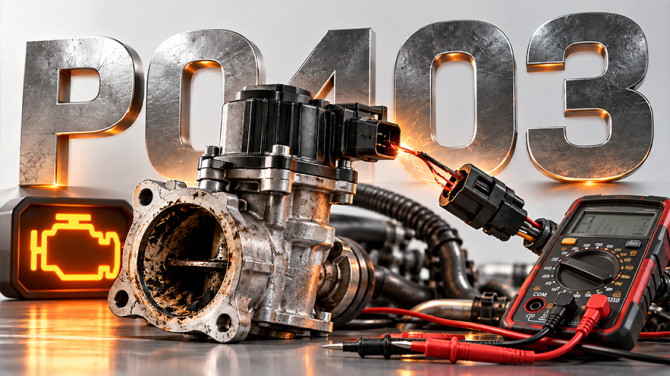
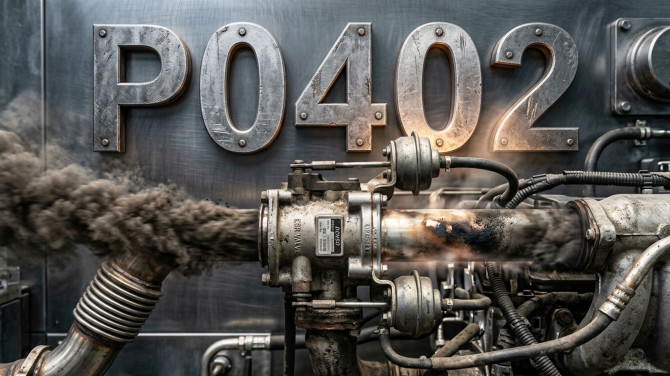
Removes error codes associated with no EGR (e.g., P0401, P0402, P0403, P0404, P0405).
Write the updated firmware to the ECU.
The modified software is written back to the ECU.
After the writing is complete, a check is made to ensure that there are no conflicts or incorrect system operation.
Testing the car.
Checks engine performance at various rpm.
The absence of errors in the diagnostic system and stability of operation confirm the successful completion of reprogramming.
What changes after reprogramming
- The engine runs without EGR. While driving without EGR, the system no longer attempts to communicate with the missing valve.
- Optimisation of engine performance. Engine management parameters are adjusted to compensate for the changes that occur after EGR is switched off. This reduces the risk of detonation and improves performance.
- Extinction of errors and Check Engine messages. The ECU no longer registers EGR-related error codes
- Improved fuel economy and dynamics. Changing the air-fuel mixture control and turbocharging parameters allows the engine to run more efficiently.
Risks and important aspects
Although reprogramming the control unit – is a standard procedure, it should only be carried out by a qualified technician. Incorrect intervention can cause serious problems:
- Disruption of other systems.
- Instable engine performance or increased fuel consumption.
- Electronic failure and the need to replace the ECU.
That's why it's important to call a professional before removing the EGR valve.
EGR removal at STS: full range of services
The STS company in Warsaw specialises in servicing high-tech car components. Our specialists use only licensed software and modern equipment for diagnostics and modification of the control unit firmware.
Why do customers choose STS?
- Many years of experience with electronic engine management systems.
- Modern equipment and access to factory firmware.
- Individual approach to each car.
- Quality guarantee on all performed works.
Removing the EGR valve – a reasonable decision. But it is important to remember that this work requires a professional approach. STS guarantees quality performance of all necessary work, ensuring reliable operation of your car.