

P0401 – Insufficient exhaust gas flow in the EGR system: symptoms and troubleshooting
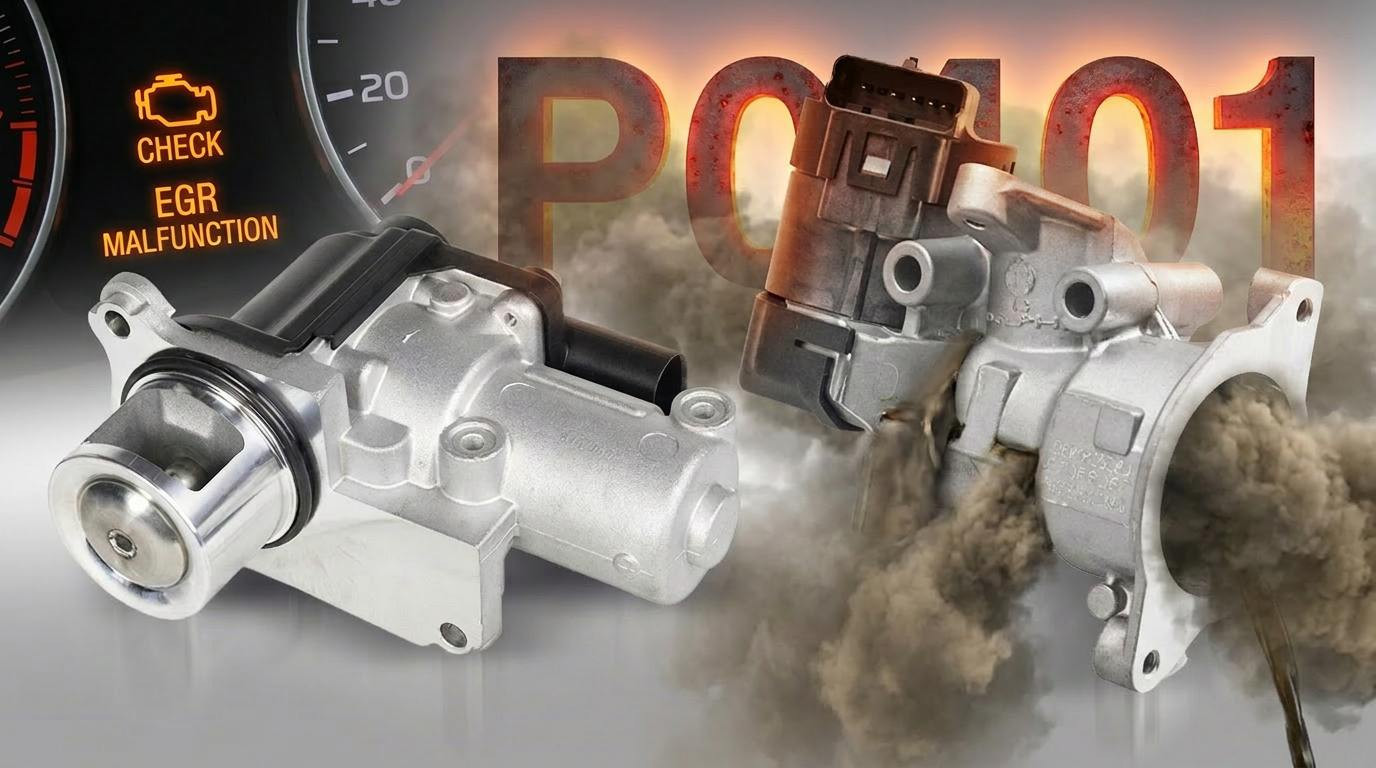
Modern cars are designed in such a way that the computer instantly interprets any deviation from environmental standards as a personal offense and alerts the driver with a yellow icon on the dashboard. The most common cause is code P0401, which owners of both diesel and gasoline vehicles regularly encounter. It indicates that significantly less exhaust gas is passing through the recirculation system than the engineers at the factory calculated.
Definition and Mechanics of the P0401 Problem
In the technical database, this fault is listed as "P0401 Exhaust Gas Recirculation (EGR) System: Insufficient Flow Detected." The purpose of the EGR valve is to return a portion of the exhaust to the cylinders to lower combustion temperatures and reduce nitrogen oxide (NOx) emissions.
The mechanism for triggering the error is as follows:
- The control unit (ECU) sends a command to open the valve by a certain amount.
- A special sensor (pressure, temperature, or mass air flow) measures how the parameters in the intake manifold have changed.
- If the expected change in pressure or temperature does not occur, the computer determines that the actual exhaust gas flow is too low.
- The system records an error code and restricts certain engine operating modes.
Typical symptoms of code P0401
There are several classic signs that indicate a malfunction:
- Constant or intermittent appearance of the "Check Engine" light.
- Noticeable decrease in the car’s performance.
- Unstable idle speed, engine surging, or even stalling.
- A metallic knocking sound when driving uphill or under load.
- Increased fuel consumption due to improper fuel-air mixture formation.
Why does the computer detect insufficient flow?
The main reason is simply the accumulation of soot and carbon deposits. Over time, carbon deposits completely clog the internal channels, metal tubes, and the valve itself. Other factors include damage to the vacuum lines, failure of the electric actuator, or malfunction of the electronic components that control the recirculation volume. In addition, a faulty temperature sensor may transmit incorrect data, causing the ECU to mistakenly believe that no exhaust gases are entering the system.
Step-by-Step Diagnosis of P0401
To accurately pinpoint the defect and determine whether new parts are needed, follow these steps:
- Connect a diagnostic scanner to the OBD-II port and confirm that the P0401 error code is stored in memory.
- Visually inspect all vacuum lines and hoses for cracks, tears, or air leaks.
- Check the electrical wiring and connectors that control the EGR valve.
- Test the control solenoid and ensure that a stable vacuum is present in the system (for vacuum-controlled valves).
- Remove the valve and assess the degree of contamination and the movement of the valve stem. You can read more about this in the article on removing the EGR valve.
Common diagnostic mistakes: what to check before replacing the EGR
Hasty conclusions often lead to unnecessary expenses. Quite often, owners decide to immediately replace an expensive component, even though the problem lies elsewhere. Before making drastic decisions, consider the following factors:
- Malfunctioning control elements: A dirty or broken differential pressure sensor (DPFE) or temperature sensor is often the cause of the error, even though the valve itself is working perfectly.
- Clogged channels in the manifold: Even a brand-new component won’t resolve the issue if the internal passageways in the intake manifold itself are clogged.
- Vacuum pump issues: Insufficient vacuum in the control system prevents the valve from opening to the required angle.
Before taking any action, it is recommended to perform a full functional check of the EGR valve using professional tools.
How to fix error code P0401?
Restoring the vehicle’s performance may require various service procedures:
| Troubleshooting Method | When to apply | Expected result |
| Flushing and cleaning | The mechanism is intact, but there is carbon buildup | Restoration of the piston rod’s mobility, restoration of normal channel cross-section |
| Replacement of sensors (DPFE / temperature) | Electronic tests indicate an internal short circuit or incorrect resistance values | The ECU is once again receiving correct exhaust gas flow readings |
| Repair of vacuum tubes | Mechanical cracks, cuts, or breaks in the lines detected | Restoration of seal integrity and precise solenoid control |
| Replacement of the complete assembly | Broken electrical component (servo) or significant physical wear | Complete elimination of the defect, stable environmental safety of the internal combustion engine |
Professional solutions for EGR system issues at STS Warsaw
If cleaning did not yield results or diagnostics revealed serious damage to components, do not put off repairs. Specialists at the STS Warsaw service center will quickly and accurately determine the cause of error code P0401 using modern equipment. We offer high-quality repairs, preventive maintenance, and replacement of EGR system components with a warranty on the work performed.
Schedule a diagnostic check or deactivation of the exhaust gas recirculation (EGR) system today to restore your car’s original power and ensure stable engine performance under any load.