

Symptoms of a faulty engine controller: how to fix it
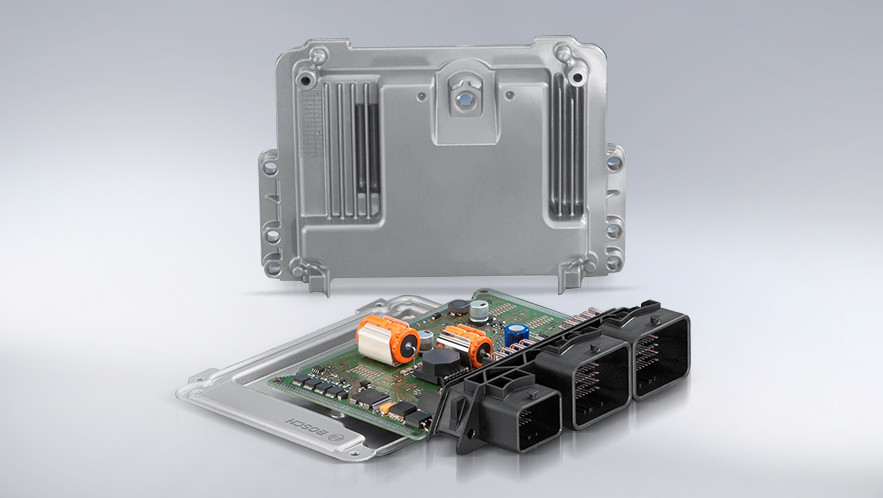
It is difficult to imagine modern cars without electronic systems that ensure precision and efficiency. One of the main elements is the ECU (Electronic Control Unit). It acts as the “brain” of the car, regulating the engine, controlling fuel injection, sensors, and the ignition system.
It determines how quickly the car responds to the gas pedal, how efficiently fuel is used, and whether exhaust emissions meet modern standards. If the unit fails, various problems can arise, from system malfunctions to the car coming to a complete stop. Early symptoms of a damaged ECU will help you avoid serious costs and prevent expensive repairs.
The most common signs of ECU malfunction
Signs of malfunction may appear gradually or occur suddenly. Below is a table with the most typical signals that may indicate a malfunction.
| Sign | How it manifests itself | Why it is dangerous |
| Check Engine light | Constantly lit or flashing | Indicates errors in the operation of the power unit or control system |
| Problems starting the engine | Long start-up, the engine does not always start | Risk of being stranded with a faulty car on the road |
| Loss of power | Poor acceleration, the car “does not pull” | Makes driving difficult and can create dangerous situations |
| Increased fuel consumption | The car consumes significantly more gasoline or diesel | Increased costs and harmful emissions |
| Unstable engine operation | Idling speed “floats,” noticeable interruptions | May lead to more serious breakdowns |
| Ignition coil malfunction | Frequent misfires | Causes additional damage to the engine |
| Incorrect exhaust gas sensor readings | The car fails the technical inspection | Indicates poor fuel combustion |
Why the ECU fails: main reasons
Electronic control unit failure does not always occur suddenly. There are factors that gradually lead to its failure. Among the most common reasons are:
- Moisture ingress — even a small amount of condensation inside the unit can cause corrosion and short circuits.
- Overheating — prolonged high temperatures under the hood gradually destroy microchips.
- Poor contacts — oxidized or damaged connections cause interruptions in the transmission of signals from sensors.
- Mechanical damage — impacts as a result of an accident or incorrect dismantling.
- Interference by non-professionals — incorrect chip tuning or unqualified repairs often result in even more serious breakdowns.
If these factors are avoided, the service life of the electronic control unit will be significantly increased, and the risk of repair or replacement will be minimal.
What to do if you suspect a malfunction
When your car shows characteristic symptoms of ECU malfunction, it is important to proceed step by step.
- Check the obvious things: spark plugs, wiring, battery charge level. Often the problem may not be with the unit itself, but with the components it works with. Inspect the main sensors (oxygen, coolant temperature, mass flow meter). A faulty sensor sends incorrect signals to the unit, and this looks like an ECU malfunction.
- Pay attention to fuel consumption and exhaust smoke. If they have changed for no apparent reason, the problem may be with the unit.
- Perform a diagnostic scan. This is the fastest way to find out if there are any errors related specifically to the ECU.
- If the car goes into emergency mode (limited power, only works at certain speeds), contact a service center immediately. Continued operation may result in further damage.
Methods for checking the ECU in a car
Several methods are used to accurately determine the serviceability of the electronic control unit:
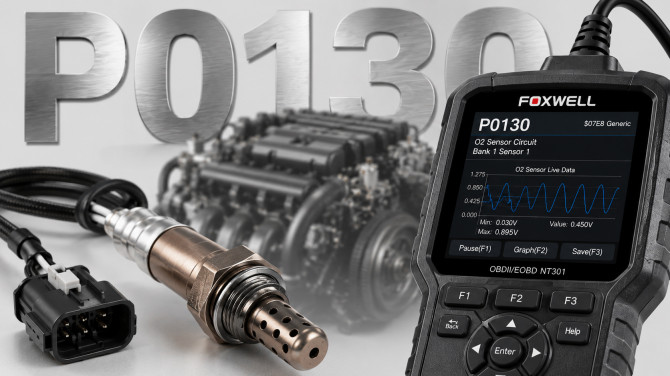
- Connect a diagnostic scanner to the OBD-II connector to read error codes. This allows you to determine which systems are malfunctioning.
- Visual inspection of the unit: signs of corrosion, overheating, or moisture may indicate damage to the board.
- Checking the supply voltage and ground connection. Sometimes the problem is not with the unit itself, but with the contacts.
- Testing the ignition system (coils, spark plugs, wires) to rule out related malfunctions.
- Testing on a specialized test bench. This is the most reliable method of diagnosis, when the unit is diagnosed in a removed state.
Consequences of engine control unit failure
Ignoring the problem can lead to serious consequences:
- Complete failure to start the engine, which means the car simply won't move.
- Increased fuel consumption, which creates a financial burden.
- Incorrect fuel injection control, which damages the engine.
- Uncontrolled emissions of harmful substances through exhaust gases.
- Accelerated wear of injectors, spark plugs, and coils.
- Expensive repairs or replacement of the unit in case of complete failure.
ECU diagnostics and repair at STS, Warsaw
STS specialists have many years of experience working with electronic systems in cars. We understand perfectly well that every driver is concerned not only about the word “breakdown” itself, but also about what to do next. That is why we always explain honestly when and how the ECU can be repaired, and when it is more expedient to install a new unit.
When repair is possible:
- Individual tracks on the board are damaged and can be repaired.
- Individual components (microcircuits, transistors, resistors) are out of order.
- There are problems with soldering contacts, which can be resoldered.
- The system “malfunctions” due to moisture or dust, but works after cleaning.
When replacement is necessary:
- Severe mechanical damage to the case or board.
- Complete burnout of microchips due to a short circuit.
- Damage from serious accidents or flooding of the car.
- When replacing the ECU is more cost-effective than repairing it.
How STS works in Warsaw
- Initial diagnostic check and error code scan.
- Laboratory testing of the unit separately from the car.
- Decision-making: repair or replacement of the ECU.
- Repair with replacement of damaged parts or installation of a new unit.
- Checking the operation on the car and issuing a warranty.
In many cases, repair is more cost-effective. However, sometimes it is cheaper and more reliable to install a new unit right away. That is why we always explain to the customer which option will be best. If you are interested in the price of ECU repair, contact us — at STS, you will receive an honest cost estimate and a transparent quote with no hidden fees.