

Turbine whirring in the car - causes
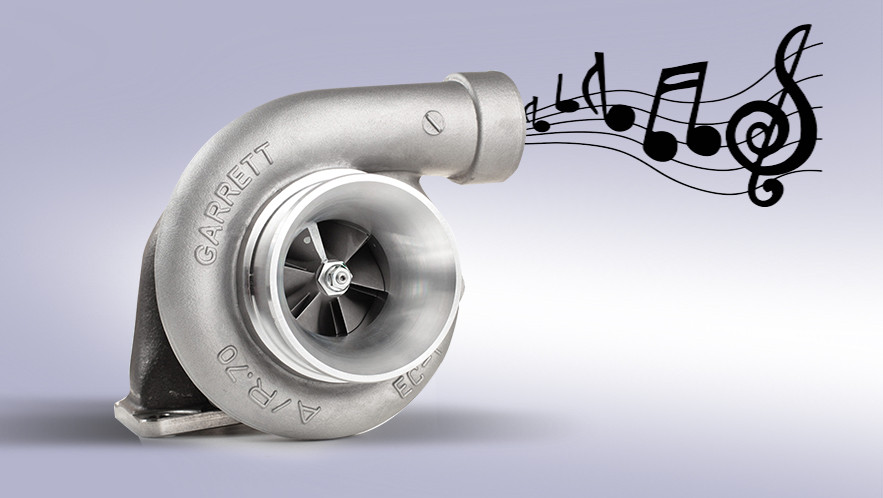
Unusual noises always cause concern for drivers. A squeaking or whining sound may indicate serious problems with the turbocharger. It is important to remember that this component is responsible not only for engine power, but also for efficient fuel combustion and engine resource savings. If the turbine whistles, especially under load or when accelerating, do not ignore the problem—it could be the first sign of more serious damage.
Turbine whistling—causes of malfunction
Noises often occur due to wear or damage to internal components. A turbocharger is a high-precision mechanism that operates under severe conditions, so even slight friction or play can cause specific noises that are particularly noticeable at high engine speeds.
The main causes of whistling are:
- Wear of bearings and rotor
When the rotor loses its rotational accuracy, it begins to rub against the housing walls, creating a whistling sound. Wear is usually accompanied by a decrease in engine power. - Damage to the blades
Dust or foreign objects entering the intake tract can cause deformation or breakage of the blades. This causes an imbalance and a characteristic sound. - Leaks in the intake system
Cracks, worn clamps, or gaskets contribute to air intake. A whistling sound from the turbine during acceleration is caused by increased load on the system. - Lubrication problems
Contaminated oil (or lack thereof) does not provide adequate lubrication. Lack of lubrication increases friction and leads to overheating and whistling. - Overheating and improper fuel combustion
Excessively high temperatures are a common cause of turbine component deformation, especially in diesel engines. Uneven combustion also creates additional pressure and load on the assembly.
The turbocharger has a limited service life, and whistling is often the first sign of wear.
Signs of turbine damage
Turbine whistling is a clear sign of a problem, but it is not the only one. Some symptoms can be noticed immediately, while others are detected during diagnostics or prolonged operation.
The most common signs of turbocharger damage are:
- Smoke from the exhaust pipe
Blue smoke indicates oil in the cylinders, black smoke indicates poor fuel combustion. Both cases can be the result of a faulty turbine. - Reduced engine power
The car accelerates poorly and responds to the accelerator pedal with a delay, especially when overtaking or driving uphill, because the turbine does not generate the necessary pressure. - Increased fuel consumption
Due to the malfunctioning of the intake system, the engine runs inefficiently, which leads to increased fuel consumption. - Unusual noises when starting a cold engine
A temporary whistling or grinding noise that disappears after the engine warms up may indicate thermal expansion of damaged components. - Traces of oil in the intake system
Oil in the intercooler or pipes is a sign of worn turbine seals. - Errors during computer diagnostics
The electronics may detect unstable boost pressure or other signs of turbocharger malfunction.
If you notice even one of these signs, the system needs to be checked immediately.
Can you drive a car when the turbo is whistling?
Although the car will not stop because of the whistling, it is advisable not to drive in this condition. The turbocharger operates under extremely high loads, and every trip only exacerbates the problem.
A damaged turbine can:
- Break down further – blade fragments can get into the engine cylinders, requiring major repairs.
- Worsen fuel combustion – reduced boost efficiency affects the quality of the mixture.
- Cause overheating – especially in heavy-duty diesel engines.
- Destroy the catalytic converter or particulate filter – due to excess oil or unburned fuel.
Delaying repairs to a damaged turbocharger is very dangerous. The sooner the diagnosis is made, the easier and cheaper the repair will be.
When should you contact a specialist?
You should contact a specialist as soon as you notice a whistling sound, smoke, loss of traction, or other unusual signs in the engine's operation. Timely diagnostics can help you avoid serious financial losses in the future.
In Warsaw, STS auto repair shop offers reliable diagnostics and repair of turbochargers. We specialize in working with turbines in both diesel and gasoline engines. Our team has many years of experience and qualifications, as well as modern equipment for accurate diagnostics, balancing, and repair.
At STS, you can count on:
- Complete diagnostics of the turbocharger and intake system.
- Checking the condition of the rotor, bearings, blades, and seals.
- Professional repair or replacement of damaged parts.
- Warranty on work performed.
- Honest and transparent recommendations.
In addition, STS customers can get a high-quality refurbished turbocharger from our exchange fund by trading in their damaged one.