



Repair of the Mitsubishi Outlander PHEV heating system
MITSUBISHI Outlander
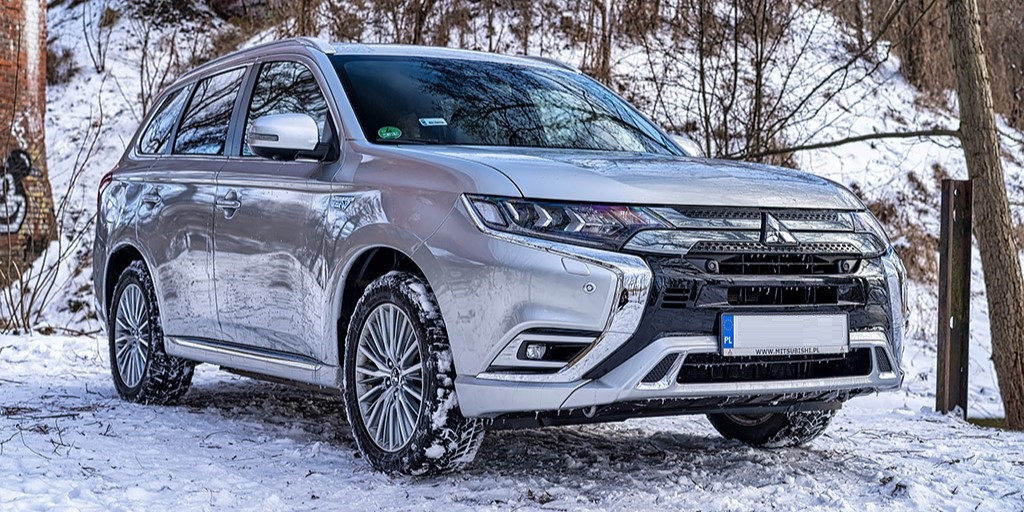
The Mitsubishi Outlander PHEV is a plug-in hybrid with a priority on electric driving, in which driver comfort is ensured by separate electrical systems that are independent of the internal combustion engine. One such system is the electric cabin heater, which is integrated into a complex multi-circuit cooling and heating system.
Repair process for the Mitsubishi Outlander hybrid heating system
The owner of a 2019 Mitsubishi Outlander PHEV contacted the STS service center in Warsaw with a problem of insufficient and unstable cabin heating. The malfunction was accompanied by incorrect behavior of the car while driving: the system often switched between electric mode and internal combustion engine for no apparent reason, which created the feeling of unstable operation of the power unit.
At first glance, the situation might have resembled a typical engine warm-up problem. However, in the case of PHEV architecture, the cause turned out to be much deeper and less obvious.
How the heating system works in the Outlander PHEV
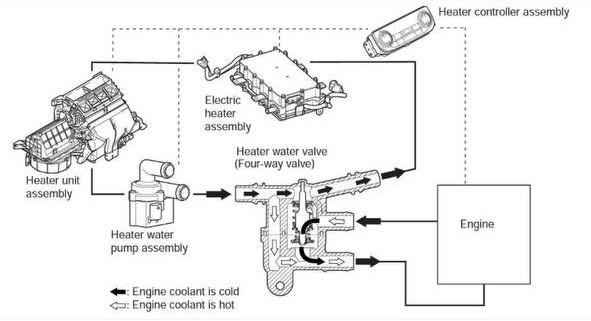
In the Mitsubishi Outlander PHEV, the interior heating at the initial stage of movement does not depend on the temperature of the internal combustion engine. For this purpose, an electric heater is used, which heats a separate heater circuit immediately after the car starts. This solution allows the driver to start moving immediately and enjoy a warm interior even when the internal combustion engine is still cold or not running at all.
Once the internal combustion engine reaches operating temperature, the system must:
- open the corresponding valve;
- start supplying heat from the engine to the cabin heater circuit;
- disconnect the electric heater as it is not needed at this stage.
This switching moment is critical for the stable operation of the entire system.
What went wrong
During diagnostics, STS technicians determined that switching between heating circuits was not working properly. In fact, the system was in an intermediate mode:
- at the start, the electric heater was working and providing heat in the cabin;
- after the engine warmed up, heat was not being supplied from the engine to the heater properly;
- the electric heater turned off, and the cabin began to cool down;
- after that, the heater turned on again, trying to compensate for the lack of heat.
As a result, the heater was actually operating in autonomous mode, constantly turning on and off, which created an unstable thermal load and indirectly affected the logic of the hybrid system.
Diagnostics and search for the cause
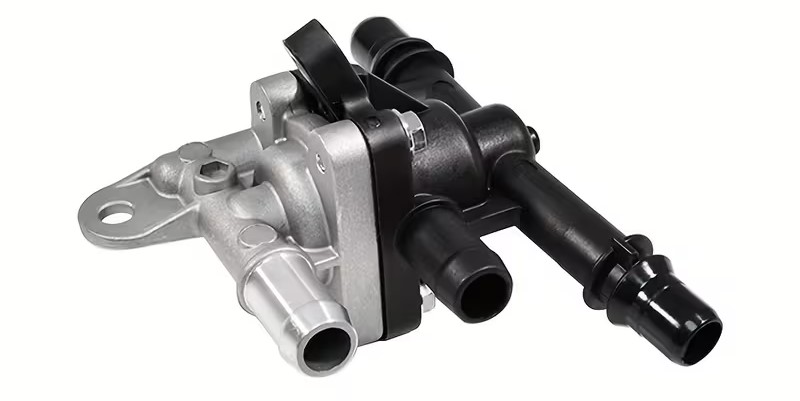
To accurately confirm the source of the problem, STS specialists conducted a detailed check of the heat flow control unit. After a series of tests and checks, it became clear that the problem was located in the thermostatic control unit of the heater circuit.
Important note: this part is not available separately as a replacement insert, but only as a complete unit.
- Heater thermostat (unit): 92486W000P
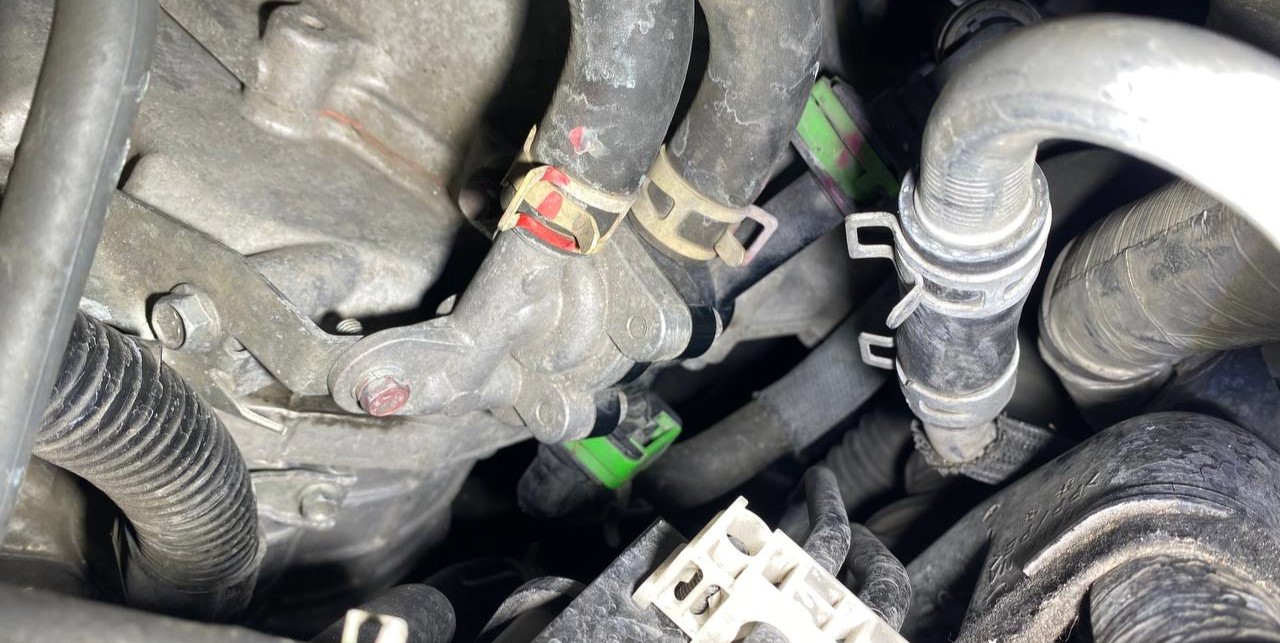
An additional complication arose during the selection of spare parts: due to the external similarity of the housings, another part was ordered —
- Cooling system filter: 7805A696,
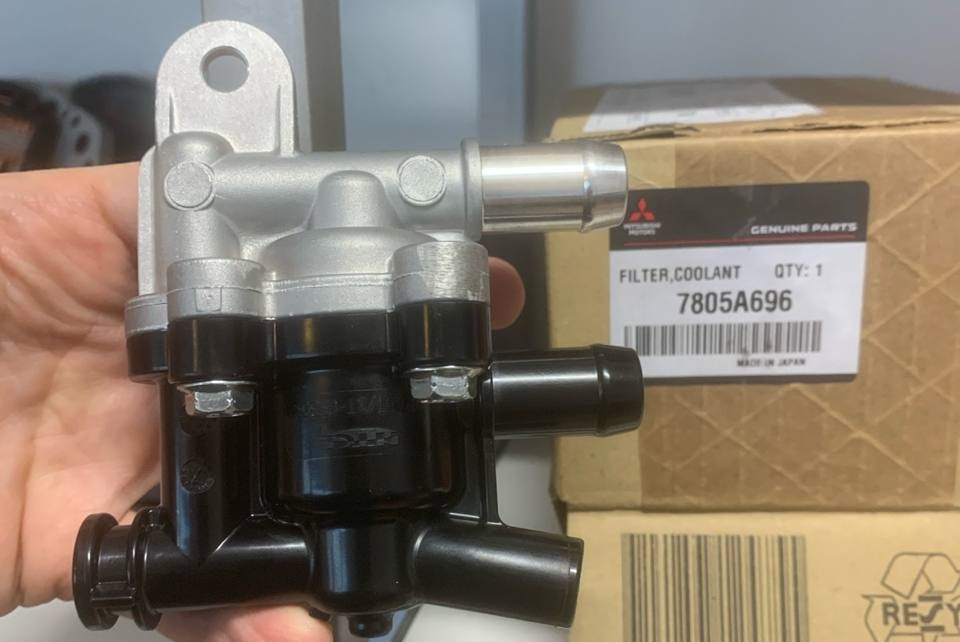
which is structurally unsuitable for this function.
Temporary solution
Since the customer needed the car for daily use and the correct part took time to deliver, STS technicians conducted experimental technical work to finally determine the source of the malfunction.
After confirming the cause, a temporary engineering solution was adopted, which allowed:
- stabilize the operation of the heating system;
- eliminate the cyclical switching on and off of the heater;
- return the car to its predicted operating mode until the original part is installed.
The solution is not standard and is used exclusively as a temporary measure until the unit is replaced with a new one.
What's next
Once the original 92486W000P unit is received, we plan to restore the factory configuration of the system with a full return to the correct logic of switching between electric heating and heat from the engine.
This case clearly demonstrates that in modern hybrid cars, problems can arise not because of the engine or battery, but because of the auxiliary systems responsible for comfort and thermal logic. In such cases, the standard approach to diagnostics does not work.
STS specialists in Warsaw demonstrated a systematic understanding of the principles of PHEV architecture, conducted an in-depth technical inspection, and were able to provide the customer with a working car even in difficult conditions with limited availability of spare parts.
New technologies complicate the design, but professionalism always remains the decisive factor.