



Mitsubishi i-MiEV: OBC/DC-DC Power Unit Repair and Key Programming
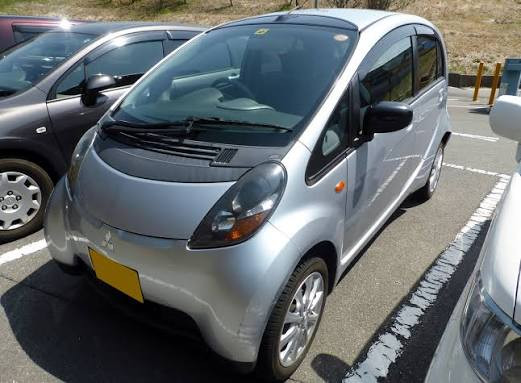
A 2012 Mitsubishi i-MiEV with 121,584 km on the odometer was brought to the STS.Electro workshop for repairs. It is one of the first mass-produced city electric cars, built on a shared platform with its counterparts, the Peugeot iOn and Citroën C-Zero. All three models share exactly the same power electronics architecture, including the electric motor, inverter, and a combined on-board charger (OBC) module with a DC-DC converter.
The Mitsubishi i-MiEV Repair Process: From Diagnostics to Component Replacement
The owner of the Mitsubishi i-MiEV found our workshop thanks to the portfolio on our website, which described one of our previous projects. While searching online for a solution to his problem, he came across a case study on the restoration of the pre-charge unit on a Peugeot iOn. Since these electric vehicles are technically identical, the owner was convinced of our experience with this platform and turned to the specialists at STS.Electro for help.
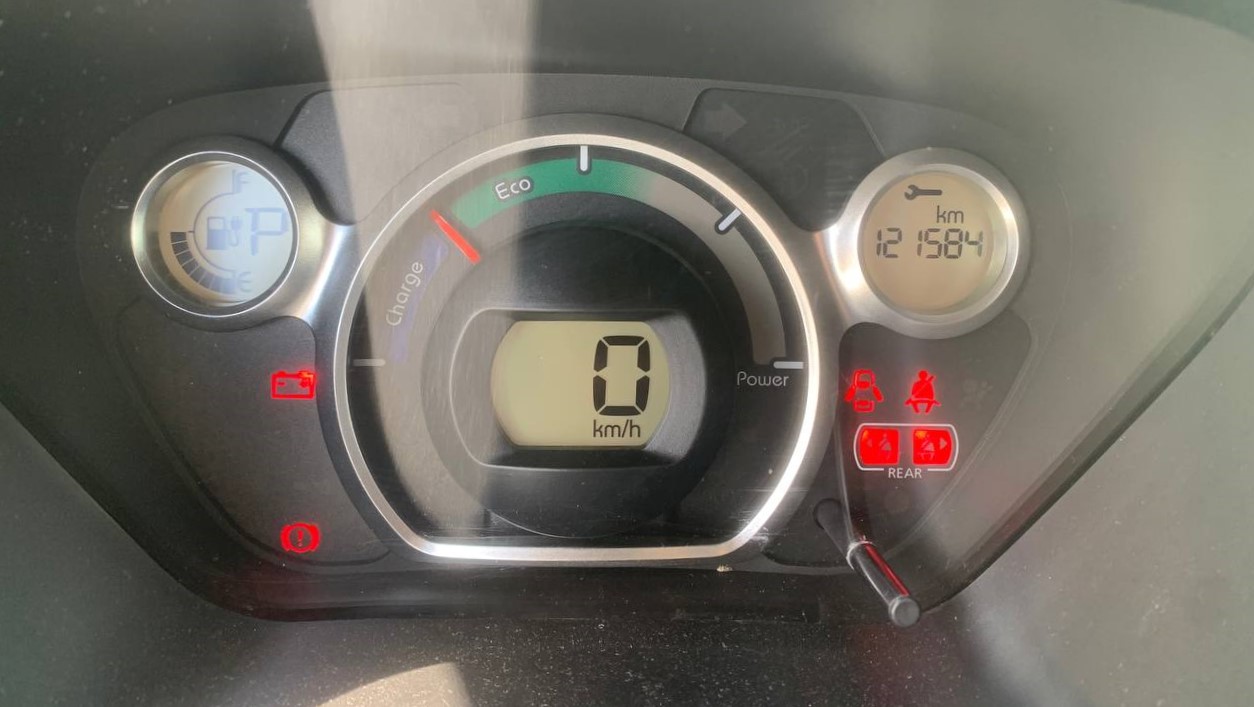
The reason for the initial inquiry was a chain reaction of malfunctions: the car had stopped charging the 12V battery, and an attempt to replace the fuse caused it to blow again. To determine the root causes, we performed a comprehensive scan of the car’s systems using the Autel MaxiSys MS909&EV diagnostic scanner.
The scan revealed 12 diagnostic trouble codes (DTCs):
- P0A09 - DC-DC converter malfunction (failure to step down high voltage to power the 12V battery).
- P1A12 - Emergency shutdown of the on-board charger (OBC).
- U1113 - Loss of CAN bus communication between the EV-ECU and associated modules.
- P0562, C1861, P1AF4 - Critical voltage drop in the 12V on-board power supply.
- C2006, C2022 – Brake system vacuum pump errors due to lack of 12V power.
- P0513, U1116 - Errors reading and identifying the immobilizer key and the KOS system.
- U1111 - Loss of CAN communication with the display and the ETACS unit.
- P1A4C – Interphase voltage fault in the high-voltage battery controller (BMU).
After analyzing the error codes, our engineers proceeded with troubleshooting and repair work.
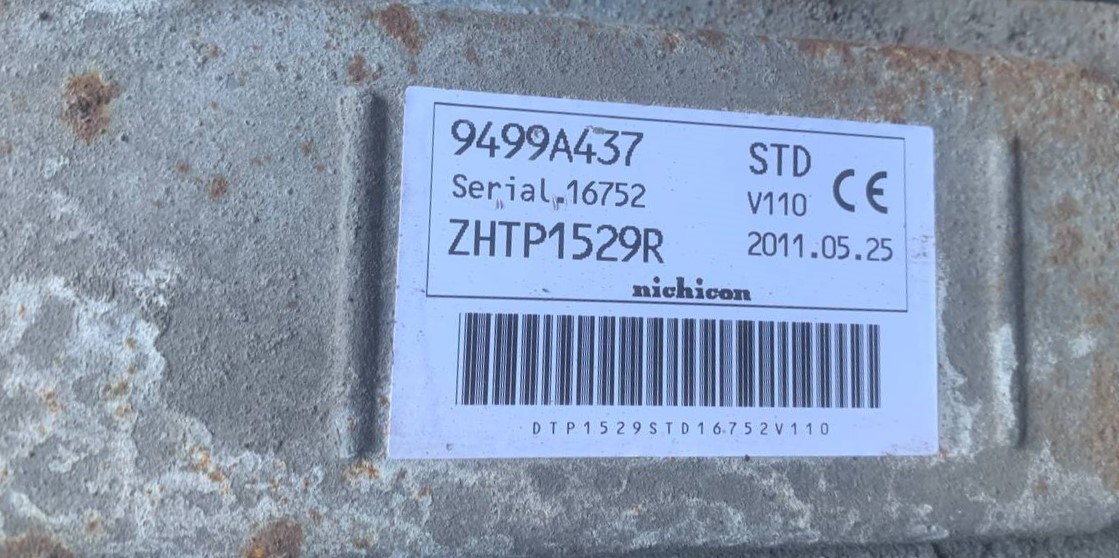
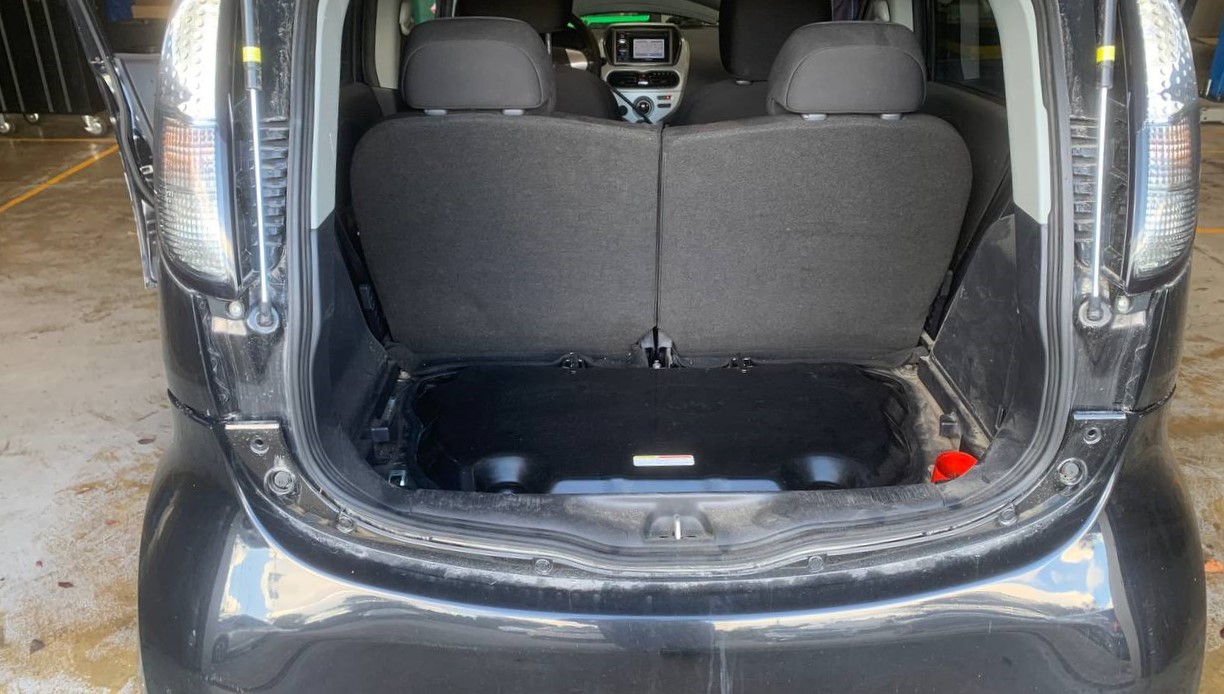
The combined OBC and DC-DC converter module is located under the trunk floor. This vehicle is equipped with components bearing the following OEM part numbers: 9499A437 (module part number ZHTP1529R from Nichicon) and 9499A620 (serial number CF1101007445 from Meidensha Corporation).
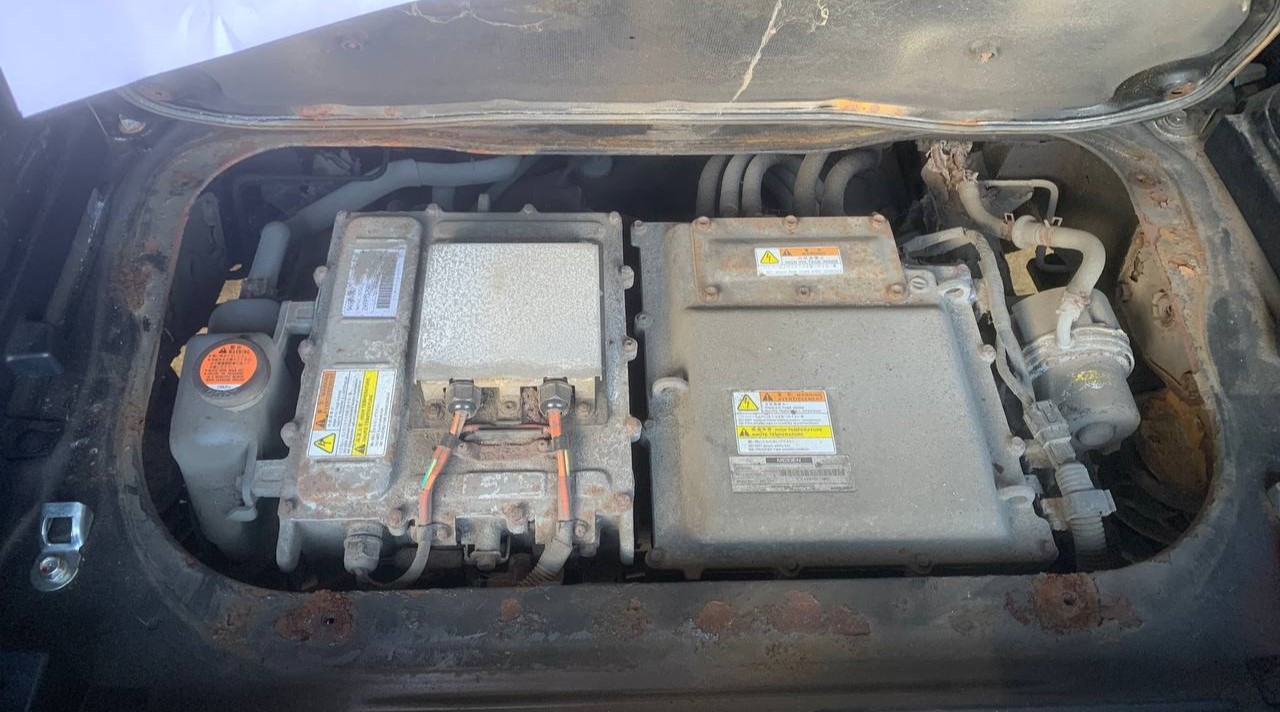
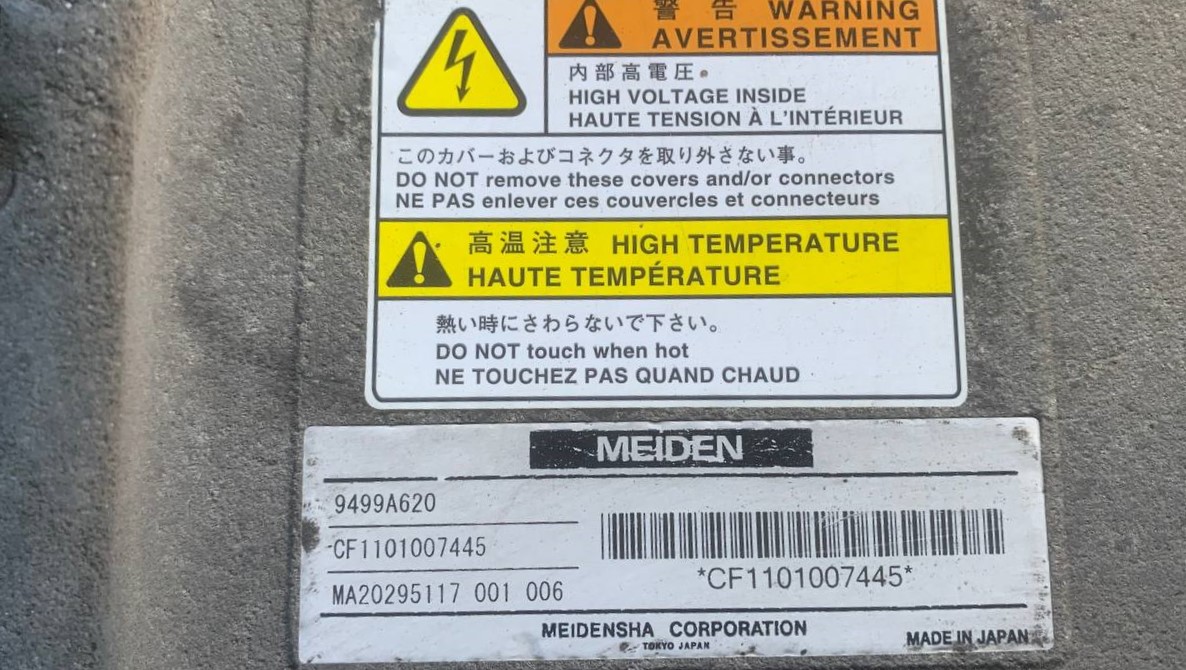
To completely eliminate the root cause of the failure and restore the electric vehicle to working order without a costly component replacement, our specialists carried out a comprehensive series of repair procedures:
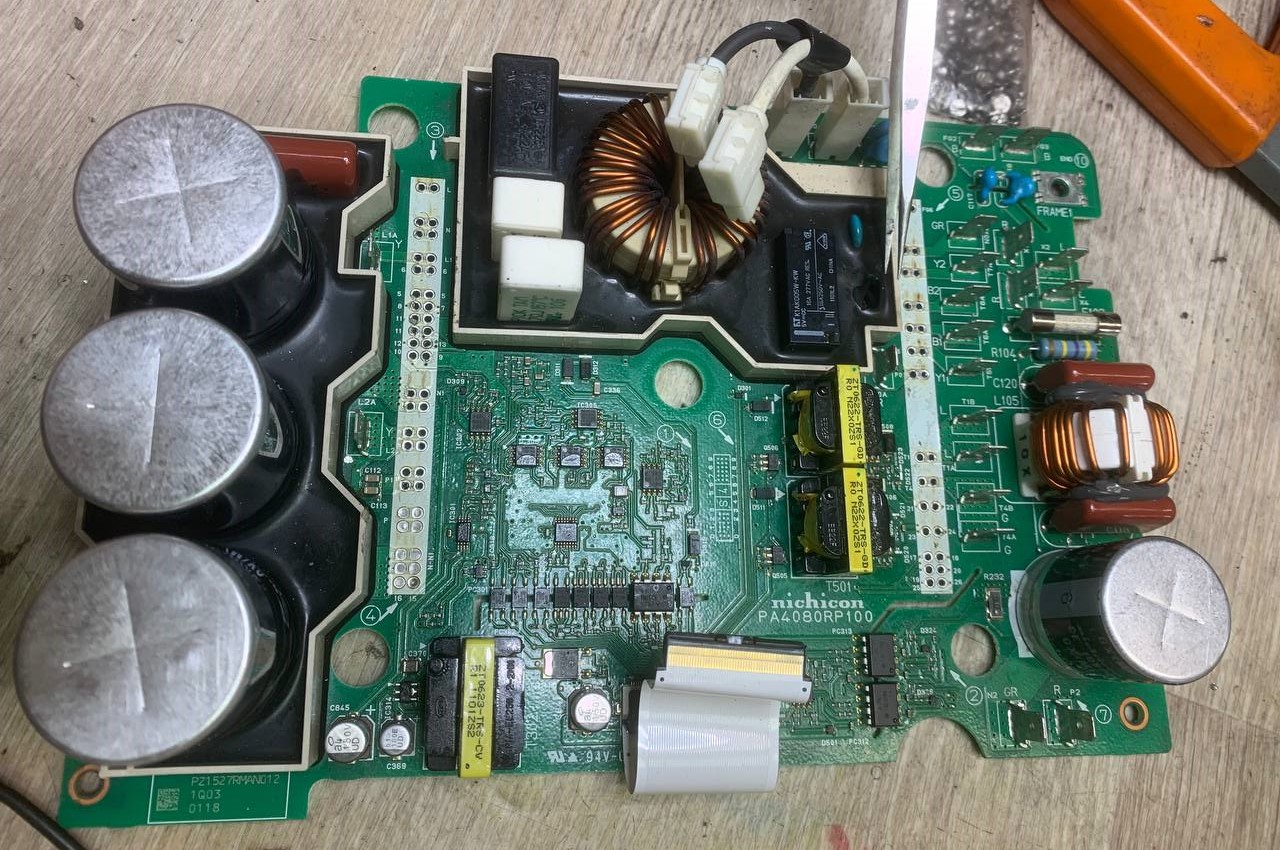
- Safe removal and diagnostic testing: Technicians completely de-energized the high-voltage system and adhered to all safety requirements for working with high voltage. After removing the unit and disassembling it in a laboratory setting, a thorough diagnostic test of the circuit board was conducted. The diagnostic testing revealed that the power transistors had failed and the filter capacitor had burned out—it was this internal short circuit that caused the new fuse to blow instantly during attempts to replace it.
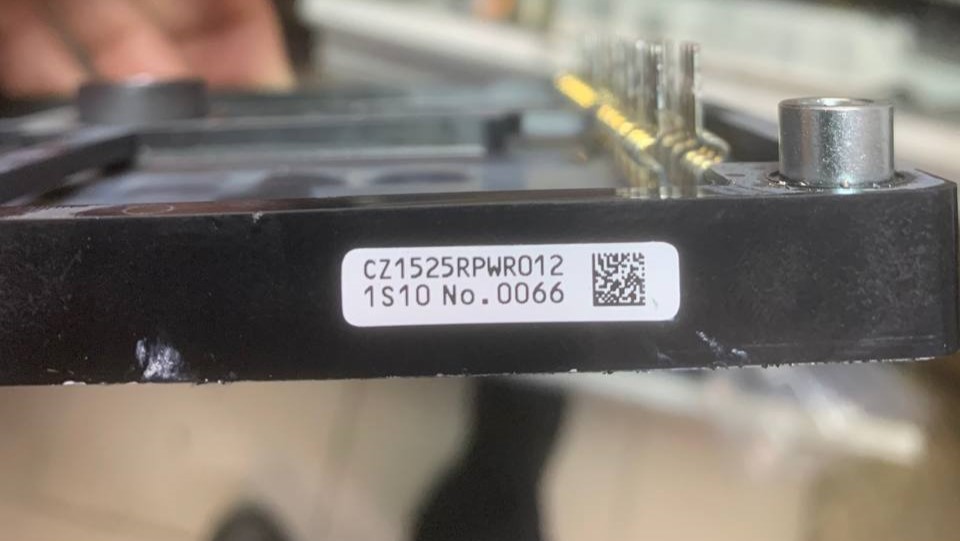
- Component-level repair of the circuit board: The Nichicon power board (PA4080RP100 / PZ1527RMAN012) and the CZ1525RPWR012 power module were repaired. Technicians identified a burned-out high-voltage ceramic capacitor (1 nF / 3 kV) that was causing the short circuit. The burnt-out component, damaged power transistors, and protective components were replaced with new original parts with similar operating parameters (CK45-E3DD102ZYVNA), after which a new high-voltage fuse with the required rating was installed.
- Key Programming: Using diagnostic equipment, the radio channel of the key fob was programmed and linked to the KOS and ETACS modules.
- Assembly and Testing: The housing and liquid cooling circuit were checked for leaks; the DTC memory was cleared; and final testing under load was performed.
After completing all procedures, the vehicle is once again operating flawlessly, ensuring stable 12V battery charging and proper engine startup.
Need diagnostics or repairs for your electric vehicle?
The STS.Electro laboratory performs professional fault diagnosis and component repair of power electronics for electric vehicles and hybrids of any complexity. We refurbish OBC units, DC-DC converters, inverters, and high-voltage batteries, and we recalibrate electronic control units.
Don’t rush to buy or replace expensive complete assemblies—trust the restoration to our experienced specialists!
Schedule a diagnostic check at STS.Electro today. We’ll get your electric vehicle back in working order quickly, with high-quality service and a warranty on the work performed!