



Recovering a Fiat 500e (2020) high-voltage battery after a deep discharge
FIAT 500e
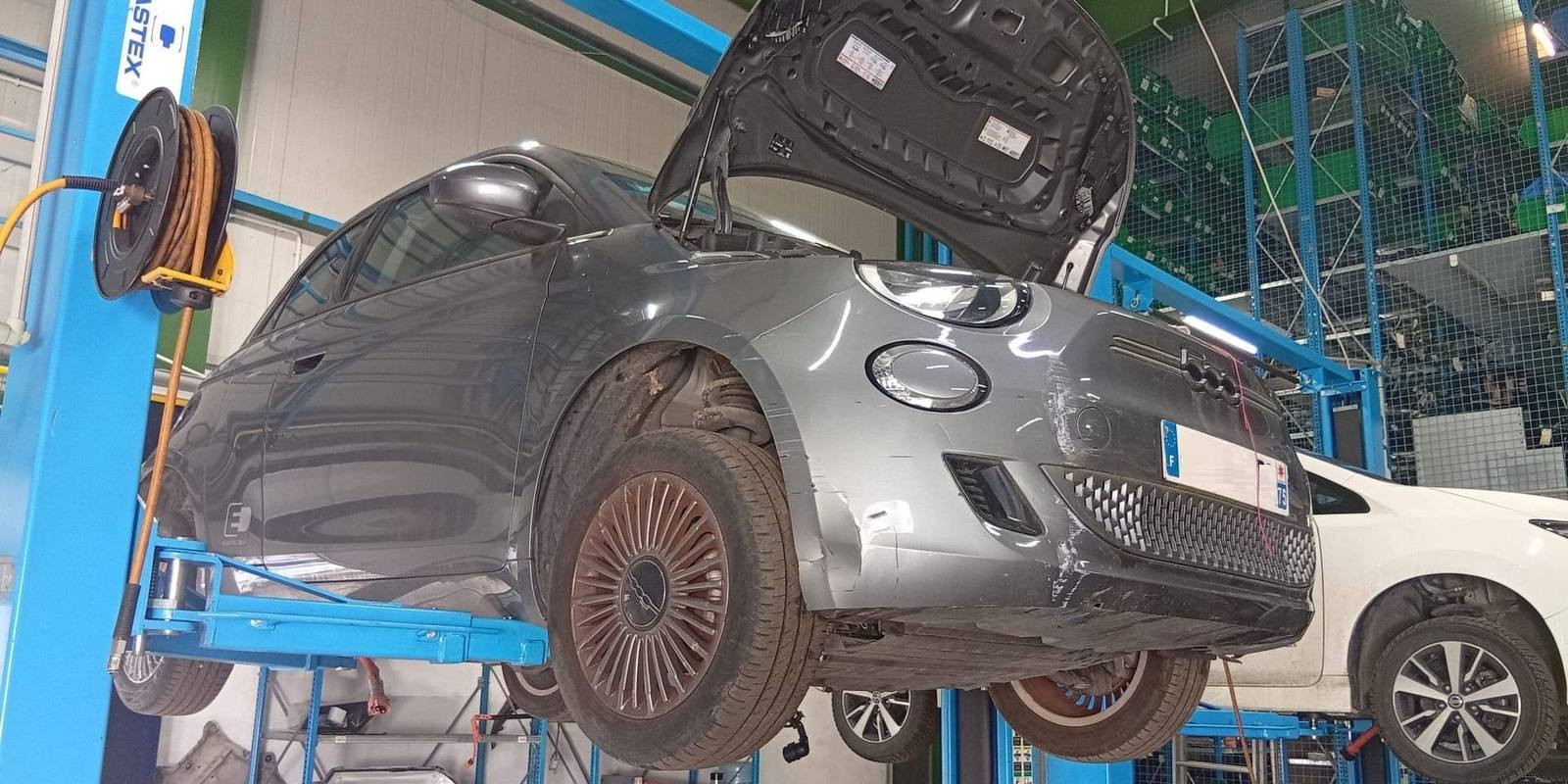
Repair process of the Fiat 500e electric vehicle (2020)
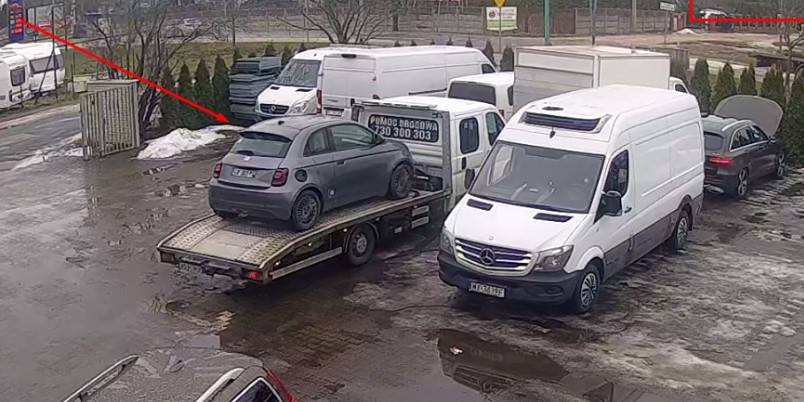
The Fiat 500e electric vehicle, manufactured in 2022 with a mileage of 34,500 km, was delivered to the STS workshop. The car had been purchased by the client at a French auction and had license plates from the city of Paris.
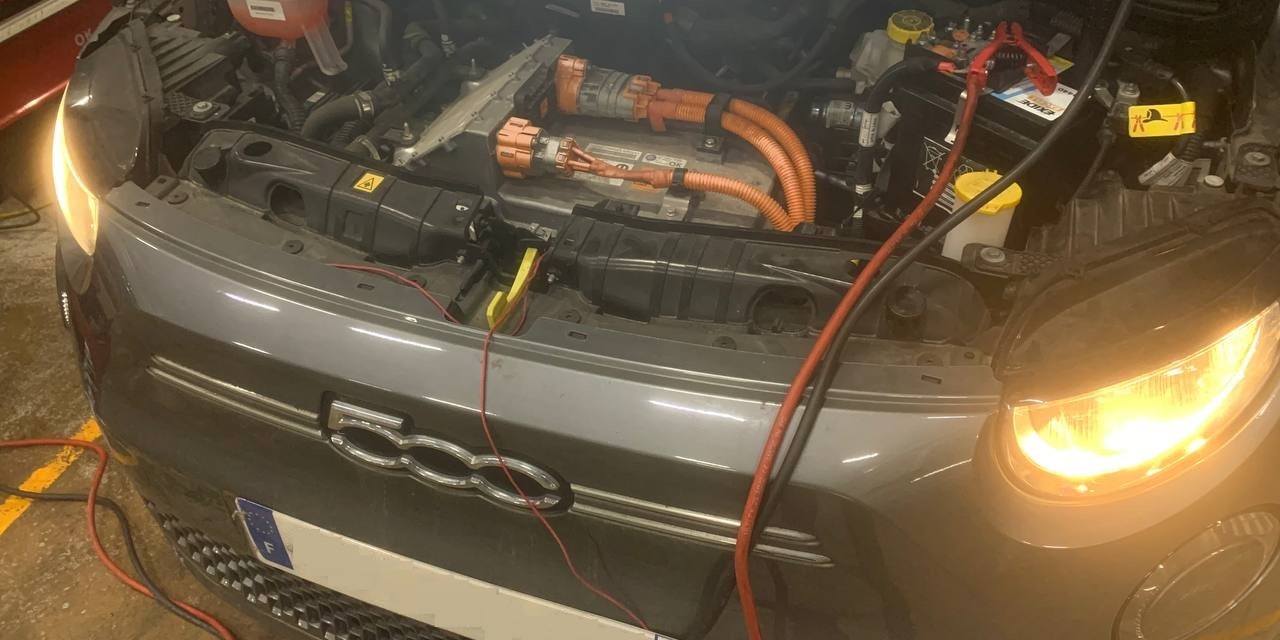
The main problem was a completely discharged high-voltage battery (HVB). The charge level was effectively zero, which caused the battery management system (BMS) to enter deep protection mode. In this condition, the electric vehicle:
- does not start;
- does not accept charging from the charging station;
- blocks the operation of the high-voltage system.
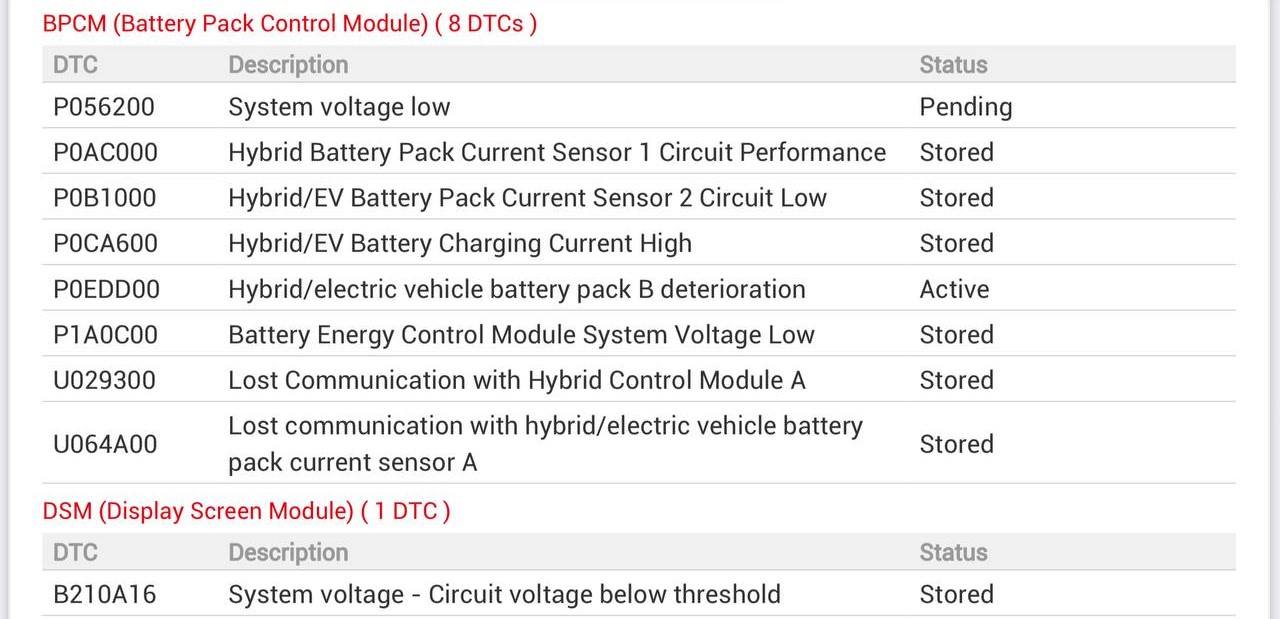
In addition, the battery controller generated a number of critical errors that are not recorded in the standard memory dump, but are only logged in the overall software recovery system.
Battery Pack Control Module (BPCM) - 8 DTC
| Code | Description | Status |
| P056200 | Low system voltage | Pending confirmation |
| P0AC000 | Traction battery current sensor circuit No. 1 malfunction | Stored |
| P0B1000 | Low signal level in traction battery current sensor circuit No. 2 | Stored |
| P0CA600 | Excessive charging current of the traction battery | Stored |
| P0EDD00 | Deterioration of section B of the traction battery | Active |
| P1A0C00 | Low voltage in the battery energy control module system | Stored |
| U029300 | Lost communication with hybrid system control module A | Stored |
| U064A00 | Lost communication with the traction battery current sensor | Stored |
Additionally, another error was recorded in the display module:
Display Screen Module (DSM) - 1 DTC
| Code | Description | Status |
| B210A16 | System voltage – circuit voltage below the permitted threshold | Stored |
This set of fault codes is typical for situations when the high-voltage battery is in a deep discharge state, and the battery management system switches to protection mode and blocks the operation of the electric vehicle.
Features of the new-generation Fiat 500 battery
The second generation of the electric Fiat 500, introduced in 2020, has a different battery design compared to the previous generation of the model.
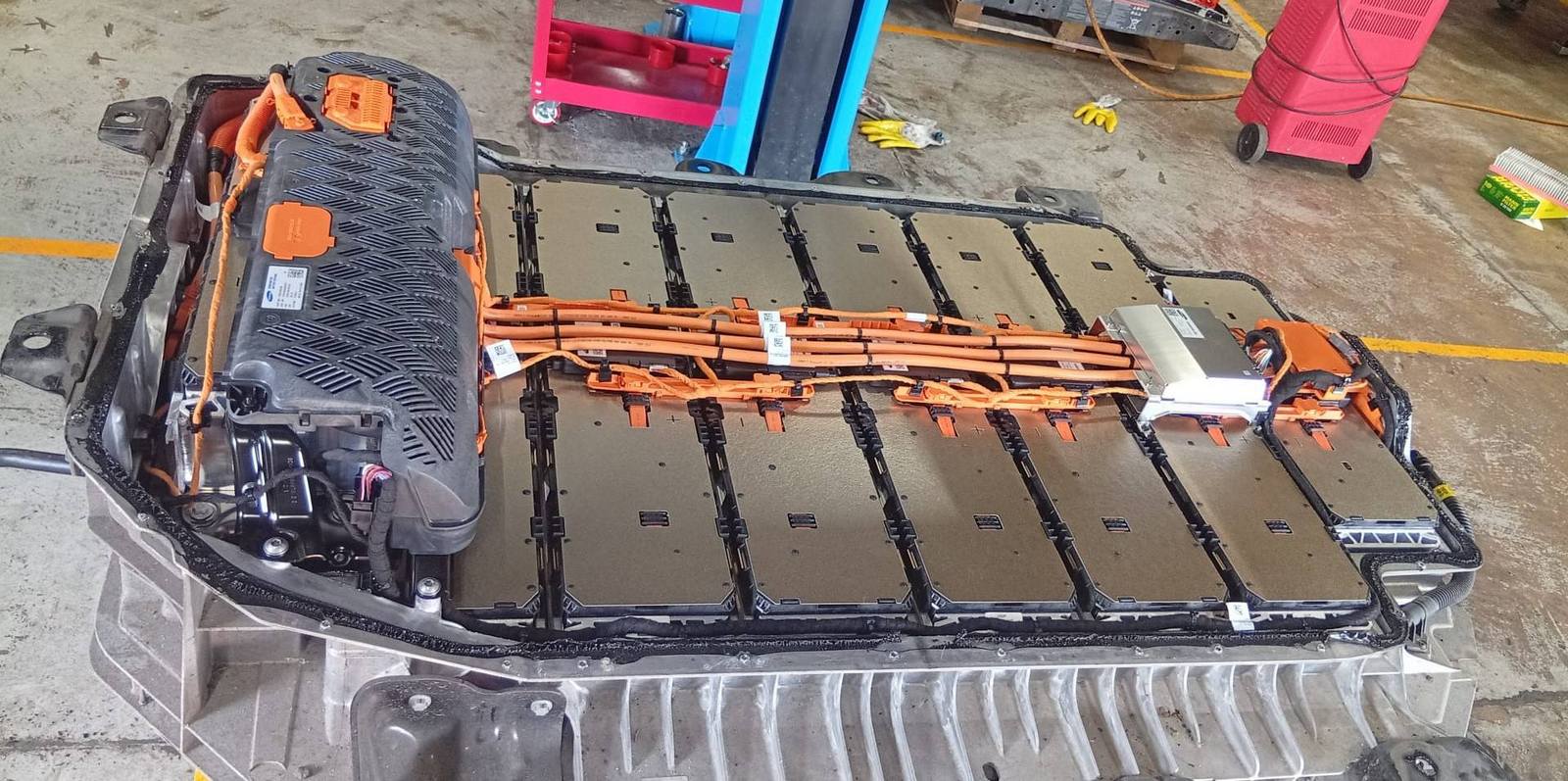
The high-voltage battery here performs not only an energy function but also partially serves as a structural rigidity element of the vehicle body. This is particularly important for the Trepiuno modification with a 3+1 door configuration, where the right passenger door opens in the opposite direction — exactly such a vehicle arrived at our workshop.
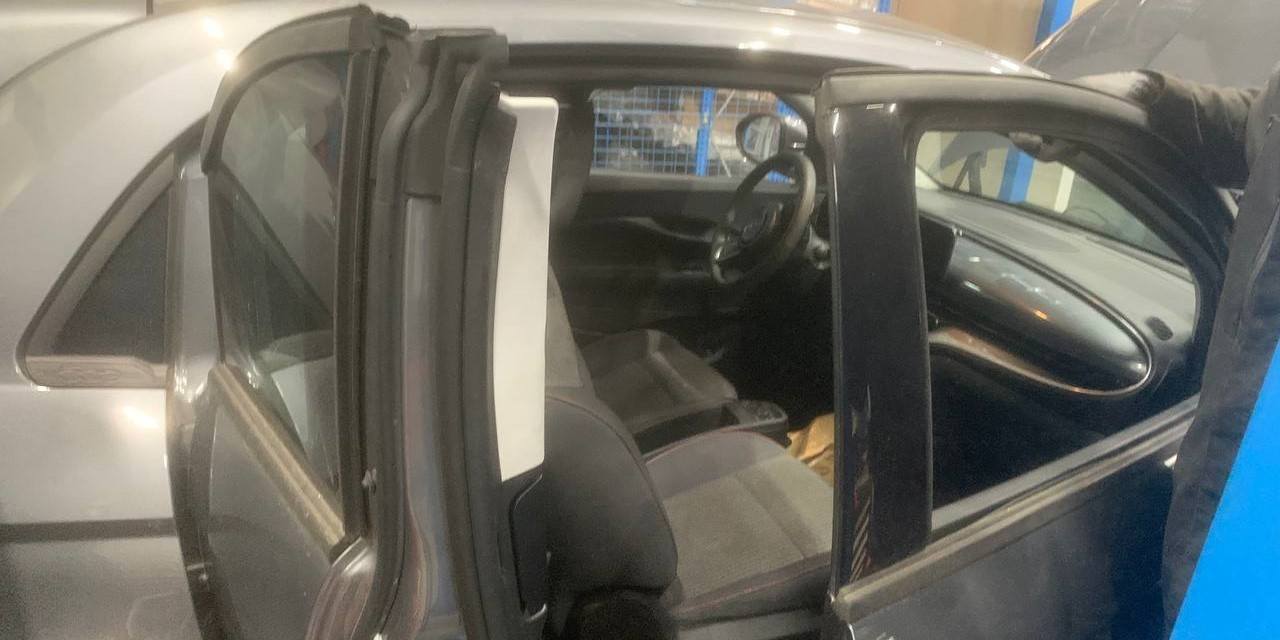
Despite the design complexity, the new generation has an important advantage for repairs: to remove the battery, it is no longer necessary to remove the rear suspension beam.
This significantly:
- reduces repair time;
- lowers the cost of work;
- simplifies access to the assembly.
However, the HV battery of this generation has a significant drawback: the manufacturer positions it as non-disassemblable and non-repairable. The supply of individual components is not предусмотрено:
- battery modules;
- internal cables;
- auxiliary components.
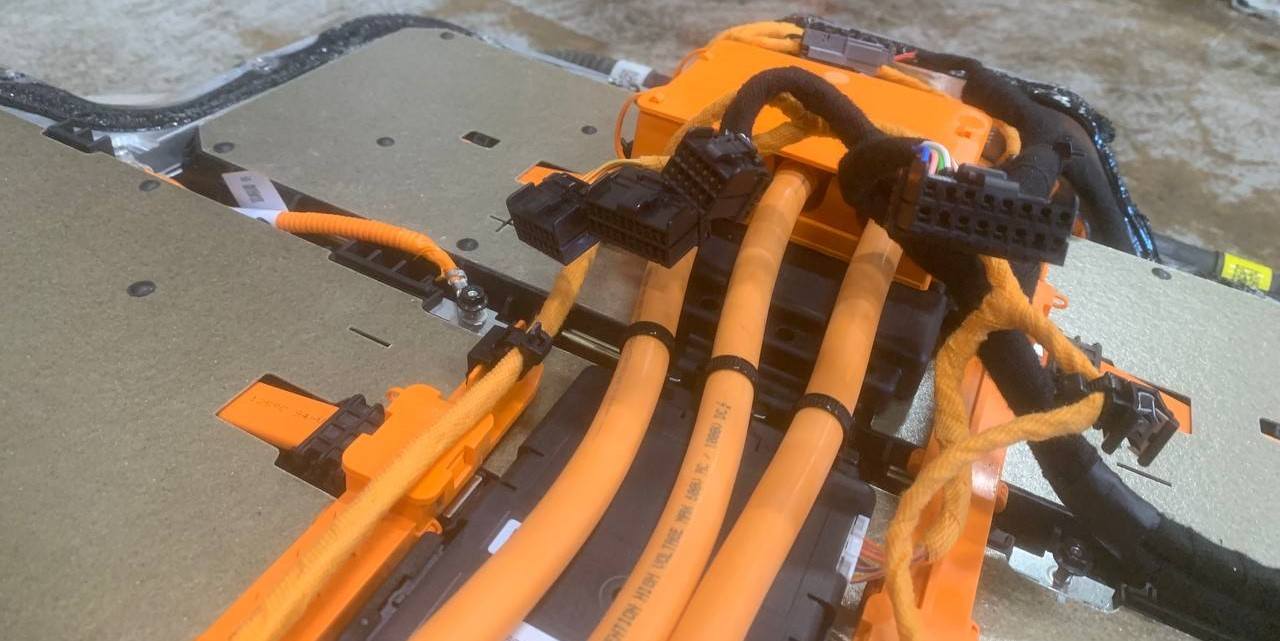
In such cases, official dealers usually offer a complete battery replacement, which is one of the most expensive repairs for an electric vehicle.
After the initial diagnostics, the client was informed about the possibility of restoring the BMS and bringing the battery out of deep discharge at STS, along with the estimated cost. However, he decided to contact an official service center.
There, several unsuccessful attempts were made to update the battery software, after which the standard conclusion was issued: a complete replacement of the high-voltage battery is required.
After that, the vehicle returned to the STS workshop again.
High-voltage battery OEM numbers
The following OEM numbers of the battery pack are used for the Fiat 500e electric vehicle (2020):
- 6000636657
- 71799125
- 71799126
- 71799127
The following item may also appear in catalogs:
Traction battery - ricondizionato classe D (reconditioned traction battery).
BMS and modules
This electric vehicle is equipped with a battery management system manufactured by
Samsung SDI.
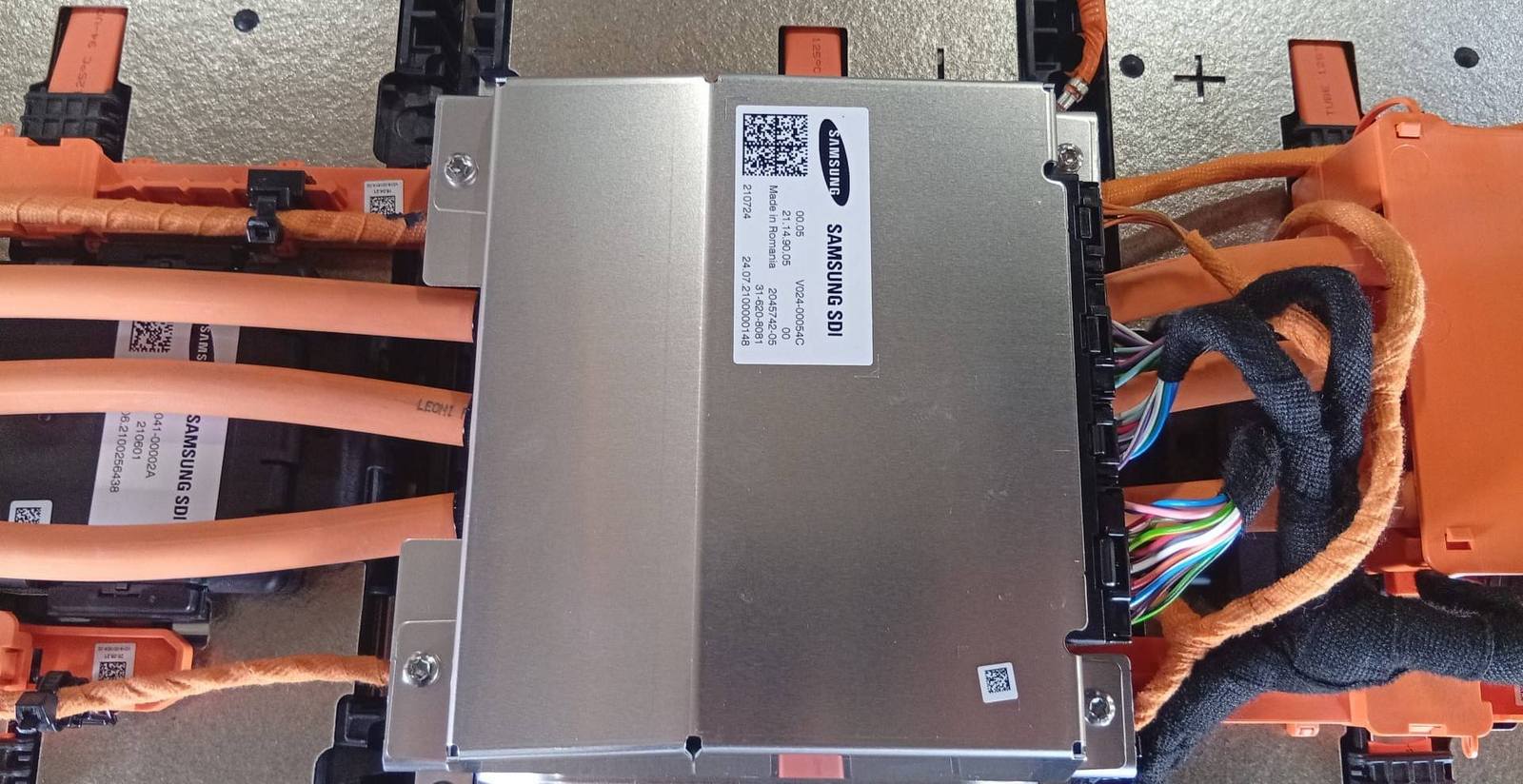
The battery modules are also manufactured by this company. Similar battery systems are used in many electric vehicles produced after 2018.
In particular, they can be found in models from brands such as Volvo, Land Rover, Jaguar as well as in a number of other modern electric vehicles and hybrids.
Thanks to experience working with similar battery systems, STS specialists regularly perform diagnostics and restoration of high-voltage batteries, even if the manufacturer does not provide for their repair.
Factors that complicated the restoration process
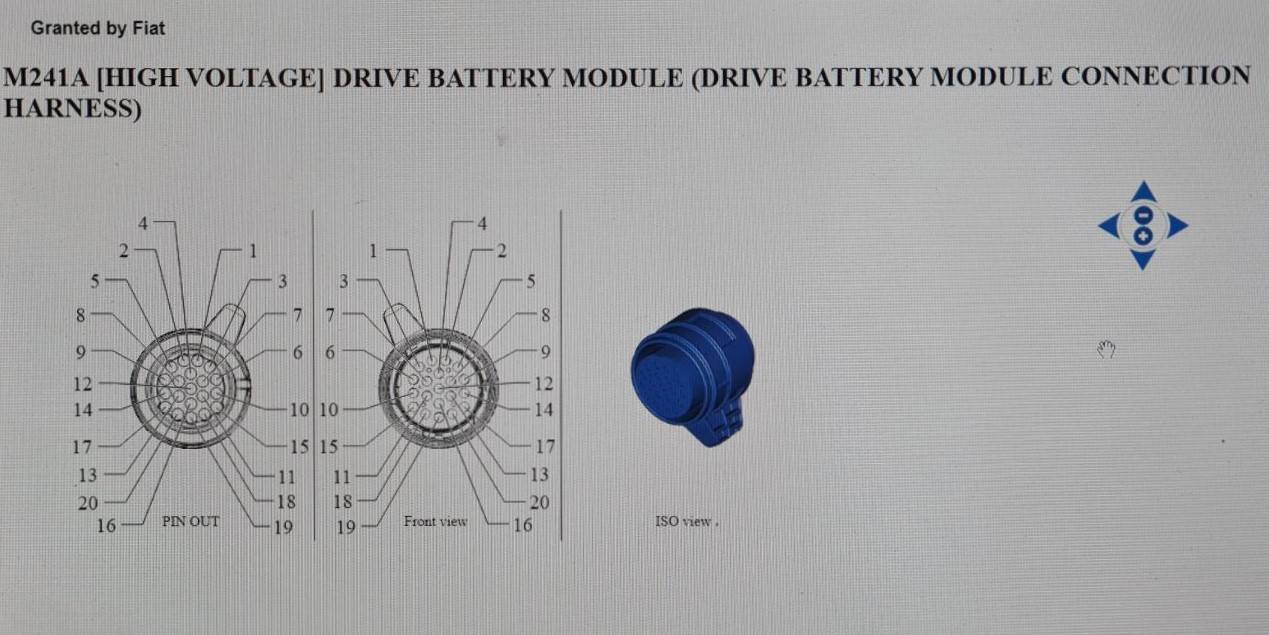
The most difficult stage was finding the correct wiring diagram for connecting to the BMS.
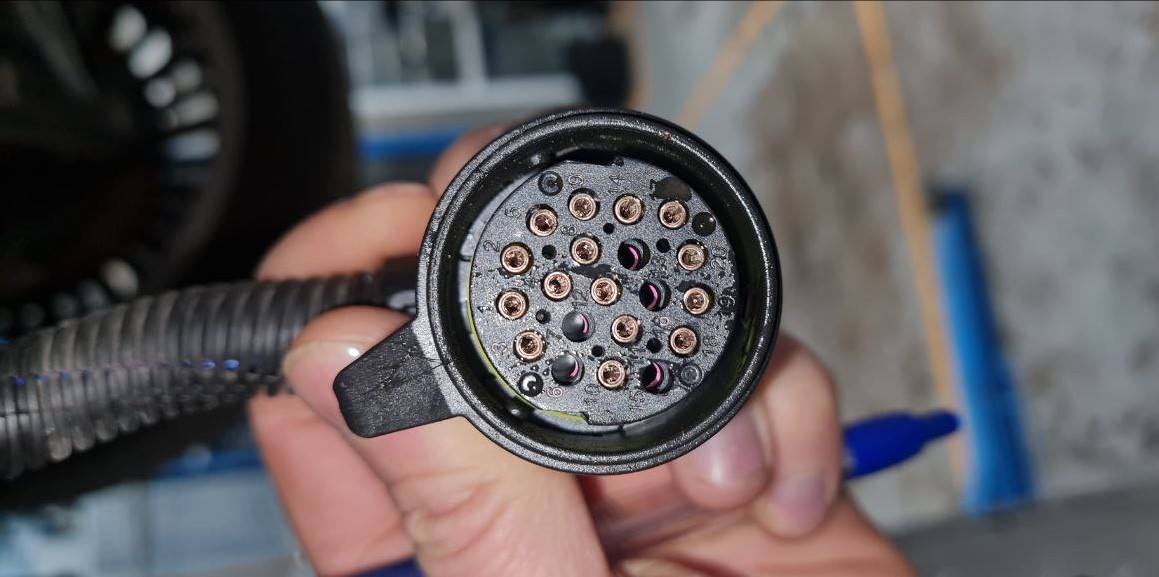
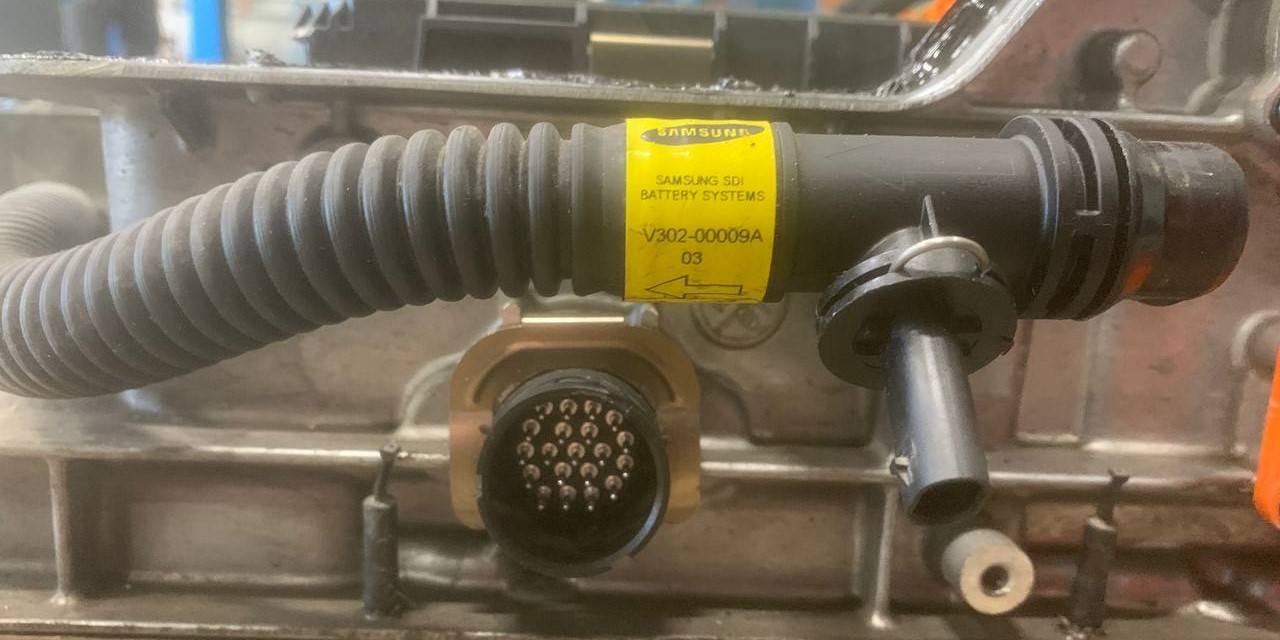
To begin working with the battery, it was necessary to accurately determine:
- polarity;
- pinout of the contacts;
- connection points to the battery management system.
Due to limited availability of technical documentation, finding this data took considerable time. Only after the STS specialists were able to accurately determine the required connection parameters was it possible to proceed to the next stage of the work.
Battery restoration
After determining the correct connection, the high-voltage battery was connected to a specialized test bench.
The specialists then performed:
- controlled battery charging;
- cell balancing;
- restoration of proper BMS operation;
- elimination of the critical deep discharge error.
During the process, the indicator system confirmed the restoration of the battery pack functionality.
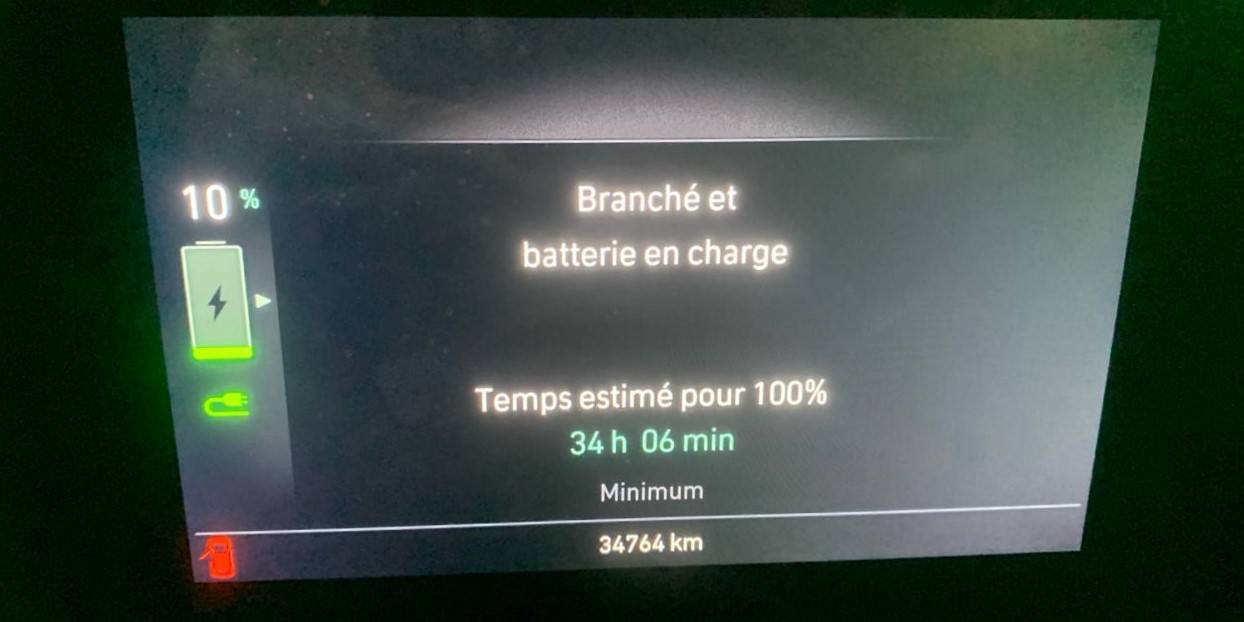
As a result, the high-voltage battery began to accept charging normally again, and the electric vehicle returned to full working condition.
Repair result
Despite the fact that the manufacturer does not provide for battery repair for this model, STS specialists were able to:
- restore the operation of the BMS;
- bring the battery out of deep discharge;
- restore the functionality of the high-voltage system.
As a result of the work performed, the high-voltage battery was successfully brought out of the deep discharge state, after which it began to accept charging normally again. The electric vehicle regained the ability to start and undergo further diagnostics, and the client avoided an expensive battery replacement.
After the battery was fully charged, STS specialists carried out system testing to ensure stable operation. During this check, several additional errors were detected that require further analysis and additional work.
Therefore, the story of this vehicle does not end here — the continuation of the repair and new technical details of this case are still ahead.