



Eliminating antifreeze leakage inside the Tesla Model S electric motor
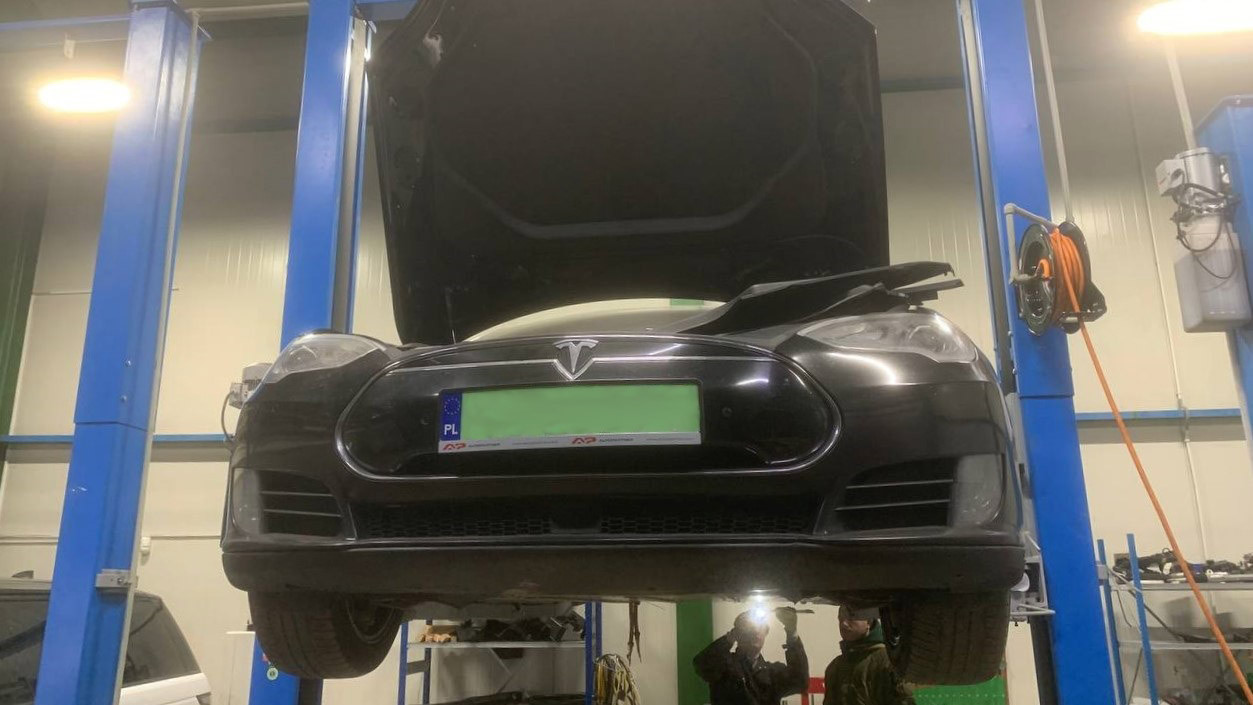
What does antifreeze do in a Tesla electric motor?
In a serviceable electric car, nothing—it shouldn't be there. Antifreeze is not a working medium for a Tesla electric motor and should not get inside it. It is used in the thermal control system of the power electronics and related components and passes next to the motor, but not through it. Therefore, the presence of coolant inside the electric motor is always the result of a malfunction, not a design or operating feature.
How the repair was carried out
The owner of a 2016 Tesla Model S contacted us with complaints about power unit errors and incorrect system operation. Initial diagnostics indicated a problem with insulation, which was the basis for a detailed inspection and subsequent disassembly of the electric motor.
Cause of the malfunction
The cause of the antifreeze getting inside the electric motor was the loss of elasticity of the Teflon seal installed in the motor cover.
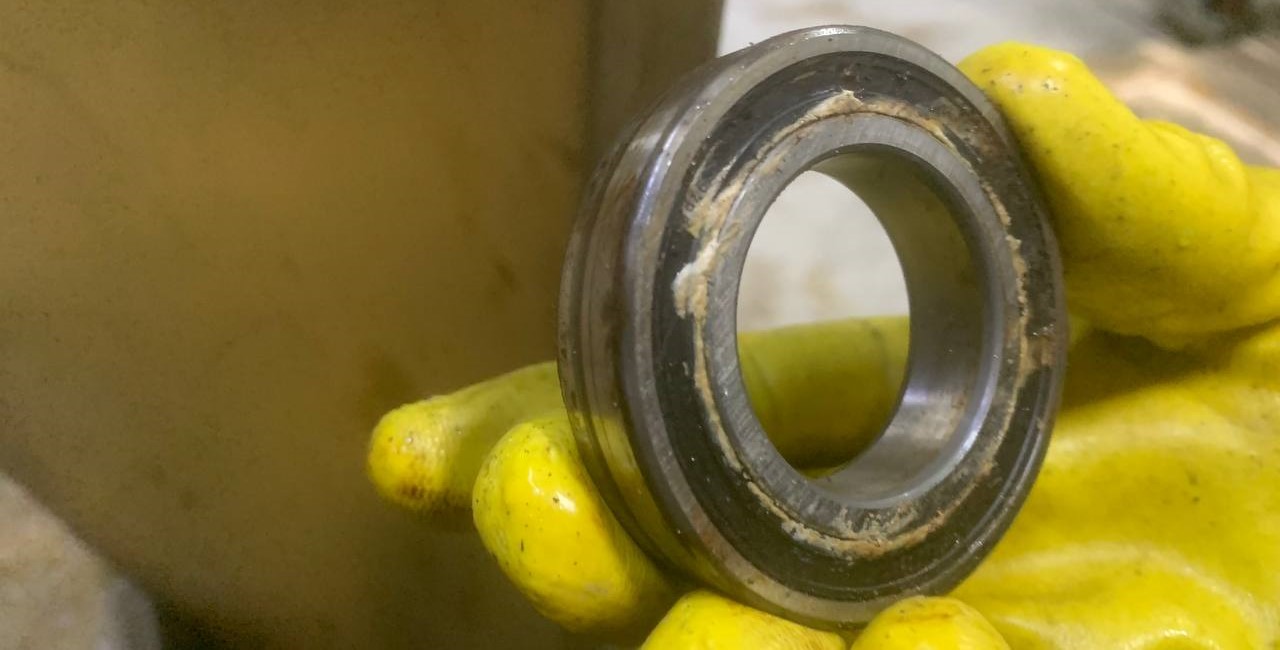
Over time and mileage, the seal wears out, and cold starts create additional load – an electric car does not need to warm up, and full torque is available immediately.
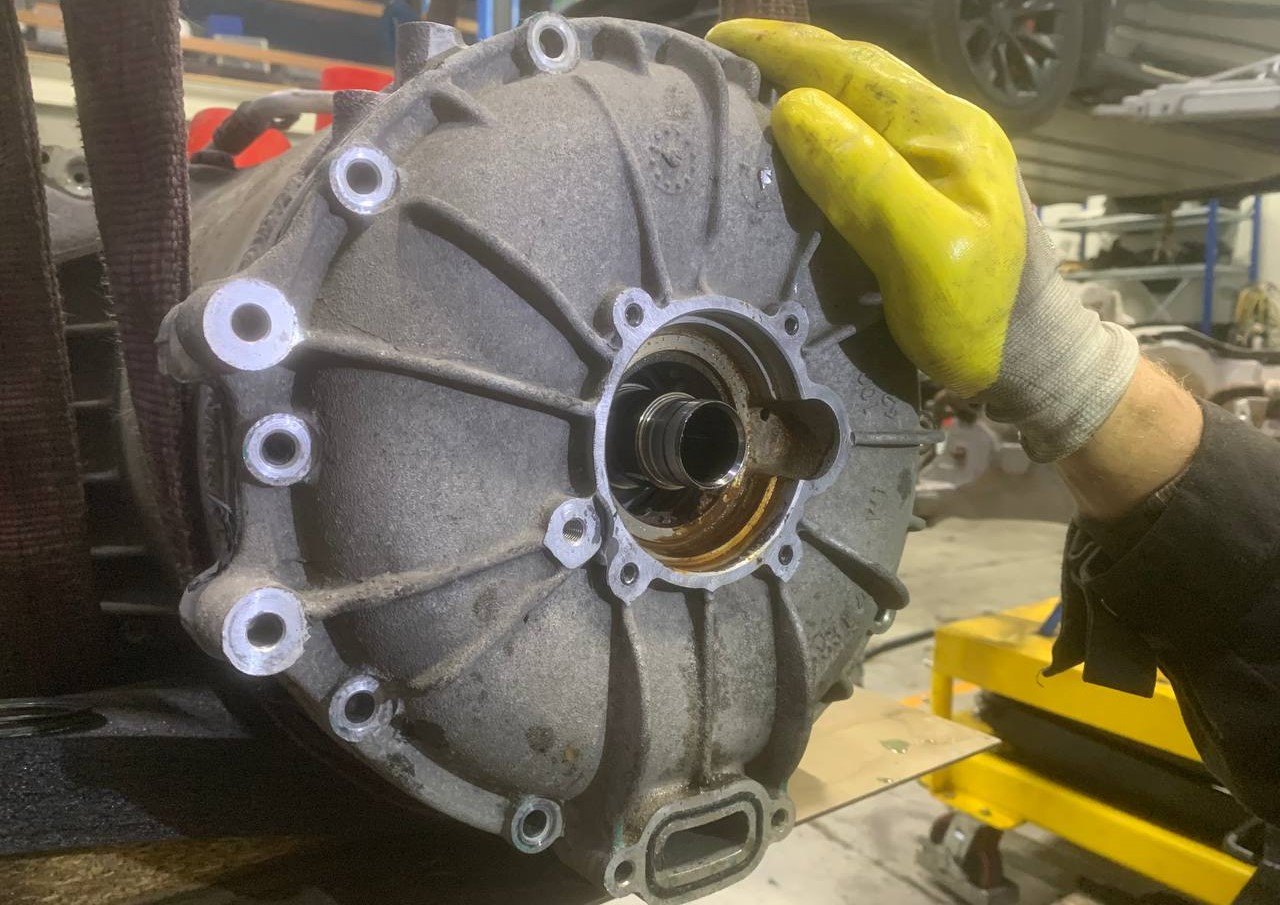
As a result, even a minor coolant leak causes it to penetrate the interior of the motor.
Why the problem quickly becomes critical
This electric motor does not have a standard drainage system, so even a minor leak leads to the accumulation of antifreeze inside the housing. As a result:
- fluid accumulates inside the housing with no way out;
- the driver does not see the leak;
- antifreeze comes into contact with the windings, rotor, and electronics.
Although the motor can operate with this problem for quite a long time, without intervention, this situation can lead to corrosion, reduced insulation resistance, and short circuits.
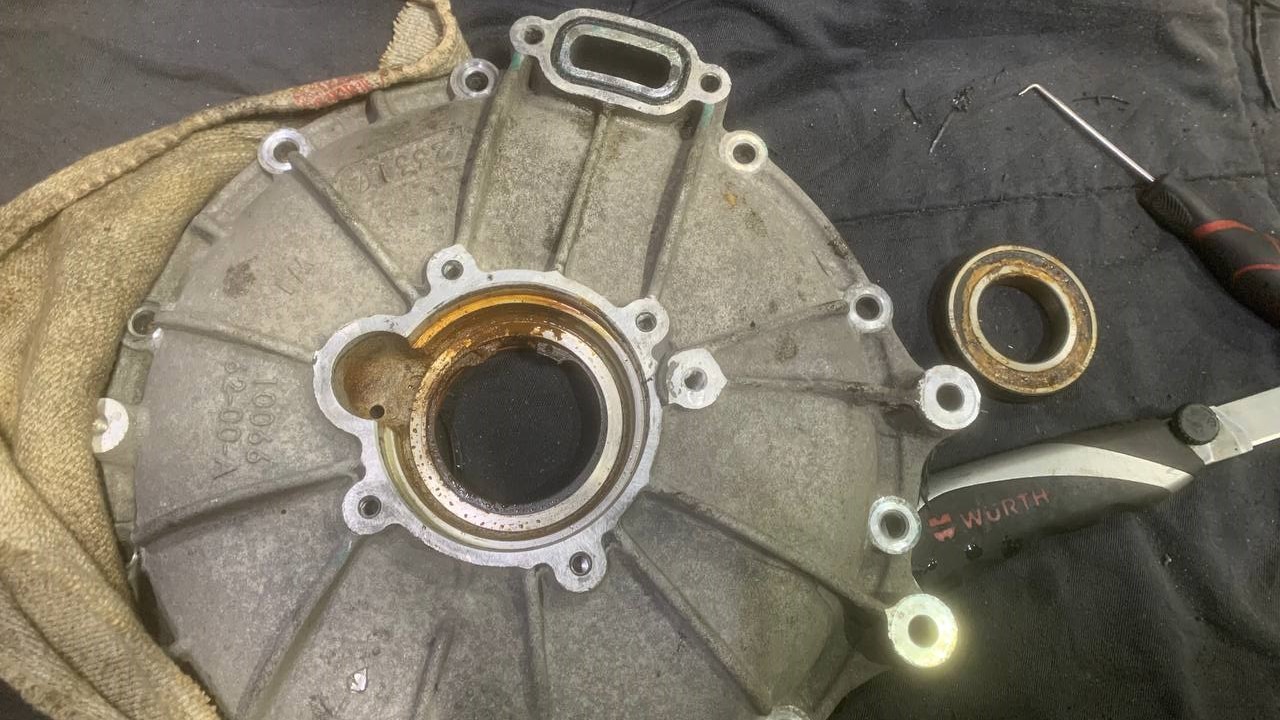
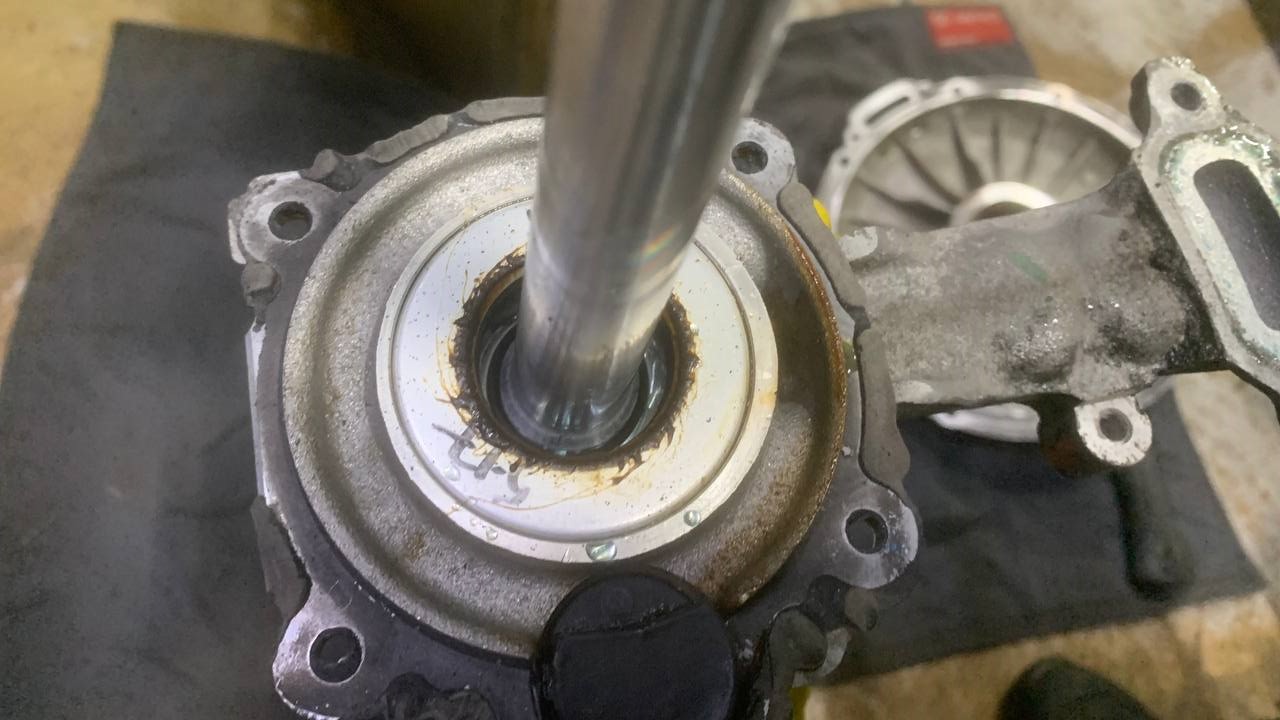
Work performed at the STS workshop
During the repair, the following was performed:
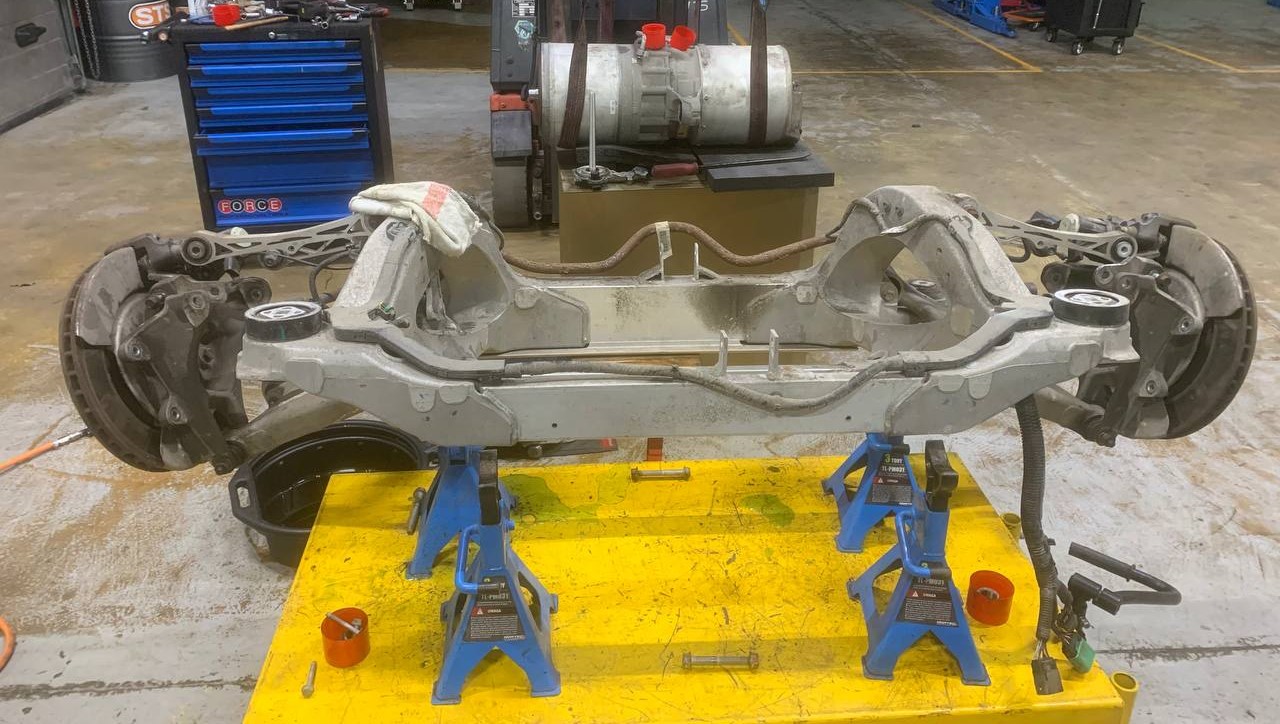
- complete disassembly of the electric motor;
- cleaning of internal components from antifreeze and corrosion products;
- replacement of the oil seal and inspection of bearings;
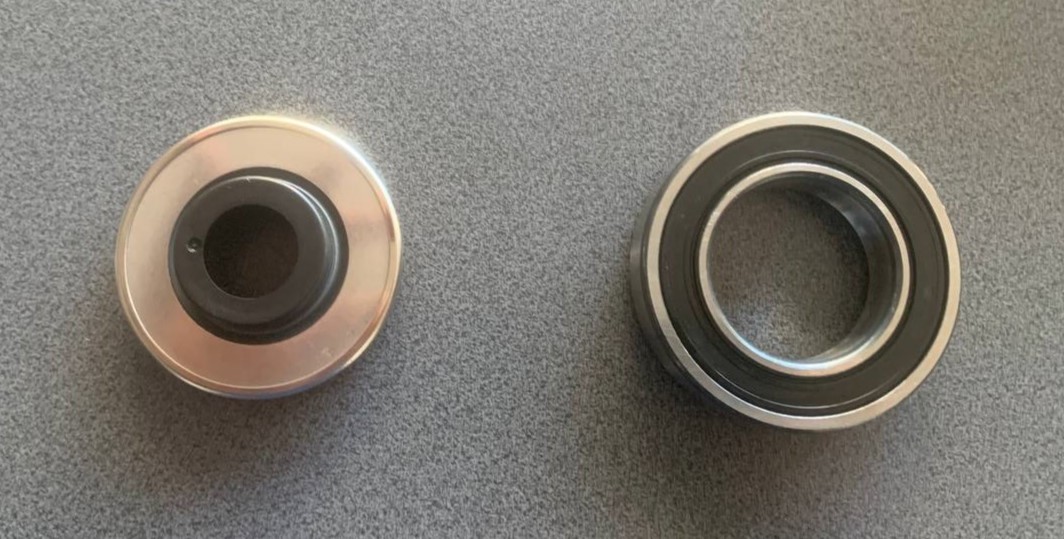
- restoration of the unit's tightness;
- implementation of a drainage hole – a mandatory preventive operation that STS applies to all electric motors of this type that come in for repair;
- assembly of the unit in compliance with factory tolerances.
Drainage allows the coolant to immediately flow out, where the leak will be immediately noticeable in case of a repeated loss of tightness.
Post-repair inspection
After installing the electric motor on the car, a control check was carried out under operating conditions. No signs of repeated antifreeze leakage were found, the system is working stably, and there are no errors.
The car was handed over to the owner.
Where else is this electric motor used?
The electric motor, known as Tesla Base, is installed on several electric vehicle models, namely:
- Tesla Model S
- Tesla Model X
- Mercedes-Benz B250 Electric Drive
- Toyota RAV4 EV (second generation)
Despite differences in layout and power, the basic design of the unit is the same, and therefore the problems, nature of malfunctions, and causes of their occurrence are the same.
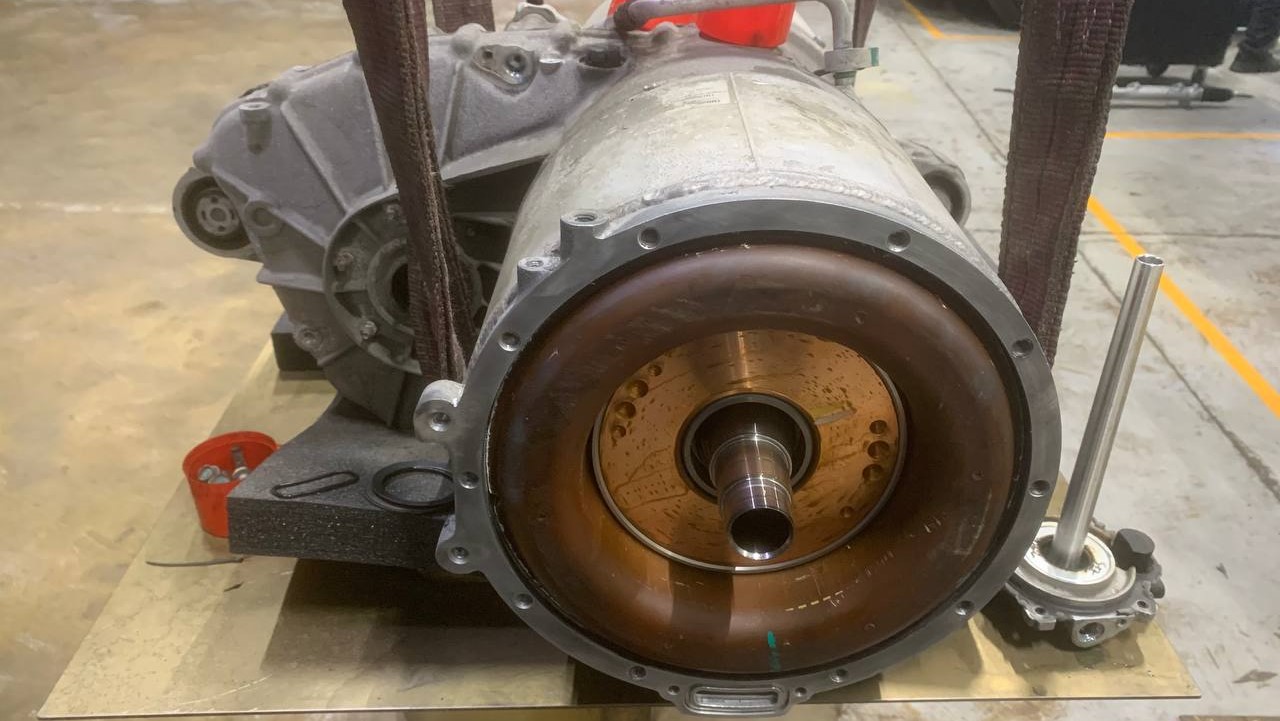
Antifreeze is not a working medium for electric motors, neither in Tesla nor in other electric or hybrid cars. Its ingress into the motor always indicates a loss of tightness and requires technical intervention.
The STS workshop (Warsaw) specializes in repairing electric motors for electric and hybrid cars of various brands. Experience in dealing with such malfunctions allows us not only to eliminate the consequences, but also to perform preventive modifications that reduce the risk of repeated failures and extend the service life of power units.