



Mercedes-Benz EQC - sharp reduction in range and switching to limited power mode
MERCEDES-BENZ EQC
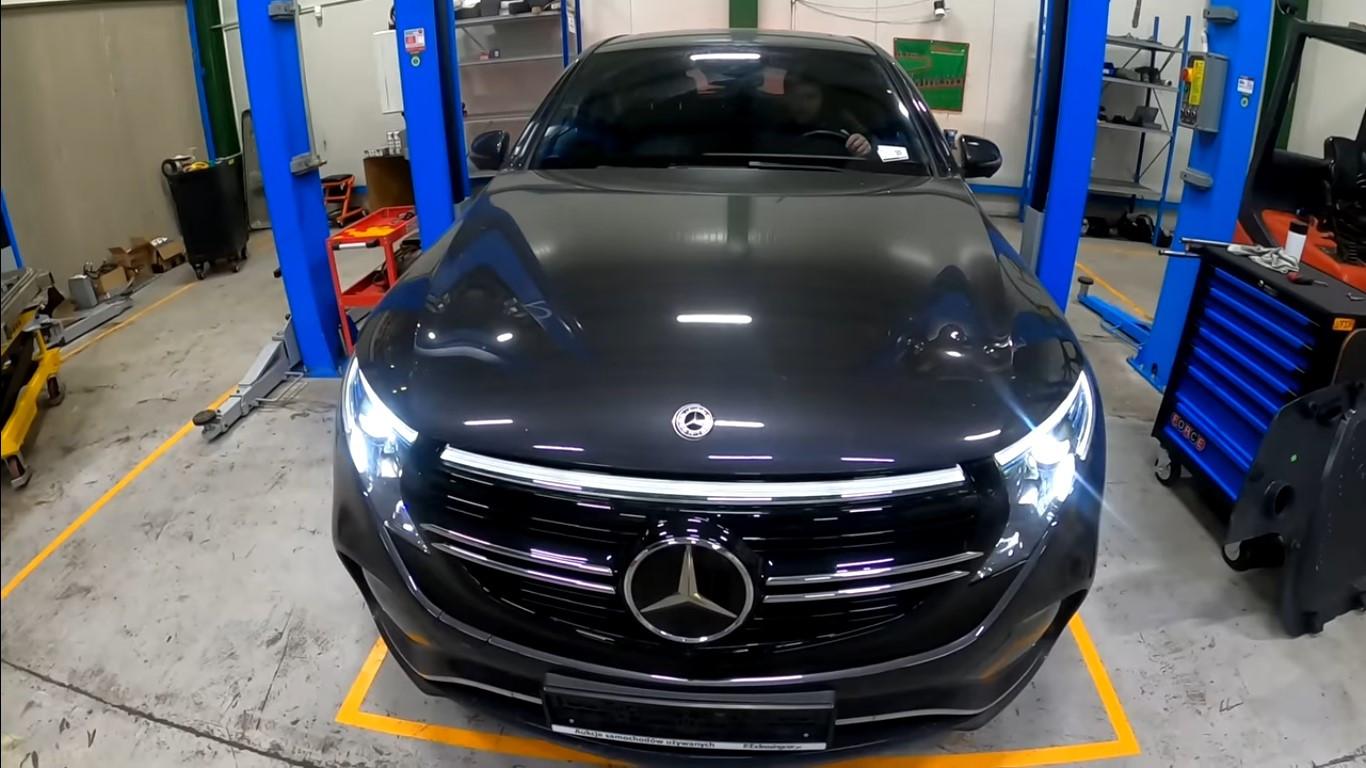
A Mercedes EQS with a mileage of almost 165 thousand km came to us. The customer's main complaint was that at a certain point the power reserve indicator on the dashboard dropped sharply - the car was recalculating it disproportionately. Indeed, with a charge level of just over half, the remaining mileage, according to the electronics, was only 78 km (while in a fully charged, serviceable car, it should exceed 400).
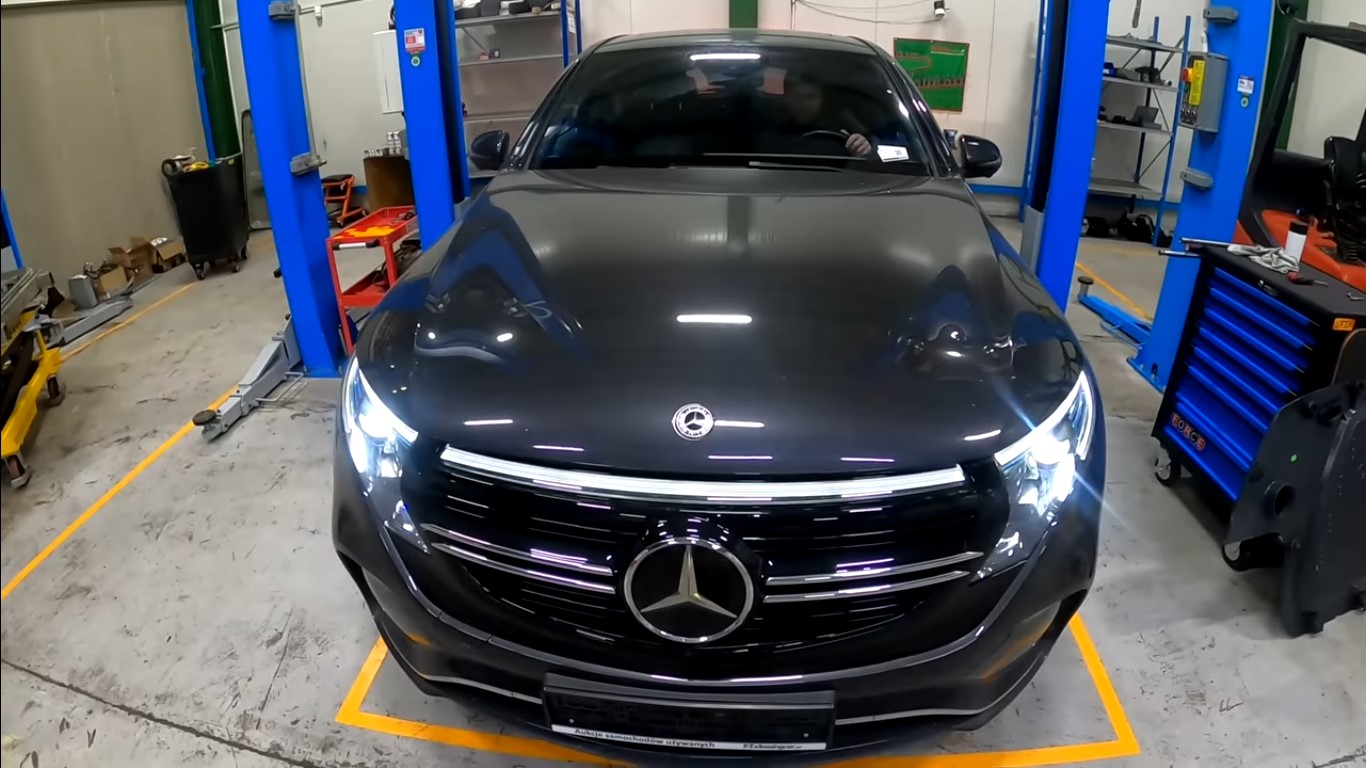
And that's not all the problems. The car also «falls into the turtle»: it stops delivering full power and works in emergency mode. The client contacted the official Mercedes-Benz service, but they offered to change the battery over the phone, even without diagnostics. The car has already had a lot of mileage, so it was not a warranty case, and he would have had to buy it at his own expense. The estimated cost is about $17-18 thousand, which is unprofitable for a used car.
STS is not so radical, so it is always ready to meet the client's needs. We decided to diagnose the electric car's battery and find the most effective and, if possible, inexpensive way to repair it.
It should be noted that this Mercedes-Benz model has a very complex battery pack. There are two batteries in one case - or rather one, but divided into two parts. Accordingly, there are also two BMS (battery management systems).
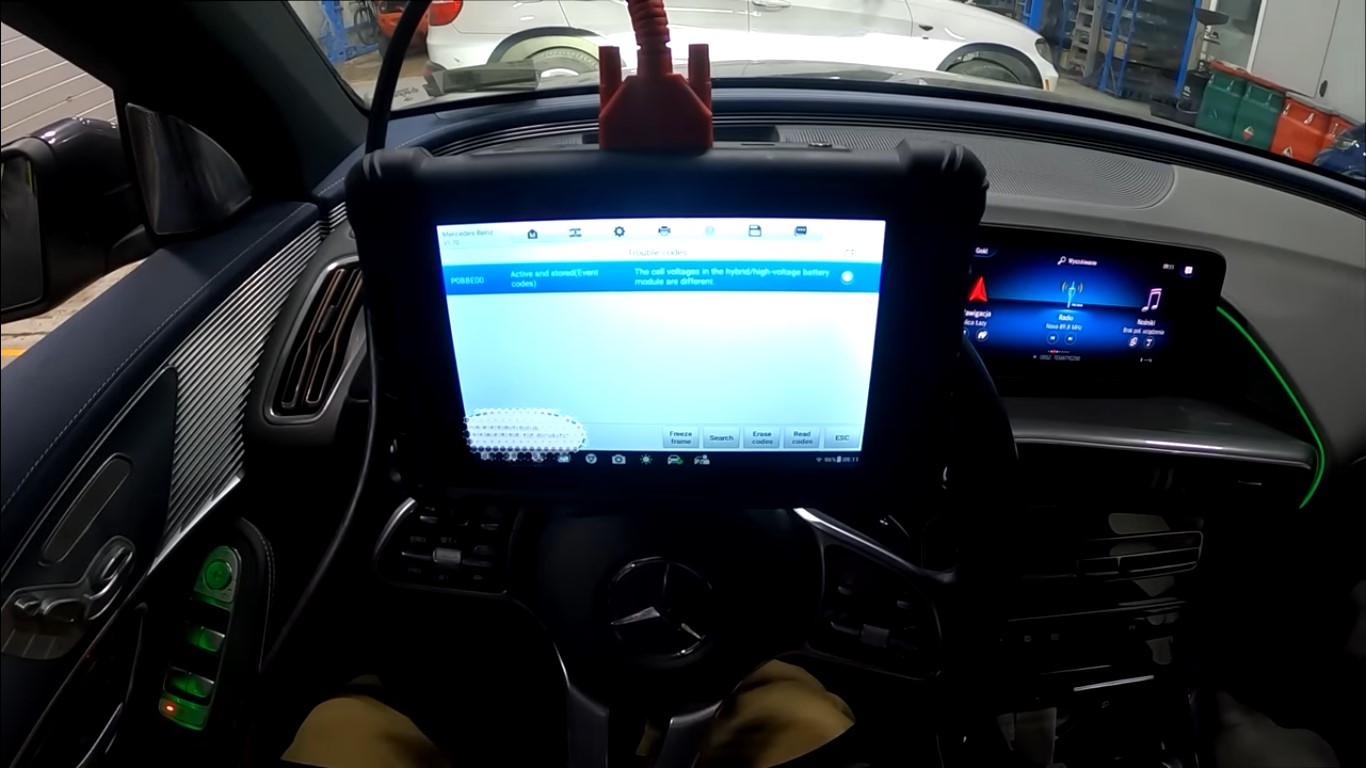
We read the errors with a diagnostic scanner. The main thing the device showed was the difference between the readings of the two batteries. In one half it was 3.73-3.71 V, in the other - 4.15. After deleting the errors, one remained, P0A8000 – «the hybrid or high-voltage battery module must be replaced».
Now the display shows maximum power and a range of 199 km, but when the car is started, the readings drop to 96 km. We will deal with this.
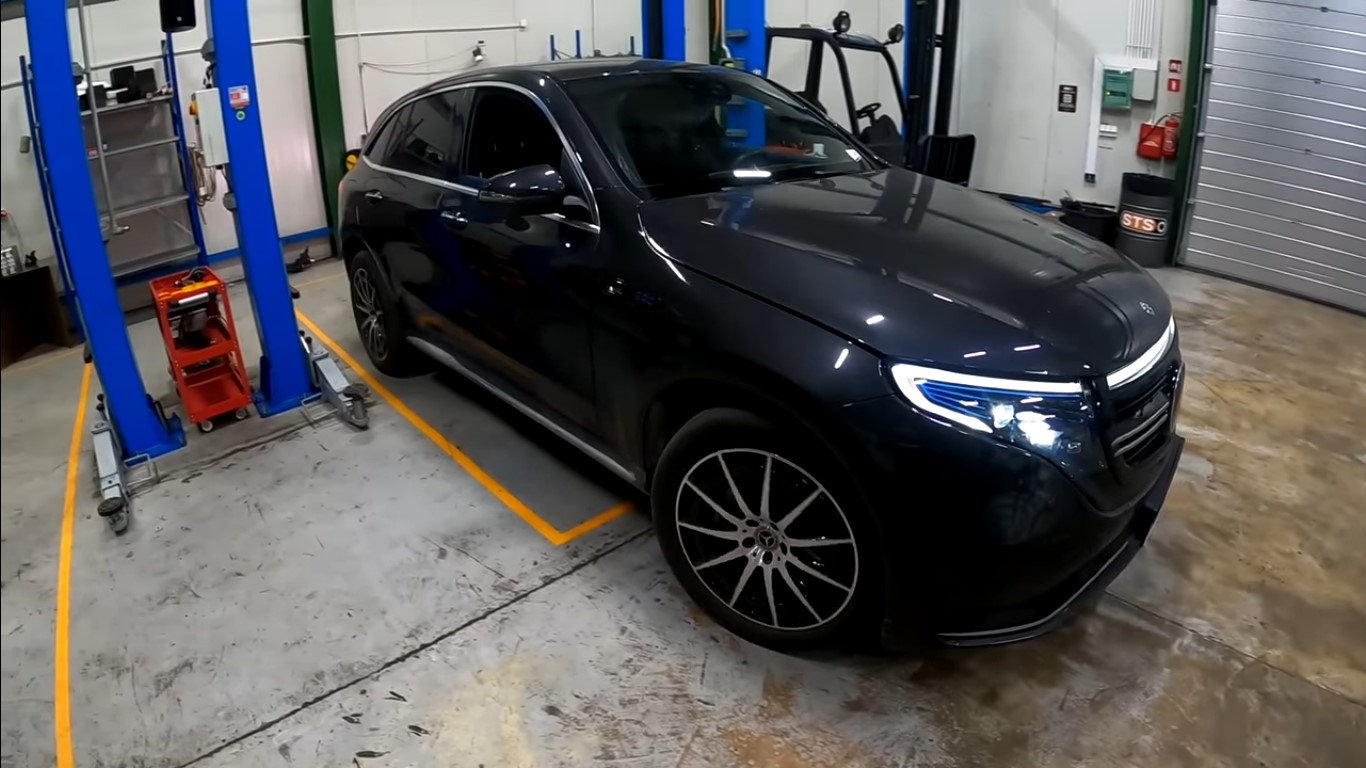
We talked to the customer about removing the battery, lifting the car on a lift. We inspected the battery for damage and found none. The unit has a two-layer case for better protection.
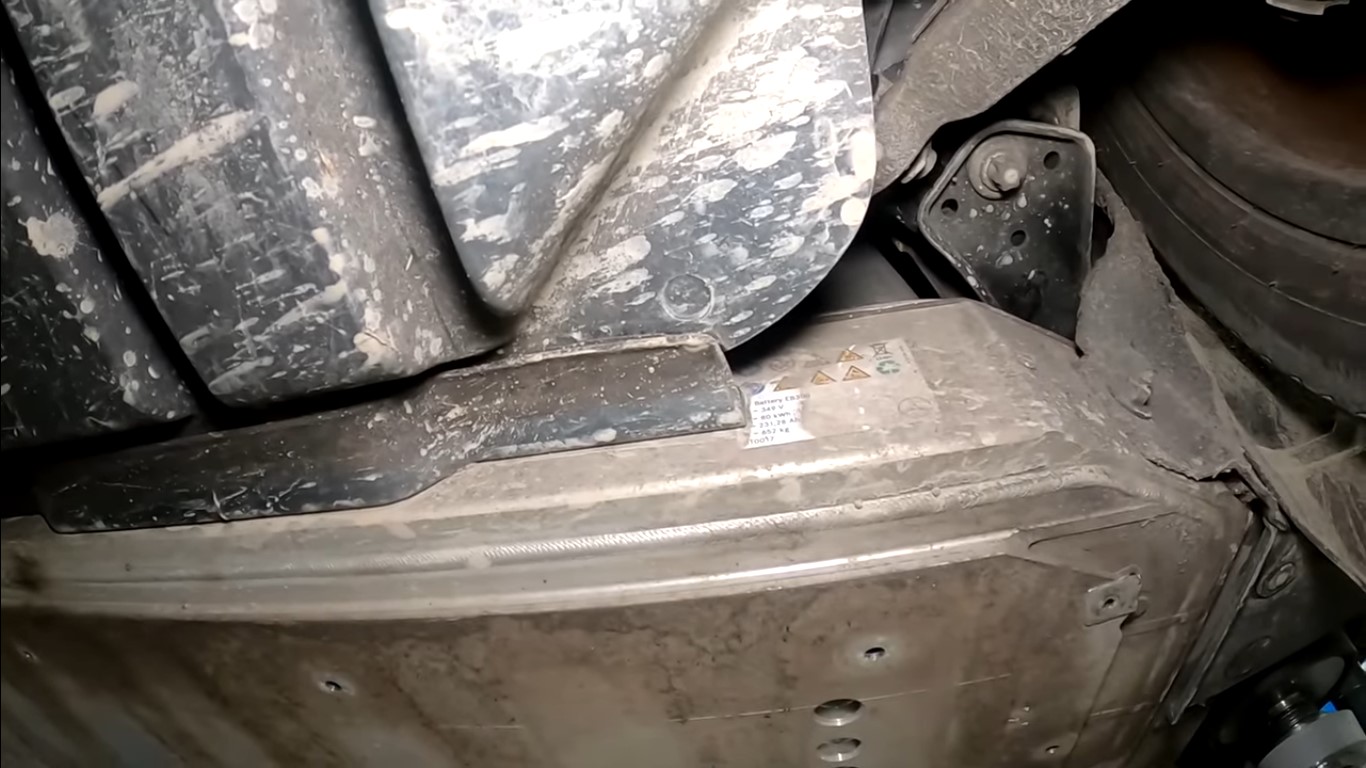
We disconnected all the cables going to the front and rear electric motors. The battery is liquid-cooled, so we also had to deal with this - drain the antifreeze, remove the pipes.
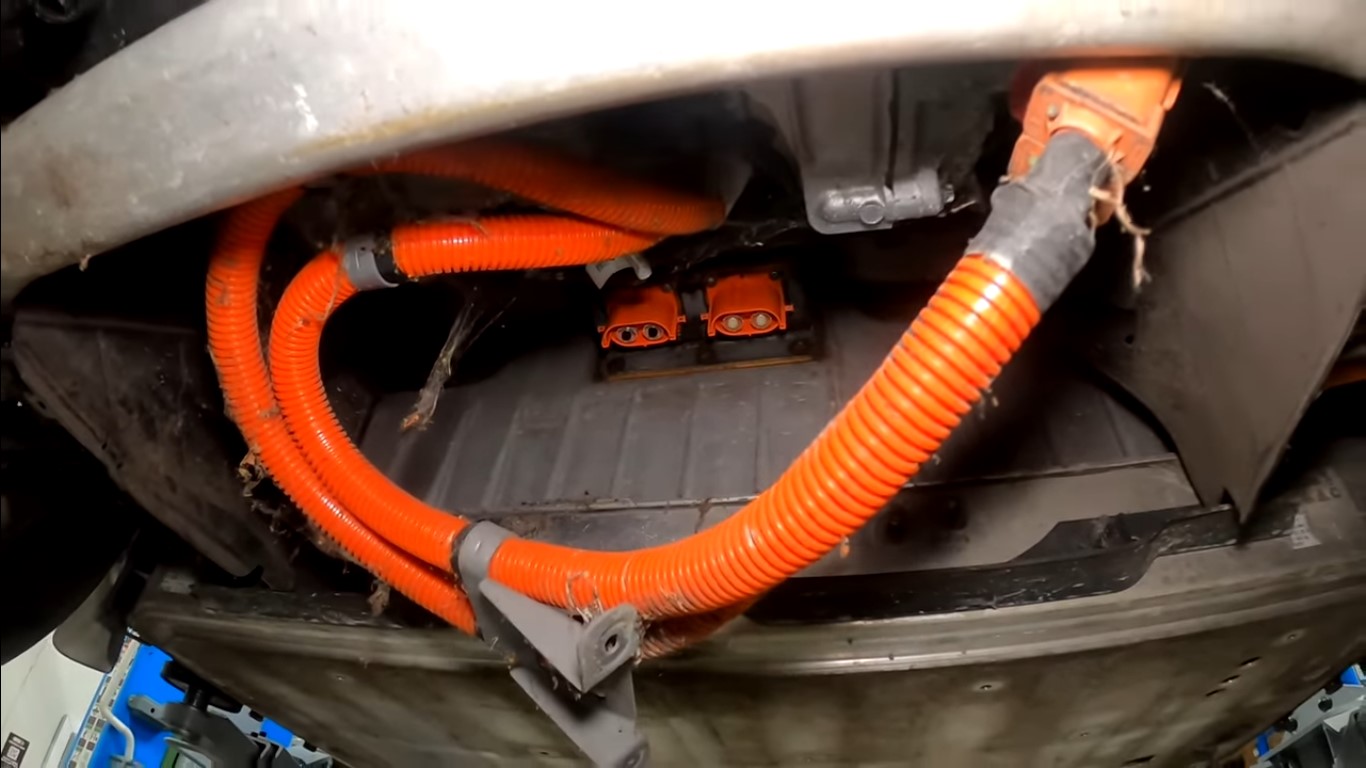
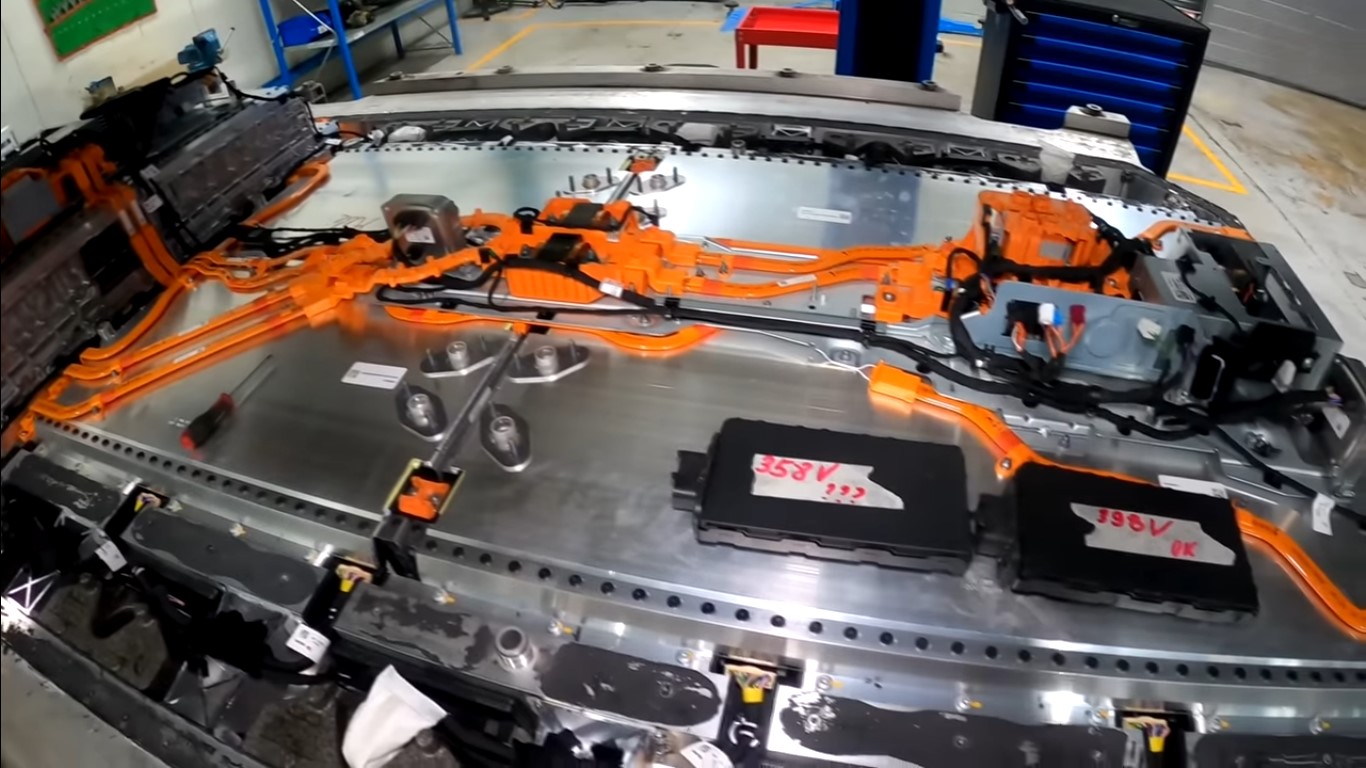
The battery was removed. Judging by the presence of all the factory marks and seals, no one has ever disassembled it. We unscrewed the fasteners, removed the top cover (the three of us had to do this simultaneously).
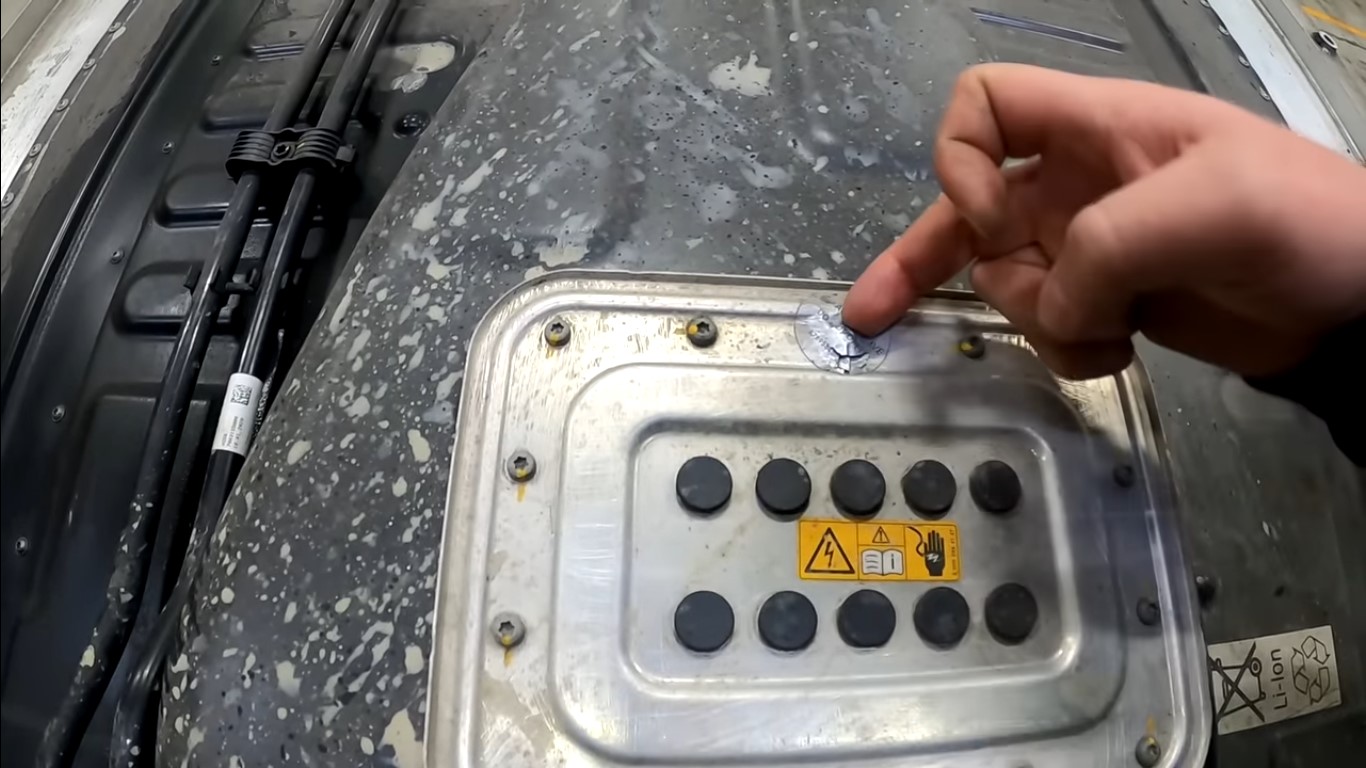
In our opinion, the situation that has arisen is a consequence of a constructive miscalculation by the manufacturer. When one half of the battery is disconnected for some reason, it will no longer be able to reconnect on its own, an error will be recorded, which can only be removed by flashing. In this case, the car can operate on one half - but the parameters will deteriorate significantly and, most importantly, sharply. By and large, this mode is only enough to get to the service on your own.
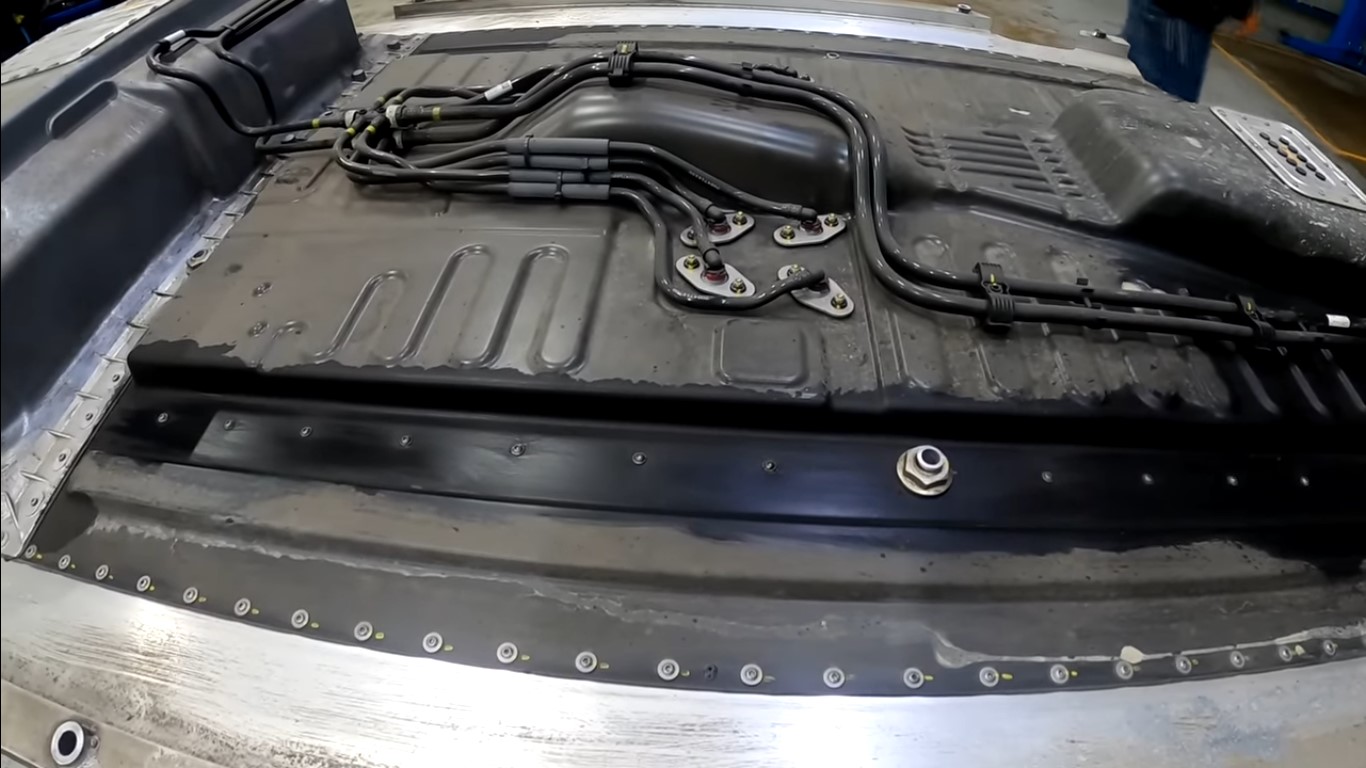
However, official Mercedes services do not have the authority to interfere with the BMS software, their employees are not trained to carry out such work, so the officials do not repair the batteries, but only change them. This means that owners of electric vehicles, which, like our client's car, are not covered by the warranty, need to look for a professional service that has the qualifications, experience and equipment to restore the high-voltage battery.
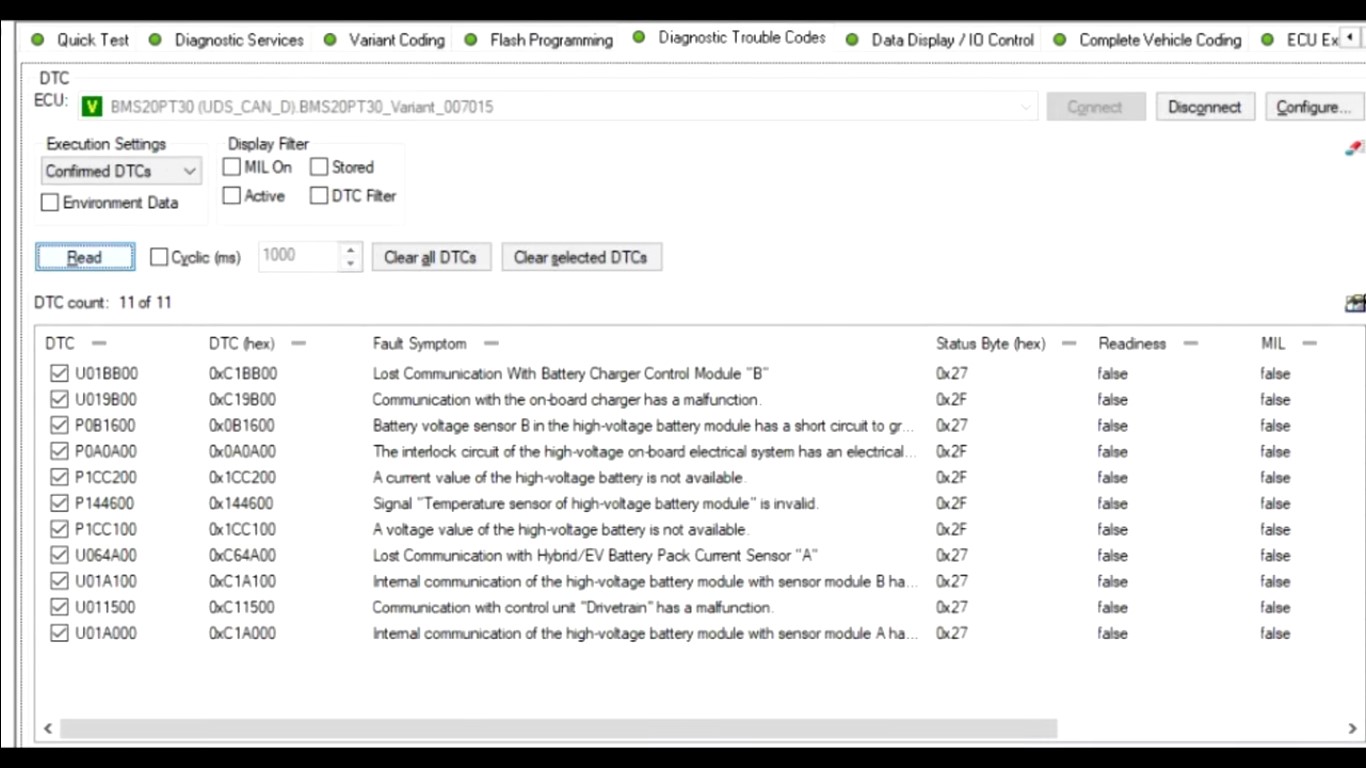
The more so because such procedures have many nuances. For example, when flashing BMS, of which there are two, it is imperative to equalise the voltage. And this cannot be done with one unit, it is necessary to connect two in series.

Now you can assemble the battery and replace the cover. Before that, we put new silica gel sachets inside.
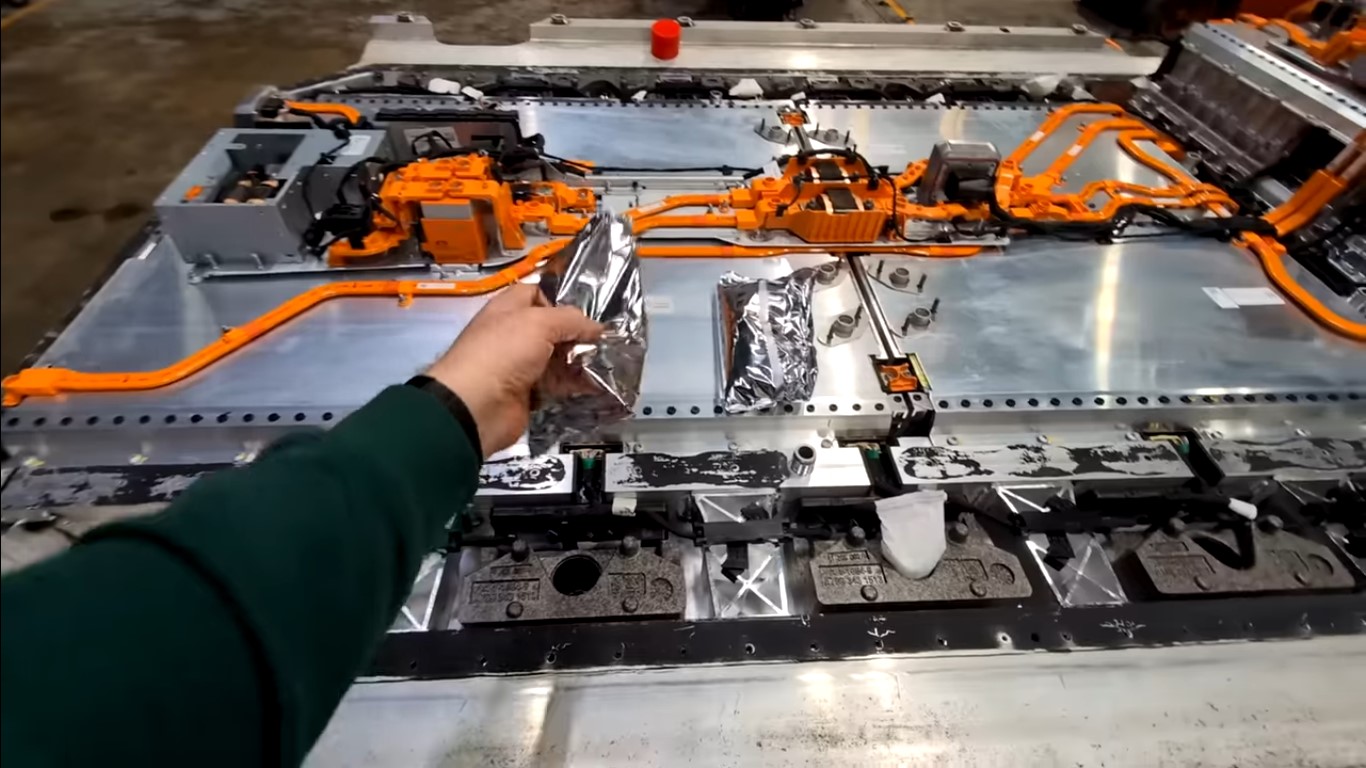
The battery has been installed, we will conduct a test drive and see if the voltage will not drop now. After that, we plan to conduct another diagnostic to check the contactor closure. After that, if everything goes well, the car can be handed over to the owner.
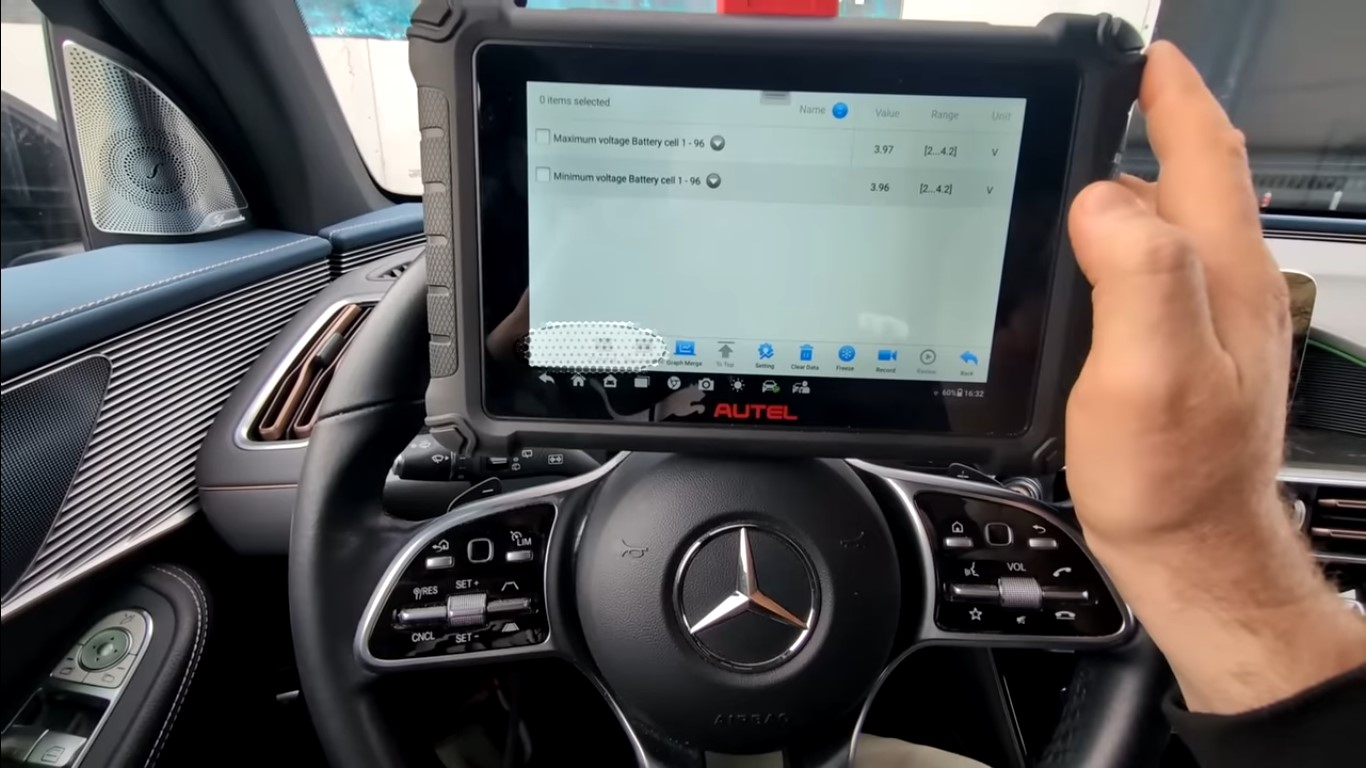
So, the display shows a little more than ¾ battery power and 281 km of range. The scanner says there are no errors in the system. The module status readings for both BMSs are the same: 3,96-3,97 V. Contactor status: all are closed, except for Precharge, which is open. Absolutely everything is normal, the car is in good condition.
Conclusion. Unfortunately, we were not able to understand the reason why one half of the battery was dead. However, we fully restored it, reflashed it and returned the car to serviceability without replacing expensive components. STS Electro specialists are able to solve such problems of electric and hybrid cars that even the official services of the world's leading brands are powerless against.