



Fixing Wheel Friction and Steering Rack Overheating on a 2017 Kia Sportage (QLE)
KIA Sportage
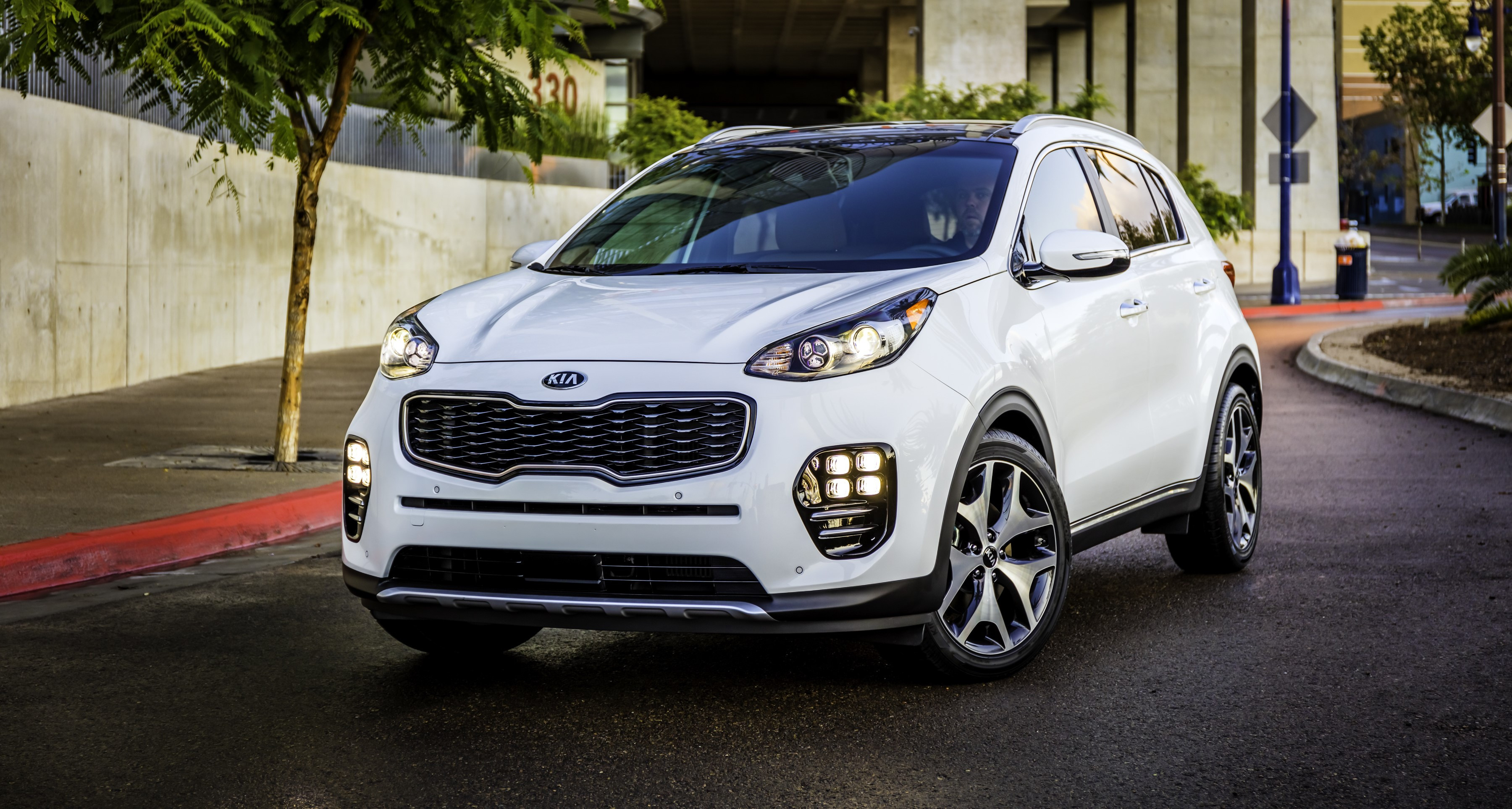
We’ve acquired a popular 2017 Kia Sportage (QLE) crossover with a 1.6 G T-GDI GAMMA turbocharged engine and relatively low mileage—about 100,000 km. The car is in excellent condition; the entire undercarriage is original, with no signs of wear or deformation, which is quite natural given its age and service history.
The fact is that one of the major official Kia/Hyundai dealers in Warsaw purchased this car as a trade-in from one of its regular customers. While preparing the car for sale, the dealer’s technicians noticed an unusual issue: when the steering wheel was turned all the way to the left or right, there was a distinct sound of rubber rubbing against metal.
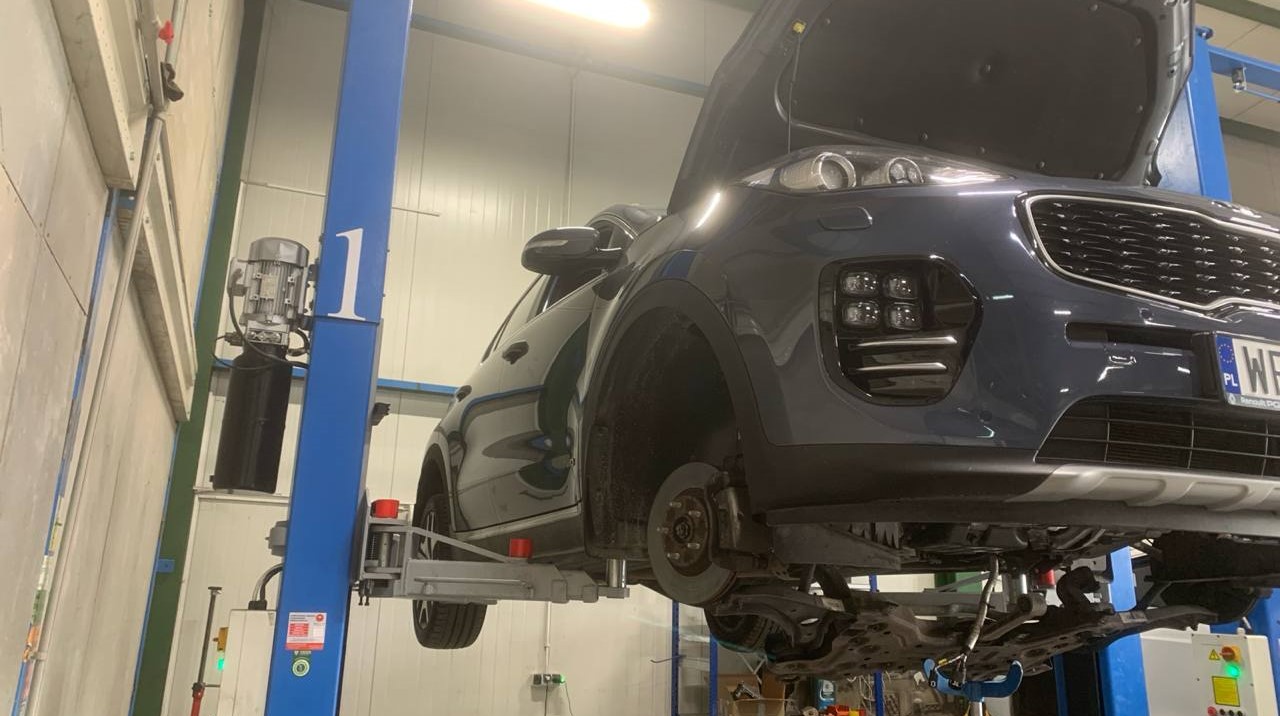
An inspection on the lift confirmed the problem—the inner side of the tires was rubbing against the suspension arms. Moreover, the nature of the friction differed: on one side, the wheel only lightly touched the metal, while on the other, it rubbed against it with significant force.
In addition to the mechanical friction, the OBD diagnostics showed error code C1262 related to the temperature in the steering rack (EPS system). The cause of this was abnormal resistance during the operation of the electric power steering—the control unit and the rack motor were overheating significantly.
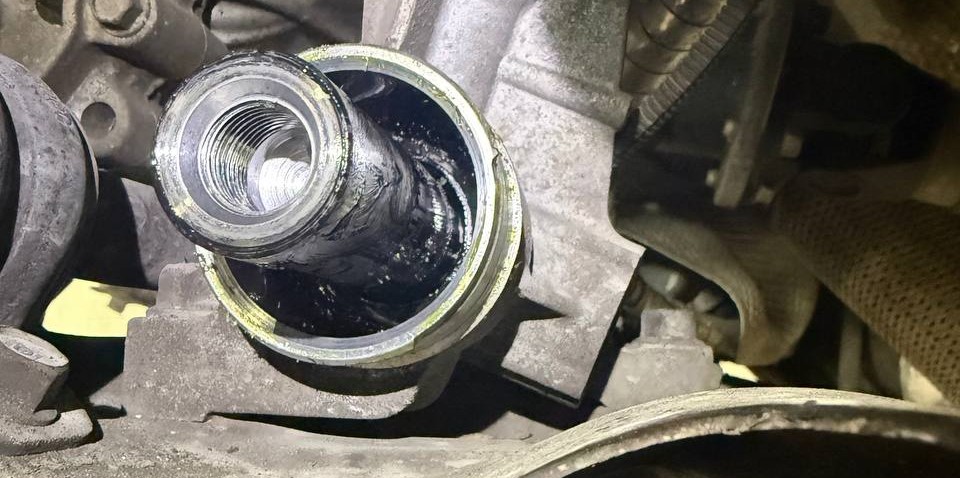
In an attempt to resolve the issue on their own, the dealership technicians suspected that the left and right steering tie rod ends had been accidentally swapped on the car. They replaced them with new ones, but this did not help. After visiting several service centers and finding no solution, the dealer’s representatives turned to Google. STS Warsawa’s high rating (4.8 stars) and our narrow specialization in steering system repairs convinced the official dealers to entrust the solution to this puzzle to our technicians.
The Repair Process at the STS Workshop
When the car arrived at our bay, the first thing that caught our eye was the non-standard R19 wheels. Our initial assumption was quite straightforward: the previous owner had simply installed aftermarket wheels that were too large or too wide, which physically wouldn’t fit inside the wheel wells when the steering wheel was turned all the way.
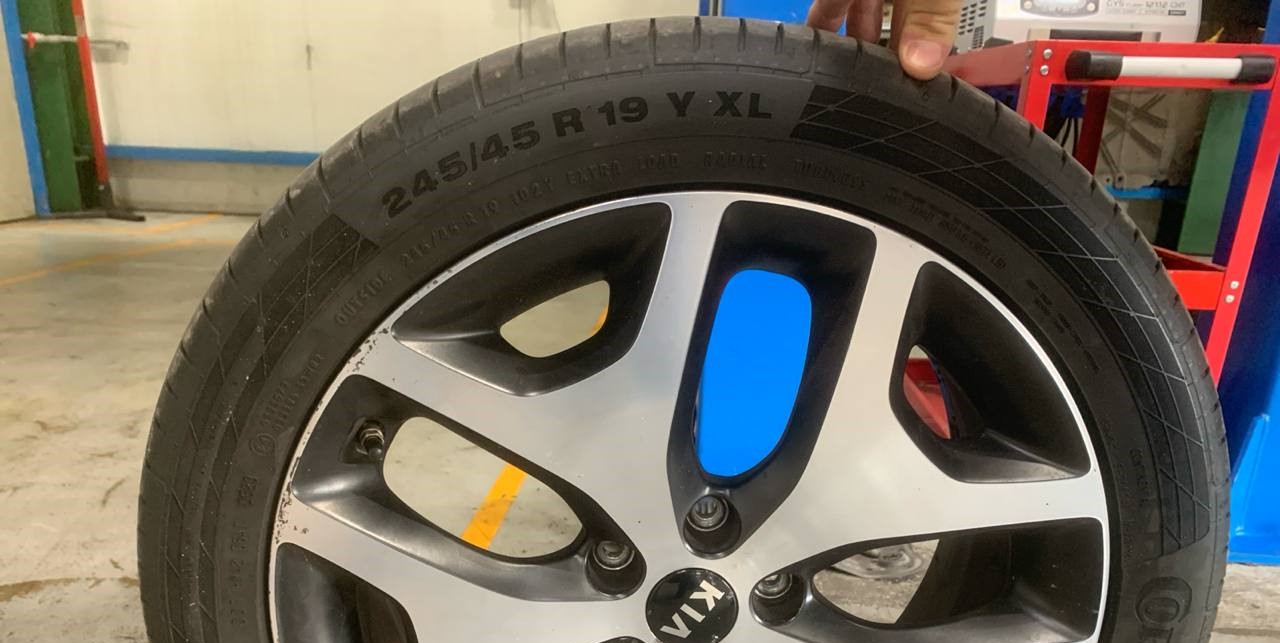
However, during a detailed check of the car’s specifications and VIN, we discovered an interesting detail: this particular vehicle belonged to a limited-edition special series, and the R19 wheels had been factory-installed.
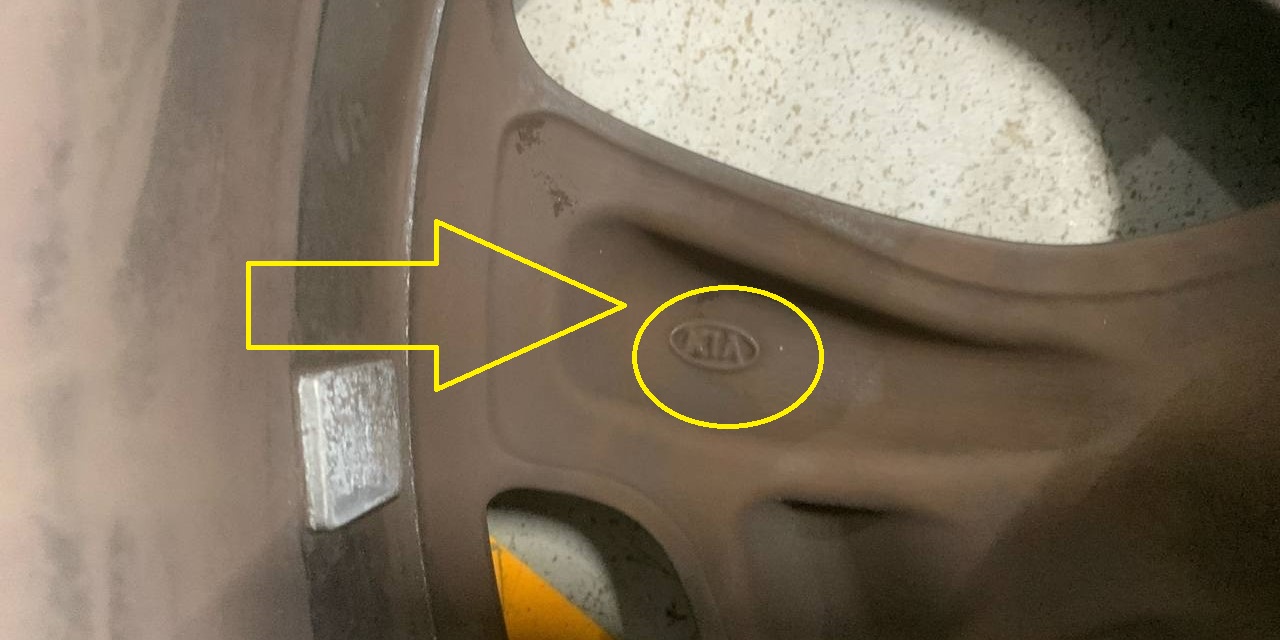
In other words, the car was structurally designed to accommodate this wheel size. This meant that the problem lay exclusively within the steering mechanism.
We removed the original steering rack. The following markings and OEM numbers, which are typically used to identify this component, are stamped on its housing:
- Original part number: 57700-D7101 (the housing also bears the following markings: 183255077AK0295, body serial indices Tle/Qle, and manufacturer abbreviations NMS/KMS).
- Additional factory and serial numbers on the rack assemblies: A0064087A, 183244648C55841, 182284684C11N0E, 183183495E12W6D, A0064088A.
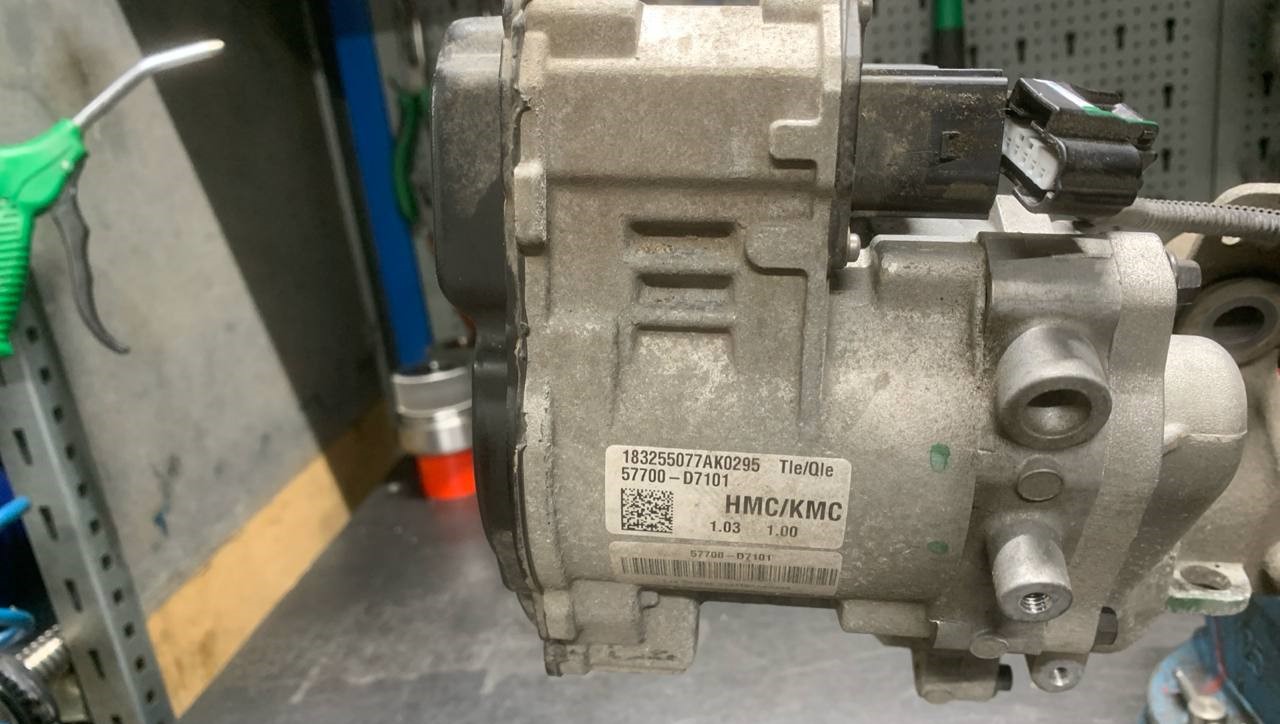
After completely disassembling the rail (internal STS part number for ordering a refurbished assembly: HY408.NLA0.RT, average cost 2,706 zł), the cause became clear.
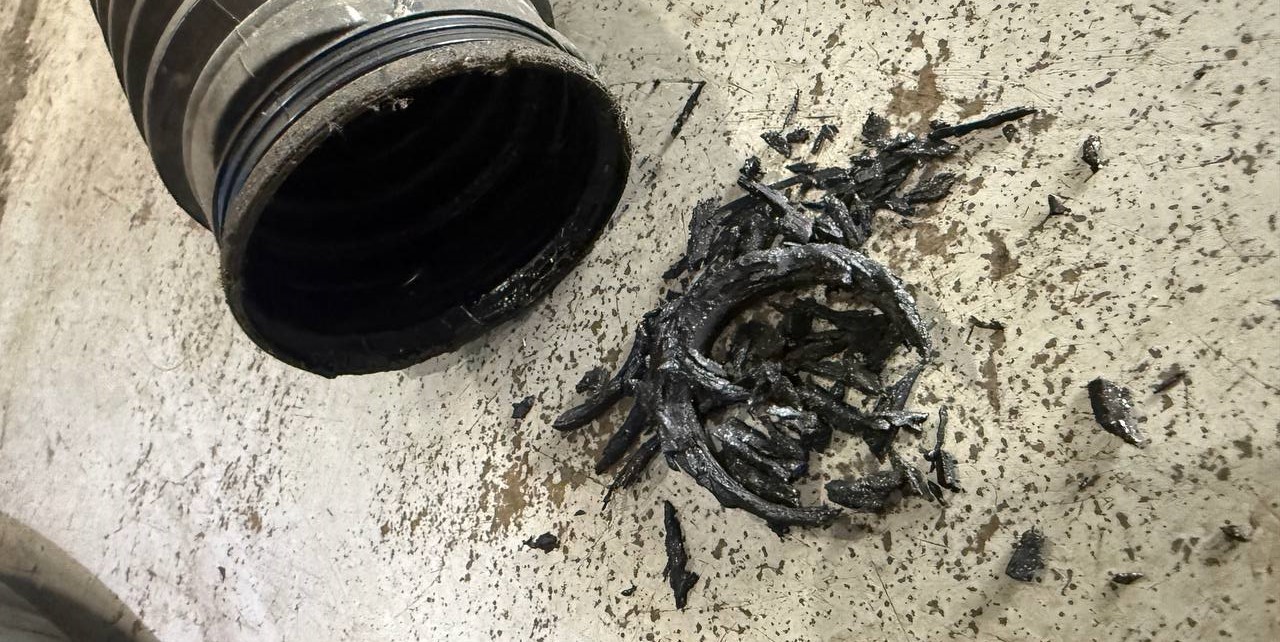
Inside the rail, there are special stop rings—steel inserts with a rubber damping coating. They ensure that the rack shaft stops at a precisely defined end point, preventing the large R19 wheels from rubbing against suspension components.
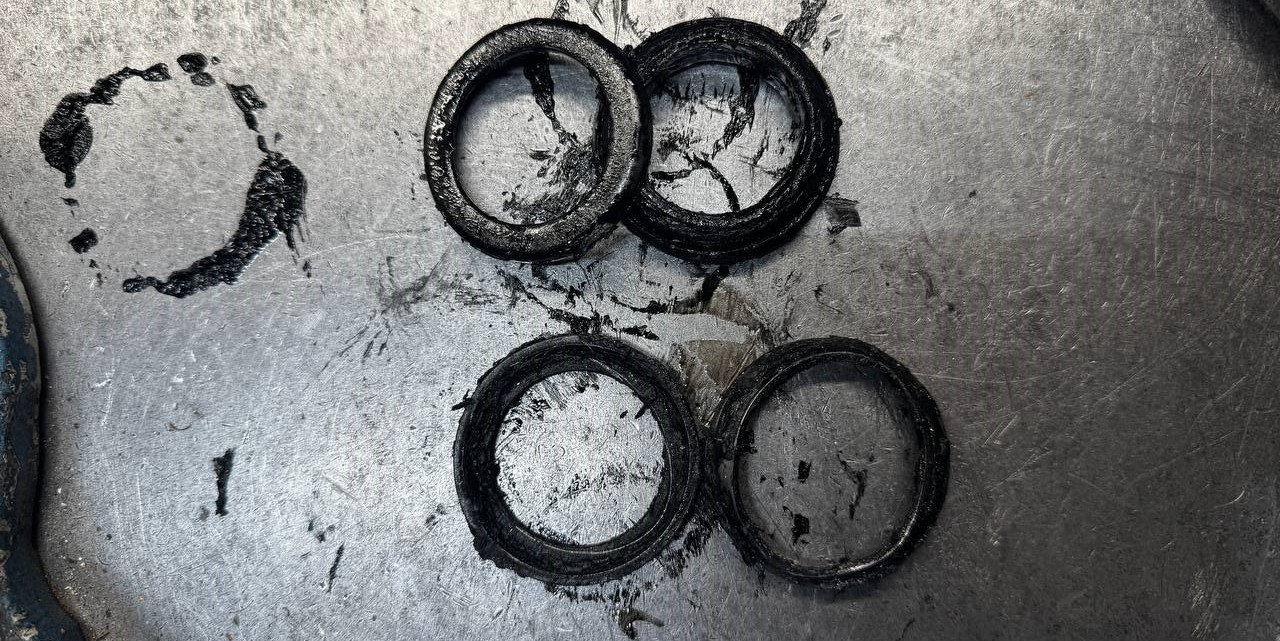
Either because the previous owner likely often turned the steering wheel “all the way” (perhaps during frequent maneuvers in parking lots) or due to a manufacturing defect, the rubber coating on one side of the stopper had completely worn away. The remnants of the worn rubber partially turned into shavings and fell into the dust cover, while the rest was literally sucked into the mechanism. It was this rubber sludge that created mechanical resistance to the rod’s movement, forcing the EPS electric motor to operate under critical load and overheat.
Why is the STS Warsawa the best solution on the market?
The original rubber-metal retaining rings are not supplied by the manufacturer as a separate replacement part. At a traditional service center, the customer would be offered only one option: purchasing a new, expensive 57700-D7101 rack assembly.
But the advantage of STS Warsawa is that we don’t just replace parts according to the catalog; we take a tailored approach to each problem. We have our own technical facilities and high-precision lathes. Our technicians quickly manufactured (machined) precise replicas of the factory limiters from durable, wear-resistant plastic (caprolon).
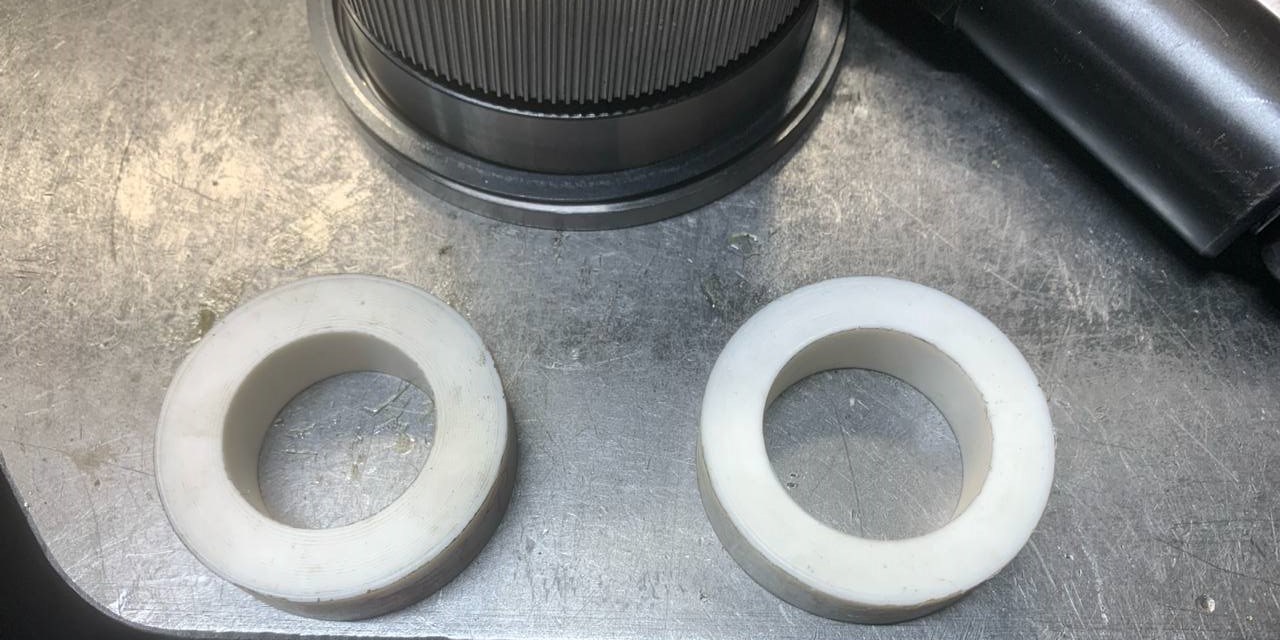
The new parts were installed on the steering rack shaft. The mechanism was thoroughly cleaned of any remaining old, worn rubber, lubricated, reassembled, and tested under load on a specialized test bench.
After installing the rack on the vehicle and performing a computer-based calibration of the steering angle sensors, the problem was completely resolved. The wheels no longer touch the suspension arms in their extreme positions, the resistance is gone, and the EPS system temperature remained within normal limits during testing.
How can you prevent this problem in the future?
To avoid similar issues on vehicles with large-diameter wheels (especially on the Kia Sportage QLE and Hyundai Tucson TL platforms), we recommend following a few simple rules:
- Do not hold the steering wheel in an extreme position with force. When parking and you feel the steering wheel stop, loosen your grip slightly (turn the steering wheel back just 1–2 centimeters). This will relieve the load on both the rubber stops inside the rack and the EPS electric motor.
- Check the condition of the dust covers. Any damage to the protective rubber cover allows moisture and dirt to enter, which accelerates the deterioration of the steering mechanism’s internal components.
- Consult a qualified specialist. At the first signs of trouble (heavy steering, unusual noises when turning, error messages on the instrument panel), have your vehicle diagnosed at a shop that understands the internal architecture of the steering rack, rather than one that simply replaces suspension parts at random.
Looking for a professional solution for your steering system?
If your car is showing the first signs of a steering rack malfunction, don’t wait for serious breakdowns. The STS Warsaw team offers quick diagnostics, professional repair of components, and the fabrication of unique parts not available on the open market.
Visit our service center in Warsaw, and we’ll restore your car’s factory-level handling and safety!