

DPF cleaning: what it is and how it is done
The task of a modern car is not only to carry passengersóc and cargo, but also to be as environmentally friendly as possible. Designers have invented many devices thatófirst and foremost clean the exhaust gases - the main sourceóof pollution in vehicles with internal combustion engines. However, perfectly developed in theory, in practice these devices often complicate driversós lives. They have to wonder, for example, how to repair vortex flaps or how to clean the particulate filter.
What is a DPF and what is it used for
According to its English name, the – Diesel Particulate Filter – particulate filter is designed for use in diesel engines. Indeed, it is mainly installed there, because in petrol engines the problem of soot deposits is not relevant due to the difference in combustion processes: in them the mixture is ignited by spark, so the temperature in the working chambers is higher. In diesel engines, on the other hand, the fuel explodes by compression, at much lower temperatures.
Petroleum products, both petrol and diesel, consist of carbon and hydrogen. Under normal conditions, both substances burn completely, and as the temperature drops, – mainlyóthe more active hydrogenór. The carbon atoms remain and combine with each other to form the simplest type of crystal - soot. Despite the fact that even in the exhaust from diesel engines it usually does not exceed 1%, soot not only turns the gasós colour black, but it is also a dangerous carcinogen, causing serious diseases up to cancer.
This is why, with the introduction of the Euro-5 standards in 2011, all types of diesel vehiclesór must be fitted with a particulate filter. Although this device is visually similar to a catalytic converter and sometimes partially fulfils its functions, there is a significant difference between the two. The catalytic converter, whichóry mainly used in petrol engines, cleans the gases «in real time» while the particulate filter collects harmful substances inside a ceramic honeycomb and then burns them off when convenient. To this end, a special procedure for cleaning the particulate filter is built into the software of carsóequipped with a DPF. It is controlled by the ECU.
The particulate filter is built into the exhaust system of carsów. There are two main types of design:
- Filter just downstream of the engine («dry type»).
- Filter in the middle of the exhaust duct («wet type")
In the first system, soot and other deposits are destroyed by increasing the temperature of the exhaust gas. The caród must be run at a constant high engine speed, otherwise the computer will increase the fuel supply. In the second, a special catalytic fluid is injected inside the filter to accelerate combustion. The first filters are usually called DPFs because they are used in German and Japanese cars, and the second – FAP (Filtre a Particules) because they are more commonly placed in French engines.
Why the DPF gets clogged
Regular regenerations allow the DPF to be kept in good condition for a long time, even up to 150-180,000 kilometresóodometer. For this, however, ideal conditions are needed, whichóre hardly achievable in urban car operation. The ECU will not activate DPF cleaning in the following cases:
- low fuel level;
- low gas temperature;
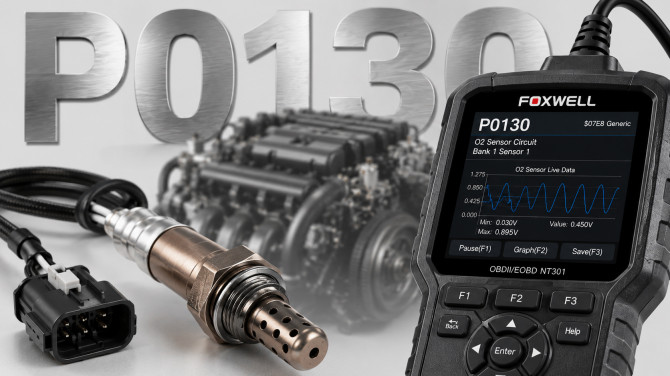
- sensor malfunction;
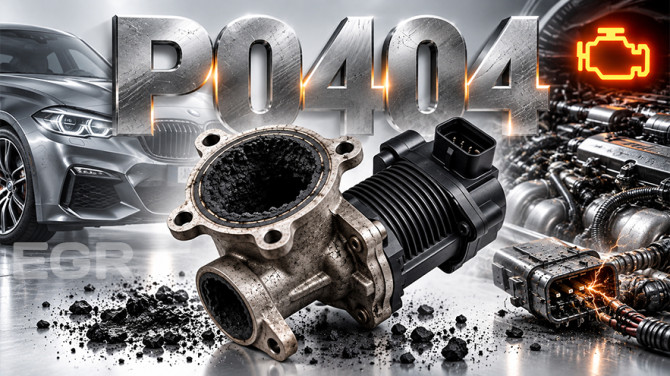
- clogging of the EGR valve;
Even when a standard DPF regeneration is successfully completed, it still clogs up over time, but no longer with soot, which can be burned off, but with ash - the end product of combustion. The design of the filter is to blame: its honeycombs are like dead ends to better capture the pollutants. This begs the question: how to clean the particulate filter?
Other factors thatóre accelerating the clogging of the particulate filter:
- frequent engine idling
- use of engine piston groupó
- use of low-quality or high ash-content engine oil.
- driving on an unheated engine.
- excessive acceleration.
These causes, over time, lead to a reduction in DPF performance and clogging.
What to do if the particulate filter is clogged
If the DPF is clogged and standard regeneration does not help or does not start, operating the car is impossible. There are three options to solve the problem in this case:
- Replace the filter.
- Remove.
- Clean the particulate filter.
Mounting a new unit will of course restore the car's efficiency, but it is a very expensive wayób. The cost of an original filter is several thousand zloty, and non-original ones do not always have the required characteristics, which is fraught with the unpredictable consequences of standard regeneration up to burnout.
Dangers of DPF removal
The logic of thoseóers who want to remove a clogged DPF is easy to understand: no node – no problemsów. But in reality the disadvantages of this method are very serious:
- Violation of the law. There are serious penalties for removing the DPF, in someócountries of the EU these involve stopping the car and the obligation to repair the changes (returning the filter).
- Reduction of the environmental class. The car's performance will have to be downgraded to Euro-2, it will no longer fit modern emission standards. Fuel consumption may increase.
- Incompatibility with other units when re-flashing the ECU. EGR valve or catalytic converter may need to be removed.
- Exhaust colour and smell. Black smoke will appear when accelerating and climbing hills
- Turbine. Reduced exhaust gas opór will cause changes in the performance of the turbine. It may fail prematurely.
Can you clean the DPF yourself?
There is a lot of advice on the Internet about cleaning the diesel particulate filter using improvised methods. It is suggested to use chimneyós cleaners (because there is soot there too), drain cleaning fluids or high-pressure cleaners. You should not do this. In «the best» case, the filter will not be washed qualitatively because it has a complex chamberóstructure with long channels thatóre alternately blocked from different ends. In the worst – failure to wash it will permanently block it or damage the ceramic honeycomb and the filter will have to be replaced.
The only conditionally acceptable wayób – washing the particulate filter with chemicals. This is often possible even without removing the filter: the fluid is poured into the sensor hole and the waste escapes through the exhaust pipe. The chemical method is quite effective, but dangerous: the strong chemistry can cause poisoning.
DPF cleaning at the STS service centre
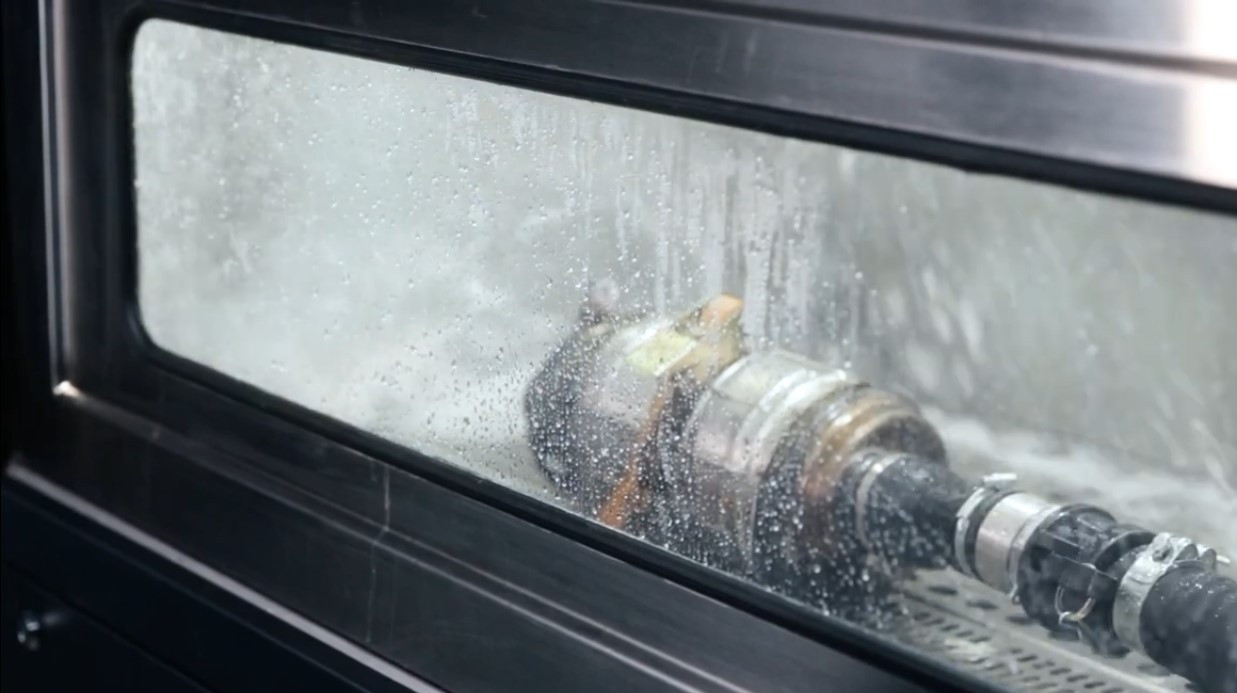
In our company, we use a special station of our own design to clean the diesel particulate filter. Its advantages:
- Environmentally friendly. Cleaning is carried out using only pulsesóof compressed air and water, which circulate in a closed circuit.
- Speed. A full cleaning cycle takes no longer than 2-3 hours.
- Information. The bench is equipped with sensors that analyse the state of the DPF before and after the treatment.
- Full cycle. The stand not only washes, but also tests and dries the DPF.
Our stand is able to fully renew all types of particulate filters– DPF, FAP, GPF, as well as catalytic converters. All vehicle parameters are restored to factory levels, while maintaining emission standards and compliance with modern regulations.
Cost of DPF flushing
Particulate filter (DPF) cleaning prices at STS start from £350. The final cost of the service depends on the car and filter model (passenger/car) and the degree of clogging. In any case, however, cleaning the diesel particulate filter will be significantly cheaper than buying a new unit, and the quality will be much higher than using chemicals.